
Blog

7 Best AD/CVD Duty Compliance Clearance Tips for Buyers
AD/CVD duties can turn a promising purchase into an unexpected cost. A shipment may look routine: cartons labeled with a familiar product name, an invoice showing a competitive price, and a supplier promising quick delivery. Yet the product’s composition, country of origin, or production details may affect whether an existing order applies. Small documentation gaps can matter.
This risk is not merely theoretical. The U.S. Government Accountability Office’s 2021 report, GAO-21-190, examined U.S. Customs and Border Protection’s processes for identifying and addressing evasion of antidumping and countervailing duty orders. Its findings underline why buyers should not rely on product descriptions or supplier assurances alone. Official resources, including the U.S. Department of Commerce’s AD/CVD case information and USITC import data, can help buyers investigate orders, scope language, and trade patterns. But data has limits. A database search is not a customs ruling.
Effective AD/CVD Duty Compliance Clearance starts before the purchase order is signed. Buyers need to verify product specifications, manufacturing details, applicable case numbers, and required entry documents with qualified trade professionals. Keep the records. Check the details. A neat invoice cannot answer every origin question. This guide presents seven practical clearance tips for reducing avoidable delays and duty surprises. Some checks take time, and no checklist is perfect; that is precisely why careful review matters.
Read more »
 By:Evelyn
- October 30, 2026

7 Marine Cargo Insurance Coverage Tips for Global Buyers?
International purchasing rarely ends when a supplier seals a carton. A container may cross several ports, change vessels, and wait under harsh weather before reaching its destination. During that journey, Marine Cargo Insurance Coverage can protect buyers from selected physical losses and transport-related risks. Yet many buyers treat insurance as a routine checkbox. That assumption can become expensive.
Coverage depends on the policy wording, declared cargo value, transport route, packing quality, and applicable exclusions. A wet pallet of electronic components may look minor at departure but create serious losses after condensation, delay, or mishandling. Experienced buyers examine more than the premium. They review insured risks, deductibles, claim procedures, documentation requirements, and the responsibilities of carriers and logistics providers. Small details matter.
Read the clauses carefully.
Reliable planning begins before shipment. Buyers should compare reputable insurers, confirm whether coverage applies from warehouse to final destination, and check how partial damage is assessed. Institute Cargo Clauses can provide useful reference points, but policy terms still require careful review. Local insurance practice and commercial contracts may also affect the buyer’s responsibilities.
No policy removes every risk. That is worth remembering. Weak packaging, inaccurate invoices, unclear product descriptions, or late reporting can complicate a valid claim. The following seven coverage tips help global buyers ask better questions, document decisions, and avoid relying on assumptions when valuable cargo is moving across borders.
Read more »
By:Evelyn
- October 25, 2026

China Best Bonded Warehousing and Fulfillment Services?
Choosing China’s best Bonded Warehousing and Fulfillment partner requires more than comparing storage prices. It requires evidence, operational discipline, and clear customs procedures.
In practice, strong providers connect bonded storage with inventory control, order processing, labeling, packing, and compliant export documentation. Their facilities should show clean aisles, barcode scanning, secure access, and visible stock locations. A reliable warehouse can explain each handoff, from container arrival to final dispatch.
Martin Christopher, a respected supply chain scholar, describes this wider responsibility clearly: “The supply chain is the network of organizations that are involved, through upstream and downstream linkages, in the different processes and activities that produce value.”
That perspective matters in China. Bonded Warehousing and Fulfillment is not simply a cheaper storage option. It is a coordinated service network. Warehouse quality, customs experience, technology, and communication all affect delivery performance.
The strongest providers usually offer real-time inventory visibility. They also provide cycle-count records, exception alerts, and practical customer support. Ask for measurable service standards. Ask how damaged cartons, stock discrepancies, and delayed documents are handled.
Details matter.
Still, no provider is perfect. A large facility may lack flexibility, while a smaller operator may offer better attention but limited capacity. Published claims can also sound impressive without independent verification. This article compares leading China-based options through service scope, warehouse capability, fulfillment accuracy, compliance practices, technology, and customer experience.
The goal is not to name one universal winner. The better goal is finding the right operational fit for your products, shipping volume, sales channels, and long-term supply chain plans.
Read more »
 By:Nathan
- October 15, 2026

Top 10 Port Container Drayage Trucking Tips for Buyers?
Buying Port Container Drayage Trucking services is not simply a rate comparison. It is an operational risk decision. Every move depends on appointment availability, chassis access, terminal knowledge, driver reliability, and accurate paperwork. A missed window can leave a container waiting, while storage and detention costs continue growing.
Industry data confirms the pressure. The 2024 CSCMP State of Logistics Report recorded U.S. business logistics costs at approximately $2.58 trillion in 2023. The Port of Los Angeles also handled more than 10.3 million TEUs in 2024, showing the scale behind modern container flows. These figures do not guarantee efficient delivery. They reveal why buyers need stronger carrier evaluation methods.
Port of Los Angeles Executive Director Gene Seroka has described logistics clearly: “The supply chain is a team sport.” That principle matters during carrier selection. A capable provider should communicate with terminals, warehouses, brokers, and shippers before problems become expensive. It should also provide practical evidence, not polished promises.
This guide presents ten Port Container Drayage Trucking tips for buyers. It examines insurance, equipment, service coverage, technology, driver capacity, pricing structure, and performance records. Some recommendations may seem obvious. They are still frequently missed. A low quote can hide limited chassis access or weak after-hours support. I have also found that “real-time visibility” often means delayed updates. Buyers should question the details.
The best decision may not be the cheapest one. It is the provider that delivers predictable container turns, transparent communication, and measurable accountability. That sounds simple. In practice, it requires careful questions, documented standards, and a willingness to challenge convenient assumptions.
Read more »
By:Evelyn
- October 10, 2026
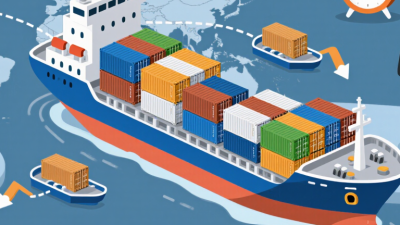
How to Choose Importer Security Filing ISF Services?
Choosing the right Importer Security Filing (ISF) Services provider can protect shipment timing, data quality, and operational confidence. The choice becomes practical when viewed through daily import details. Booking numbers arrive late. Supplier data changes. A single incorrect bill-of-lading detail can create expensive delays.
Michael Laden, a respected customs compliance professional, has said, “The ISF is a supply-chain security program, not merely a paperwork exercise.” His observation matters because reliable service involves more than submitting a form. A capable provider should understand ocean freight workflows, customs data requirements, filing deadlines, and communication between importers, brokers, carriers, and overseas suppliers.
Look for proven experience with comparable cargo and trade lanes. Ask how the provider validates manufacturer, seller, buyer, and container information. Request clear examples of exception handling. A good team should explain what happens when supplier data remains incomplete at the filing deadline. It should also provide accessible records, status updates, and escalation contacts.
Technology helps, but it is not the entire answer. Systems should connect with shipping platforms and reduce manual rekeying. Human review still matters. No provider is flawless. That deserves honest consideration. The importer remains responsible for supplying accurate information, even when a specialist manages the filing process.
Pricing should be transparent, with separate charges explained before onboarding. References, response times, security controls, and correction procedures deserve equal attention. The strongest Importer Security Filing (ISF) Services partner combines compliance knowledge with practical judgment. Choose the provider that can demonstrate dependable work under pressure, not merely promise fast submissions.
Read more »
 By:Amelia
- October 5, 2026
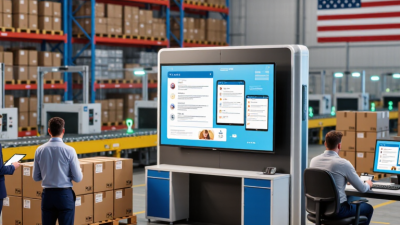
What Is the Best US Customs Clearance Brokerage in 2026?
Choosing the best US Customs Clearance Brokerage in 2026 requires more than comparing service fees. Importers need a partner who understands classification, valuation, documentation, and shipment timing. A reliable broker should explain each requirement clearly, not hide behind complex terminology. Real experience matters when a shipment arrives with an incomplete invoice, an unclear product description, or a last-minute delivery change.
The strongest brokers combine trained customs specialists with practical technology. Their systems should provide document checks, entry-status updates, and clear records for every shipment. They should also communicate quickly when information needs correction. That small detail can prevent costly storage delays at a busy port. References from comparable businesses can reveal more than polished marketing claims. Look for evidence from companies handling similar products, shipment volumes, and transportation routes.
There is no universal winner. A small importer may value personal support, while a large distributor may need integrations and regional coverage. The “best” choice depends on risk, volume, product complexity, and internal resources. Even experienced teams can overlook a detail. That deserves attention. This guide compares leading options through service quality, compliance knowledge, technology, communication, pricing transparency, and customer reliability. It also considers how brokers support long-term import processes, not merely one successful entry. In 2026, the right US Customs Clearance Brokerage should act as a dependable operational partner, while leaving the importer informed and accountable for its own decisions.
Read more »
By:Evelyn
- September 30, 2026

2026 Top Time Critical Air Cargo Logistics Services
Time-Critical Air Cargo Logistics is becoming essential for industries where minutes affect production, patient care, and customer confidence. Aircraft-on-ground parts, temperature-sensitive medicines, semiconductor components, and urgent industrial samples require more than fast transportation. They need accurate booking, secure handling, clear documentation, and continuous milestone visibility.
The International Air Transport Association reported that global air cargo demand increased 11.3% in 2024, measured in cargo tonne-kilometres. Capacity also grew, but unevenly across trade lanes. IATA’s market analysis shows why reliable planning matters when demand, aircraft availability, and airport congestion change quickly. Boeing’s 2024 Commercial Market Outlook expects global air cargo traffic to roughly double by 2043. That long-term trend supports stronger investment in specialist logistics networks.
Speed alone is not enough.
A professional Time-Critical Air Cargo Logistics provider should coordinate pickup windows, export procedures, airline cut-offs, ULD availability, temperature controls, and final-mile delivery. For example, a pharmaceutical shipment may need validated packaging, a calibrated data logger, and handover records at every stage. An aircraft part may require a dedicated vehicle and immediate customs coordination, subject to applicable laws and carrier rules.
This 2026 guide examines leading service capabilities, response coverage, technology, and operational reliability. It also considers measurable factors, including transit performance, exception handling, shipment visibility, and proof of delivery. Industry forecasts are useful, but they are not guarantees. Weather, labor disruption, capacity shortages, and incomplete shipment data can still undermine a perfect plan. That uncomfortable reality deserves attention. Reliable providers prepare alternatives before the first flight departs.
Read more »
By:Amelia
- September 23, 2026

7 Tips for Ocean LCL Freight Consolidation Services
Ocean LCL Freight Consolidation Services can reduce costs when several smaller shipments share one container. Yet savings depend on disciplined planning, not volume alone. A poorly packed carton can delay an entire shipment.
John J. Coyle, a respected transportation and logistics scholar, observed, “Transportation is the physical link connecting geographically separated activities.” His point remains practical today. Every handoff matters, from warehouse receiving to destination deconsolidation.
This guide presents seven useful tips for managing Ocean LCL Freight Consolidation Services with greater control. It examines cargo measurements, packaging strength, carrier schedules, cutoff times, documentation, shipment tracking, and destination coordination. Small details matter. A two-centimeter measurement error can affect freight charges. A missing commercial document can interrupt customs processing. A late warehouse delivery can miss the planned sailing.
Reliable consolidation begins with accurate information. Confirm carton dimensions, gross weight, cargo readiness, and delivery requirements before requesting a quotation. Compare transit time, routing, free time, and handling conditions. The lowest rate may hide extra origin or destination charges.
Communication also deserves attention. Share booking details with suppliers, warehouses, brokers, and consignees. Confirm who checks cargo condition at each stage. Photographs can help record pallet wrapping, carton labels, and visible damage.
Not every consolidation plan works perfectly. Seasonal congestion, port changes, and inaccurate forecasts can disrupt even careful arrangements. That weakness should be acknowledged, not disguised. Build reasonable time buffers, review previous shipments, and adjust procedures after each delivery. The goal is not merely cheaper freight. It is predictable movement, clearer responsibility, and fewer unpleasant surprises.
Read more »
By:Evelyn
- September 23, 2026

What Is Ocean FCL Container Freight Forwarding?
Ocean FCL Container Freight Forwarding refers to moving cargo by sea in a dedicated full container load. One shipper usually uses the container’s available capacity. This differs from LCL shipping, where several consignments share one container. A typical FCL shipment may involve a 20-foot or 40-foot container, factory loading, port delivery, customs documentation, and final release at destination.
The process appears straightforward. It is not always simple. A freight forwarder coordinates space with the carrier, checks cargo details, confirms the shipping schedule, and monitors key milestones. Accurate information matters, including cargo weight, dimensions, packaging, loading location, and delivery terms. A misplaced seal number or missed warehouse cutoff can delay the entire movement. Experienced teams also review container suitability, verified weight requirements, port procedures, and document consistency before departure.
Reliability depends on more than a low freight quotation. It requires clear communication, realistic transit planning, and careful exception handling. Port congestion, weather, equipment shortages, and schedule changes can affect delivery timing. Good forwarders explain these risks without creating unnecessary alarm. They also maintain records, provide shipment updates, and work with licensed partners throughout the transport chain. No shipment is perfectly predictable. However, disciplined preparation can reduce avoidable problems and improve visibility. This guide explains how Ocean FCL Container Freight Forwarding works, what each stage involves, and which practical details deserve closer attention. Some assumptions may need revisiting, especially when routes, cargo characteristics, or carrier policies change.
Read more »
By:Evelyn
- September 23, 2026