
0%

Ocean FCL Container Freight Forwarding refers to moving cargo by sea in a dedicated full container load. One shipper usually uses the container’s available capacity. This differs from LCL shipping, where several consignments share one container. A typical FCL shipment may involve a 20-foot or 40-foot container, factory loading, port delivery, customs documentation, and final release at destination.

The process appears straightforward. It is not always simple. A freight forwarder coordinates space with the carrier, checks cargo details, confirms the shipping schedule, and monitors key milestones. Accurate information matters, including cargo weight, dimensions, packaging, loading location, and delivery terms. A misplaced seal number or missed warehouse cutoff can delay the entire movement. Experienced teams also review container suitability, verified weight requirements, port procedures, and document consistency before departure.

Reliability depends on more than a low freight quotation. It requires clear communication, realistic transit planning, and careful exception handling. Port congestion, weather, equipment shortages, and schedule changes can affect delivery timing. Good forwarders explain these risks without creating unnecessary alarm. They also maintain records, provide shipment updates, and work with licensed partners throughout the transport chain. No shipment is perfectly predictable. However, disciplined preparation can reduce avoidable problems and improve visibility. This guide explains how Ocean FCL Container Freight Forwarding works, what each stage involves, and which practical details deserve closer attention. Some assumptions may need revisiting, especially when routes, cargo characteristics, or carrier policies change.
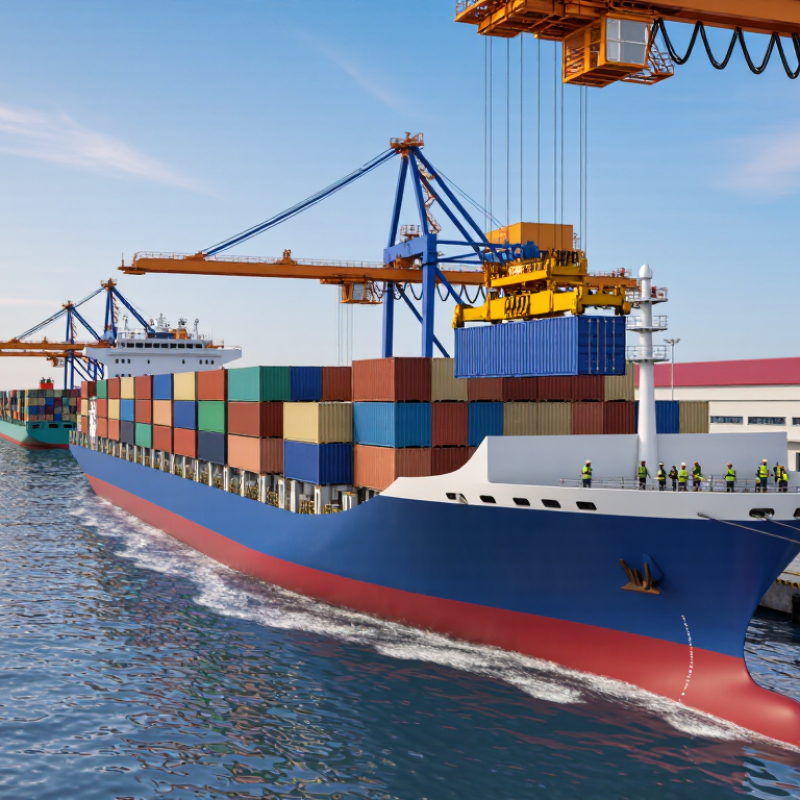
What Is Ocean FCL Container Freight Forwarding?

Definition and Core Features of Ocean FCL Container Freight Forwarding

What Is Ocean FCL Container Freight Forwarding?

Definition and Core Features of Ocean FCL Container Freight Forwarding

Ocean FCL container freight forwarding moves cargo in a dedicated shipping container. FCL means Full Container Load, but the container does not need to be physically full. One shipper usually controls the cargo inside it. The freight forwarder coordinates booking, inland transport, port delivery, documentation, and ocean movement. This arrangement suits regular shipments, bulky goods, or cargo requiring careful handling.

A core feature is sealed-container control. After loading, the shipper records the package count, weight, and container condition. The container is then sealed before transport. Its verified gross mass must match the shipping documents. A forwarder also checks the vessel schedule, port cut-off, cargo readiness, and required customs paperwork. Small errors can delay a container for days.

FCL often reduces cargo handling because goods remain inside one container. That can lower the risk of mixing, loss, or external damage. Costs are commonly based on the container, route, and service requirements rather than each carton. Still, FCL is not always cheaper. A lightly loaded container may cost more than shared transport. This is where practical experience matters. Many shipment plans look efficient until storage, truck waiting time, or missed cut-offs appear. Clear packing instructions and early document checks make the process more reliable.

How the Ocean FCL Shipping Process Works Step by Step

What Is Ocean FCL Container Freight Forwarding?

How the Ocean FCL Shipping Process Works Step by Step

Ocean FCL means one shipper uses a full container for compliant cargo. The process starts with a detailed quotation. Cargo type, volume, weight, origin, destination, and required delivery date must be clear. A forwarder then checks space, equipment availability, and the planned sailing schedule. Small errors here can create expensive delays.

After booking, the empty container moves to the loading site. The shipper checks its floor, doors, walls, and odor before stuffing. Cartons should be distributed evenly, with heavy goods placed low. Strong lashing prevents movement during rough seas. The final cargo weight is verified and submitted before the vessel cutoff. Commercial invoices, packing lists, and other required documents must match the actual shipment. Details matter.

The container enters the origin terminal through a scheduled truck appointment. Terminal staff record the unit, seal, weight, and gate-in time. Customs procedures follow according to the shipment and local rules. Once cleared, the container is loaded onto the assigned vessel. Tracking continues through transshipment points, which can change the original arrival estimate. At destination, the consignee handles import clearance, duties, and delivery arrangements. The container is collected, unloaded, and returned within the allowed free time. One overlooked document can stop the whole chain. My practical lesson is simple: confirm every cutoff in writing, then check it again.

What Is Ocean FCL Container Freight Forwarding? - How the Ocean FCL Shipping Process Works Step by Step

Step Process Stage What Happens Key Documents or Data Typical Lead Time* Main Cost Drivers
1 Shipment Planning The shipper confirms cargo volume, origin, destination, preferred sailing date, and whether the shipment requires a full container. Cargo description, HS code, package count, dimensions, gross weight, shipping terms, and requested equipment type. 1–3 business days Cargo characteristics, route, season, equipment availability, and requested departure date.
2 Freight Quotation The forwarding provider compares available sailings and prepares an estimate covering transport and applicable origin or destination charges. Freight rate, validity period, routing, transit estimate, free-time allowance, surcharges, and local charges. 1–5 business days Ocean freight, fuel-related surcharges, terminal handling, documentation, customs, drayage, and storage.
3 Booking Confirmation The shipper accepts the quotation, and space plus the required container type are requested for a selected sailing. Booking request, shipper and consignee details, container quantity, equipment type, cargo weight, and cut-off dates. 1–4 business days Space availability, equipment shortages, peak-season demand, and booking amendments.
4 Cargo Preparation Goods are packed, marked, weighed, and prepared according to the container loading plan and applicable transport requirements. Commercial invoice, packing list, labels, export permits when required, and verified gross mass information. 1–7 days, depending on cargo readiness Packaging materials, palletization, weighing, special handling, inspection, and hazardous-goods preparation.
5 Export Customs Clearance Export declarations are submitted, and customs verifies the shipment information before cargo leaves the origin country. Export declaration, invoice, packing list, HS classification, origin information, and permits if applicable. 1–3 business days when documents are complete Brokerage, inspection, permit processing, duties or taxes where applicable, and documentation corrections.
6 Container Pickup and Drayage An empty container is collected, transported to the loading site, loaded, sealed, and moved to the export terminal. Equipment release reference, truck appointment, seal number, container number, and verified gross mass. 1–3 days Local distance, fuel, tolls, chassis, waiting time, loading service, port congestion, and container detention risk.
7 Terminal Receiving The loaded container enters the port terminal before the published receiving cut-off for the booked vessel. Gate-in record, container and seal numbers, terminal appointment, booking reference, and verified gross mass. 1–2 days before vessel departure Terminal handling, gate fees, pre-carriage, storage after free time, and late-gate charges.
8 Loading and Ocean Transit The container is loaded onto the vessel and transported to the destination port, usually under one bill of lading for the full container. Bill of lading or sea waybill, vessel details, container tracking events, and estimated arrival date. Approximately 10–45 days, depending on route and transshipment Ocean freight, route length, transshipment, seasonal surcharges, security fees, and schedule changes.
9 Import Customs Clearance The importer or appointed broker submits entry information and pays applicable import duties, taxes, and official charges. Commercial invoice, packing list, bill of lading, import declaration, permits, valuation data, and origin documents. 1–5 business days, subject to customs review Import duty, value-added or sales tax, brokerage, inspection, demurrage, and documentation amendments.
10 Destination Delivery and Empty Return The container is released from the terminal, delivered to the consignee, unloaded, and returned empty within the agreed free-time period. Delivery order, terminal release, appointment details, proof of delivery, container interchange record, and empty-return confirmation. 1–5 days after customs release Destination drayage, chassis, unloading, terminal fees, storage, demurrage, detention, and re-delivery.
FCL means Full Container Load: one shipper generally uses the container’s booked capacity, even when the cargo does not physically fill every cubic meter. Actual transit times, cut-off dates, charges, and customs requirements vary by trade lane, port, cargo type, and service conditions. *Lead times shown are general planning ranges, not guaranteed delivery times.

Key Parties and Responsibilities in FCL Freight Forwarding

What Is Ocean FCL Container Freight Forwarding?

Ocean FCL container freight forwarding moves one shipper’s cargo in a dedicated, sealed container. The shipper prepares accurate cargo details, commercial documents, packing, and delivery instructions. Cargo weight must be verified before loading. Small errors can delay an entire container.

The freight forwarder coordinates the booking, container release, inland pickup, export documentation, and shipment tracking. It also checks schedules and explains port cut-offs, storage rules, and possible delays. The ocean carrier transports the container between nominated ports. However, the carrier normally does not manage the shipper’s factory loading or final delivery. That boundary is often misunderstood.

Terminals receive, stack, inspect, and release containers under port procedures. Customs authorities assess declarations and supporting documents. A customs broker, where appointed, helps the importer meet clearance requirements. The consignee must provide timely instructions, pay destination charges, and arrange collection before storage costs increase. UNCTAD’s Review of Maritime Transport 2024 states that more than 80% of global merchandise trade by volume moves by sea. This scale makes coordination essential, not optional. The World Bank’s Logistics Performance Index 2023 also highlights customs, infrastructure, and timeliness as major logistics performance factors.

The process looks orderly on paper. Reality is less tidy. A late packing list, unclear cargo weight, or missed terminal deadline can affect several parties. Experienced operators use shared checklists, written handovers, and milestone updates. Still, no forwarder can remove every operational risk. Reliable FCL service depends on clear responsibility at each handover.

What Is Ocean FCL Container Freight Forwarding?

Key Parties and Responsibilities in FCL Freight Forwarding

This chart summarizes the core responsibility areas commonly handled by each party in an ocean FCL shipment. The shipper prepares cargo and export documents, the freight forwarder coordinates the shipment, the carrier operates the ocean service, customs professionals manage regulatory clearance, the terminal handles container movements, and the consignee completes import-side activities.

FCL Documentation, Pricing, and Major Shipping Costs

What Is Ocean FCL Container Freight Forwarding?

Ocean FCL forwarding moves one shipper’s cargo in a dedicated container. The process begins with accurate cargo details, including weight, dimensions, packaging, and destination. A freight forwarder usually checks the commercial invoice, packing list, booking details, and bill of lading instructions. The verified gross mass must also match the packed container. Small errors can delay loading.

FCL pricing includes more than the ocean freight rate. Major costs may include origin trucking, terminal handling, documentation, customs processing, and destination delivery. Fuel-related adjustments, currency changes, and seasonal capacity can also affect the final amount. Ask whether the quote includes port security fees, container cleaning, storage, and chassis charges. Demurrage and detention may apply when equipment stays beyond the agreed free time. Read the conditions carefully.

In practical shipment planning, a door-to-door estimate is more useful than a low ocean rate alone. A container may leave a warehouse at dawn, wait beside a busy terminal, and face extra storage after a missed collection slot. Transit times are estimates, not promises. I have seen budgets fail because accessorial charges were treated as minor details. That assumption needs questioning. Compare at least two detailed quotations, confirm the cargo cut-off, and keep every document consistent. A clear cost sheet supports better decisions.

Common Risks and How to Choose an FCL Freight Forwarder

What Is Ocean FCL Container Freight Forwarding?

Common Risks and How to Choose an FCL Freight Forwarder

Ocean FCL container freight forwarding moves one shipper’s cargo in a dedicated full container. Unlike LCL, the goods usually stay sealed from origin to destination. A forwarder coordinates booking, export documents, port delivery, customs communication, and final release.

In practice, the smoothest shipment is rarely the cheapest quote. A missed cut-off can leave a loaded container beside a warehouse for days. That delay may create storage, demurrage, and production problems.

Common risks include inaccurate cargo details, rolled sailings, port congestion, damaged seals, and unclear local charges. Weight errors can trigger rework before the container enters the terminal. Some problems begin with vague emails.

A reliable forwarder asks for cargo type, dimensions, gross weight, ready date, loading address, and destination requirements. Request a written quotation covering ocean freight, origin fees, destination fees, free time, transit estimates, and surcharge conditions. Check route experience, not only years in business. Ask how they handle inspections, schedule changes, cargo damage, and urgent communication. References and clear insurance explanations also matter.

Yet no forwarder can remove every delay. I would treat confident promises as a warning sign.

Tips:

Photograph the empty container before loading. Record the seal number, carton count, and loading time. Keep scanned documents in one shared folder. Compare the booking confirmation with the final shipping instruction.

Leave buffer days around factory loading and vessel cut-off. Ask who pays when free time expires. If an answer is unclear, pause before confirming the booking.

Small omissions become expensive.

FAQS

What does Ocean FCL container freight forwarding mean?

It moves one shipper’s compliant cargo in a dedicated container. The container need not be physically full.

Why might a shipper choose FCL transport?

Cargo stays inside one sealed container, reducing repeated handling, mixing, and external damage. This suits bulky or regular shipments.

What information is needed for an accurate FCL quotation?

Provide cargo type, volume, weight, origin, destination, and required delivery date. Missing details can distort the price.

How should a container be checked before loading?

Inspect the floor, doors, walls, and odor. Reject units with damage, leaks, or unusual contamination.

How should cargo be loaded inside the container?

Place heavy goods low and distribute weight evenly. Use strong lashing to limit movement during rough seas.

Which documents commonly support an FCL shipment?

Commercial invoices, packing lists, verified cargo weight, and required customs documents must match the actual shipment.

Who handles the main parts of the FCL process?

The forwarder coordinates booking, inland transport, documents, and tracking. The carrier moves the container between ports.

What can delay an FCL shipment?

Missed cut-offs, incorrect weights, late documents, equipment shortages, and transshipment changes can delay delivery for days.

What happens after the container reaches its destination?

The consignee arranges import clearance, duties, delivery, unloading, and timely container return. Storage charges may rise quickly.

Is FCL always cheaper than shared container transport?

No. A lightly loaded container may cost more after trucking, storage, and waiting charges are included. Plans can look efficient, then fail.

Conclusion

Ocean FCL Container Freight Forwarding is a shipping solution in which one shipper uses an entire container for its cargo, whether the container is completely full or not. It offers greater control, cargo security, and predictable handling compared with shared-container services. The process typically includes booking space, preparing and packing the cargo, completing export procedures, loading the container, transporting it by sea, clearing import requirements, and arranging final delivery.

An FCL freight forwarder coordinates communication among the shipper, carrier, port, customs authorities, and inland transport providers. Key considerations include commercial invoices, packing lists, bills of lading, container details, freight rates, terminal charges, documentation fees, customs-related costs, and local delivery expenses. Although FCL shipping can reduce cargo handling, risks such as delays, inaccurate documents, container damage, and unexpected surcharges may still occur. Choosing a reliable forwarder requires evaluating service coverage, communication, pricing transparency, operational experience, and the ability to manage problems efficiently.

Evelyn

Evelyn

Evelyn is a seasoned marketing professional with a strong understanding of product strategy, customer needs, and evolving market trends. As a dedicated contributor to the company’s website, she regularly publishes insightful blog articles that explain product features, practical applications,......