
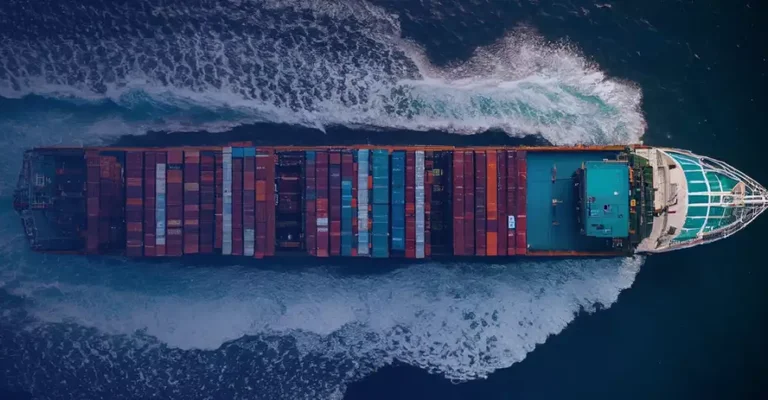
Mandatory CBP Security Compliance for US Ocean Imports
The Importer Security Filing (ISF), commonly known as "10+2", is a strict requirement by U.S. Customs and Border Protection (CBP). It mandates that specific manifest and commodity data be transmitted electronically to CBP at least 24 hours prior to loading any ocean container onto a vessel bound for the United States.
Filing late, inaccurately, or incompletely triggers immediate liquidated damages of $5,000 per violation from CBP, along with mandatory container holds, intensive non-intrusive inspections, and spiraling port demurrage fees. As a C-TPAT certified and FMC-licensed NVOCC operating since 1999, Airlift USA maintains an infallible track record in managing seamless ISF transmissions directly with U.S. Customs automated systems.
Zero-Penalty Commitment
We audit supplier documentation, verify HTS classification codes, and confirm manifest data before transmitting to ACE/CBP, ensuring total compliance for overseas exporters and U.S. buyers.
The Required 10+2 ISF Data Elements
Understanding the exact data required by U.S. Customs ensures smooth cargo movement from Asian export gateways to U.S. ports of entry.
1. Seller Name & Address
The last known entity by whom the goods are sold or agreed to be sold.
2. Buyer Name & Address
The last known entity to whom the goods are sold or agreed to be sold.
3. Importer of Record Number
The IRS number, Employment Identification Number (EIN), SSN, or CBP-assigned number of the entity liable for duties.
4. Consignee Number
The U.S. Internal Revenue Service number or SSN of the party to whose account the goods are consigned.
5. Manufacturer (or Supplier)
Name and location of the entity that manufactured, produced, or assembled the commodity.
6. Ship-to Party
Name and address of the first point of physical receipt of the cargo after release from customs.
7. Country of Origin
Country of manufacture, production, or growth of the commodity, consistent with import documentation.
8. Commodity HTSUS Number
Harmonized Tariff Schedule code provided to at least the 6-digit level (10-digit preferred for customs entries).
9. Container Stuffing Location
Name and physical location where the goods were stuffed into the ocean container (for FCL cargo).
10. Consolidator (Stuffer) Name
Name and address of the party who loaded the container or arranged for consolidation (for LCL cargo).
How Airlift USA Manages Your ISF Filing
Our streamlined process prevents origin delays and eliminates compliance risks at U.S. arrival ports.
Pre-Audit & Validation
We review commercial invoices, packing lists, and HTS codes with overseas suppliers before cargo pickup.
CBP Transmission
Direct electronic transmission to ACE at least 24–48 hours prior to vessel loading at origin port.
Vessel Tracking & Updates
Continuous monitoring of vessel schedules; automatic filing of amendments if routing or Bill of Lading changes.
Customs Clearance Integration
Seamless handoff to licensed U.S. customs brokers for final 7501 entry release and container drayage.
Frequently Asked Questions About ISF 10+2
Crucial regulatory insights for overseas manufacturers, global procurement executives, and U.S. importers.
The Importer Security Filing (ISF), commonly known as "10+2", is a mandatory U.S. Customs and Border Protection (CBP) regulation requiring importers or their authorized agents to electronically submit 10 specific data elements regarding ocean cargo bound for the United States at least 24 hours prior to loading at the foreign port.
CBP enforces strict liquidated damages of $5,000 per late, inaccurate, or incomplete ISF submission, with maximum penalties reaching up to $10,000 per shipment. In addition, non-compliant shipments face immediate customs holds, physical container inspections, demurrage fees, and port storage charges upon arrival in the U.S.
The Importer of Record (the entity bringing goods into the U.S.) is legally responsible for ensuring the ISF is filed on time. However, as an FMC-licensed NVOCC, Airlift USA acts as your authorized agent to gather supplier data, audit details, and file directly with CBP on your behalf.
Yes. If shipment details change or updated commercial invoices are issued before cargo arrives at a U.S. port, ISF amendments can be transmitted electronically. Airlift USA monitors vessel schedules and container status continuously to file required updates promptly, maintaining full compliance.
ISF 10+2 applies specifically to vessel ocean imports. Air freight requires Air Cargo Advance Screening (ACAS). However, ocean cargo transit goods (In-Transit Bonds such as Immediate Transportation IT or Transportation & Exportation T&E) require an "ISF-5" filing.
Ready to Secure Your Ocean Shipments with On-Time ISF Compliance?
Speak with our licensed trade compliance team to verify your HTS codes, organize supplier data, and ensure zero-penalty U.S. Customs clearance.