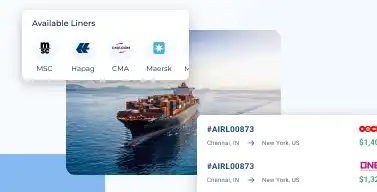
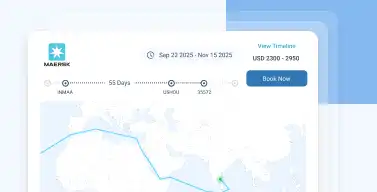
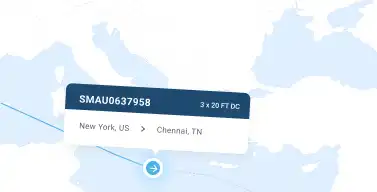
Southeast Asia Multimodal Freight Logistics - Vessel and inland transport network
FMC-Licensed NVOCC · C-TPAT Certified · Established 1999

Mastering Southeast Asia Multimodal Freight Logistics: The Executive Sourcing Blueprint

How Global Procurement Directors and Supply Chain Executives Build Resilient Ocean-Rail-Road-Air Corridors, Eliminate Transit Bottlenecks, and Guarantee US Customs Compliance Across ASEAN Sourcing Hubs.

Enterprise Trust & Compliance

Licensed Authority & Global Operational Footprint

Executing complex Southeast Asia Multimodal Freight Logistics demands rigorous licensing, verifiable credentials, and hands-on governance at origin and destination. Airlift USA combines decades of operational mastery with regulatory accreditation.

FMC-licensed NVOCC logoFMC NVOCC #016255
C-TPAT certified logoC-TPAT Tier Certified
IATA certified air cargo agent logoIATA Cargo Agent
NCBFAA member logoNCBFAA Licensed
IAM member logoIAM Global Network
LAACA member logoLAACA Executive
0Years Sourcing & Forwarding Experience
0Global Trade Corridors Active
0Active Enterprise Importers
0Owned Regional Operational Hubs
Strategic Supply Chain Engineering

Architectural Deep-Dive: Navigating the Complexity of Southeast Asia Multimodal Freight Logistics

As multinational corporations rapidly accelerate their "China+1" and "Plus One ASEAN" supply chain strategies, the demand for sophisticated Southeast Asia Multimodal Freight Logistics has transitioned from an operational alternative to a strategic imperative. Shifting production out of traditional East Asian manufacturing centers into high-growth ASEAN manufacturing clusters—such as Vietnam’s Bac Ninh and Binh Duong provinces, Cambodia’s Phnom Penh Special Economic Zone (PPSEZ), Thailand’s Eastern Economic Corridor (EEC), and Malaysia’s Penang industrial belt—introduces intricate geographical, infrastructural, and regulatory dynamics.

Unlike mature single-mode origin markets, Southeast Asian logistics networks are inherently fragmented. Archipelago geographies, varying river depths, disparate railway gauges, and border bottleneck points require logistics leaders to combine multiple modes of transportation under a single, seamless contract. By integrating Inland Container Depots (ICDs), Mekong River barge feeders, cross-border bonded trucking networks, intra-Asia ocean routes, and time-critical sea-air transshipment hubs, multimodal logistics ensures uninterrupted velocity, cost predictability, and risk mitigation.

Information Gain Insights: The ASEAN Multimodal Trade Matrix

Navigating ASEAN supply chains requires understanding the unique transit profiles, risk factors, and cost dynamics of each primary multimodal combination. Below is an operational breakdown for US import directors:

Multimodal Combination Primary Origin / Transit Nodes Avg. Lead Time to US West Coast Cost Index vs Direct Air Primary Bottlenecks & Risk Drivers
Cross-Border Bonded Truck + Ocean FCL Phnom Penh (Cambodia) → Moc Bai Border → Cai Mep Port (Vietnam) → LA/LB 18 – 22 Days 80% Lower Customs clearance congestion at Moc Bai / Bavet border; secondary documentation handoffs.
River Barge Feeder + Ocean Transshipment Mekong Delta (Can Tho) → Ho Chi Minh City (Cat Lai) → Port Klang → US East Coast 28 – 35 Days 88% Lower Mekong seasonal water levels; feeder draft restrictions; transshipment port dwell times.
Intra-ASEAN Rail-Road + Sea-Air Priority Laos / Northern Thailand → Bangkok → Singapore Changi (SIN) → JFK / ORD 7 – 10 Days 45% Lower Rail gauge transfers at border interchanges; air cargo space allocations during peak season.
Feeder Vessel + Direct Transpacific Ocean Penang / Port Klang (Malaysia) → Singapore Hub → Seattle / Tacoma 19 – 24 Days 85% Lower Feeder blank sailings; port congestion at regional transshipment hubs.

Why Pure Direct Shipping Fails in Fragmented ASEAN Hubs

A primary mistake global buyers make is applying rigid, single-mode ocean shipping models to Southeast Asian origins. Sourcing directly out of landlocked or riverine manufacturing hubs via traditional ocean freight frequently yields severe delays. Container vessels calling at shallow river terminals encounter strict draft limits, forcing vessels to short-load containers or await high-tide windows. Furthermore, relying purely on direct trucking without bonded customs arrangements across borders like Cambodia-Vietnam or Thailand-Malaysia leads to container grounding, missed vessel cut-offs, and astronomical demurrage penalties.

Southeast Asia Multimodal Freight Logistics solves these structural friction points through single-document accountability. By leveraging an FMC-licensed NVOCC capable of issuing a negotiable Multimodal Transport Bill of Lading (MTBL), cargo liability, tracking, and customs compliance are unified from origin pickup to US door delivery.

Strategic Horizon Scanning

The landscape of international trade and sourcing is undergoing structural shifts. Global supply chain leaders evaluating Southeast Asia Multimodal Freight Logistics must anticipate key macroeconomic, legal, and operational developments shaping ASEAN-US trade corridors over the coming decade.

1. The Shift from Traditional FOB to FCA/DDP Incoterms in Multimodal Sourcing

Historically, global buyers relied heavily on Free On Board (FOB) terms, allowing factory suppliers to manage domestic inland drayage to local ocean ports. However, across Southeast Asia's complex geography, local suppliers frequently lack the expertise to navigate cross-border bonded transport or feeder schedules efficiently. As a result, forward-thinking procurement teams are transitioning to FCA (Free Carrier) or DDP (Delivered Duty Paid) terms under Incoterms 2020.

Under FCA terms at an origin ICD (e.g., ICD Tan Cang - Long Binh in Vietnam or ICD Phnom Penh), the buyer's designated multimodal forwarder takes control of the cargo immediately at the inland facility. This enables centralized optimization of cross-border trucking, choice of transshipment ports, and control over ocean carrier selection—drastically reducing origin delays and hidden supplier markups on freight.

2. Strict Enforcement of Rules of Origin and Transshipment Verification

With US regulatory agencies (US Customs and Border Protection - CBP) intensifying scrutiny on Section 301 tariffs and circumvention, proving legitimate Country of Origin (COO) and substantial transformation across ASEAN manufacturing processes has become mandatory. Multimodal transport routing must maintain an airtight audit trail. Moving goods across multiple borders (e.g., China to Vietnam to US) requires pristine documentation, including cross-border transit customs declarations, non-manipulation certificates, and detailed bills of lading showing uninterrupted transport oversight by an FMC-licensed NVOCC.

3. Supply Chain Decarbonization and Scope 3 Emissions Transparency

Multinational enterprises are increasingly held accountable to corporate sustainability mandates and EU/US carbon reporting regulations. Multimodal freight transport offers a direct pathway to reducing Scope 3 logistics emissions. Moving long-distance inland cargo via electrified railway or coastal river barges emits up to 75% less CO2 per ton-kilometer compared to pure long-haul diesel trucking. Advanced multimodal routing engines now incorporate real-time carbon calculation metrics, allowing buyers to select optimal corridors balancing transit speed, cost, and environmental footprint.

Industry & Infrastructure Development Trends in ASEAN Logistics

Massive infrastructure investments across the ASEAN region are redefining trade flow velocity. Understanding these key infrastructure developments allows enterprise supply chain planners to build first-mover operational advantages:

  • Deepwater Port Expansions (Cai Mep & Lach Huyen, Vietnam): The expanding capacity of deepwater terminals in Southern and Northern Vietnam allows ultra-large container vessels (ULCVs) to call directly without requiring feeder transshipment via Singapore or Hong Kong, shaving 3 to 4 days off Transpacific ocean transit.
  • The Pan-Asia Railway System & Regional Rail Connectivity: The operational maturity of the China-Laos Railway, combined with ongoing upgrades to the Thai rail network and Malaysia’s East Coast Rail Link (ECRL), is creating seamless land-bridge connectivity. High-value cargo can now move via rail from inland manufacturing hubs directly to peninsular ocean ports.
  • Digitalization of Multimodal Documentation (e-BL Standard): The adoption of electronic Bills of Lading (eBL) backed by DCSA (Digital Container Shipping Association) standards is eliminating paper-based release delays at transshipment ports. Document processing times that previously took 3 to 5 days are now completed digitally within hours.

Proactive Supply Chain Takeaway

To capture maximum competitive gain, US importers should audit their Southeast Asian logistics architecture annually. Transitioning from fragmented single-leg ocean bookings to a unified multimodal contract powered by an FMC-licensed NVOCC ensures lower landed costs, faster transit times, and total compliance integrity.

Send an Inquiry
Technology-Driven Operational Command

End-to-End Visibility Across Complex Multimodal Routes

Managing multi-leg transit across Southeast Asia requires control. Airlift USA combines hands-on regional operational teams with intelligent tracking architecture.

Unified Multimodal Bill of Lading

One accountable document covering inland barge, cross-border truck, feeder vessel, and transpacific ocean transit.

Real-Time GPS & Milestone Telematics

Track container locations continuously through border checkpoints, ICD transfers, and marine terminal gates.

Predictive Risk & Demurrage Alerts

Automated warnings identify potential border delays or port dwell bottlenecks before demurrage costs accrue.

24/7 Cross-Border Control Towers

Dedicated logistics desks in Ho Chi Minh City, Phnom Penh, Dhaka, Chennai, Los Angeles, and New Jersey.

Airlift USA Multimodal Supply Chain Platform Overview

FMC-Licensed NVOCC Accountability

We issue our own house bills of lading and contract directly with ocean ocean carriers, giving you guaranteed container space and competitive contract rates.

In-House US Customs Brokerage

Our licensed US customs specialists manage ISF filing, HTS classification, and duty optimization directly, avoiding third-party handoff errors.

Transparent Landed-Cost Pricing

All-inclusive freight quotations set out every border charge, terminal handling fee, and drayage cost upfront with zero surprise surcharges.

Enterprise Footprint

Own Operational Offices at Origin Sourcing Hubs and US Destination Ports

Successful multimodal execution depends on having dedicated staff on the ground at origin border gates and inland ports. Airlift USA operates fully staffed physical offices across key Southeast Asian and South Asian sourcing nodes, backed by established partner networks across ASEAN.

United States Operational Headquarters Los Angeles (Westlake Village, CA) · New Jersey (North Brunswick, NJ)
Southeast & South Asia Control Hubs Ho Chi Minh City (Vietnam) · Phnom Penh (Cambodia) · Dhaka (Bangladesh)
India Subcontinent Branch Network (14 Offices) Chennai, Mumbai, Navi Mumbai, New Delhi, Bengaluru, Hyderabad, Ahmedabad, Kolkata, Jaipur, Coimbatore, Gandhidham, Jodhpur
Los Angeles New Jersey India Hubs Ho Chi Minh / Phnom Penh Dhaka
US Headquarters Regional Control Hubs Intermodal Terminals
Multimodal Routing Guide

Primary ASEAN Multimodal Corridors to North America

Our multimodal network optimizes inland transport, river feeder barges, and direct transpacific vessel calls to deliver superior transit times across major trade lanes:

Origin Region Inland / Feeder Route Primary Gateway Ports US Gateways
Vietnam (North & South) ICD Long Binh / Bac Ninh Trucking → Feeder / Barge Cai Mep (VNCMP) / Hai Phong (VNHPH) LAX, LGB, OAK, SEA, NYC, SAV
Cambodia (Phnom Penh) Cross-border bonded truck via Moc Bai OR Mekong river barge Cai Mep (Vietnam) / Sihanoukville (KPSHV) LAX, LGB, HOU, NYC
Thailand (Bangkok / EEC) Inland Rail & Trucking → Laem Chabang Port Laem Chabang (THLCH) / Bangkok (THBKK) LAX, LGB, SEA, SAV, BAL
Malaysia (Penang / Klang) KTM Intermodal Freight Rail → Port Klang Terminal Port Klang (MYPKG) / Penang (MYPEN) LAX, LGB, NYC, ORF
Indonesia (Java / Sumatra) Coastal Inter-Island Barge → Jakarta / Surabaya Hubs Tanjung Priok (IDTPP) / Tanjung Perak (IDSUB) LAX, LGB, SAV, MIA

Compliance Tip: Ocean containers moving under multimodal transport require precise ISF (10+2) data transmission at least 24 hours prior to loading onto the initial feeder vessel. Our operations team manages this automatically under our FMC NVOCC bond.

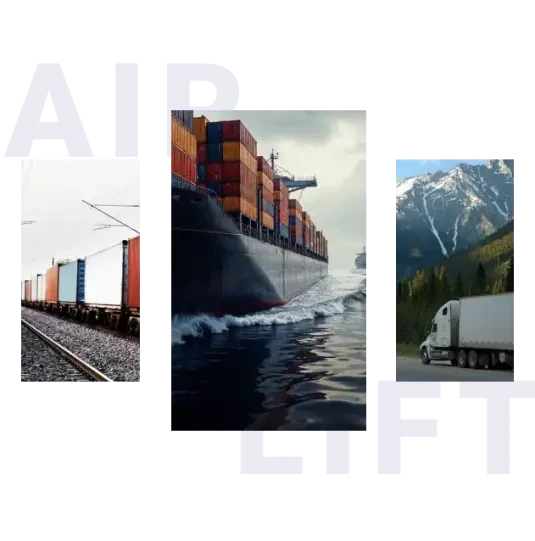
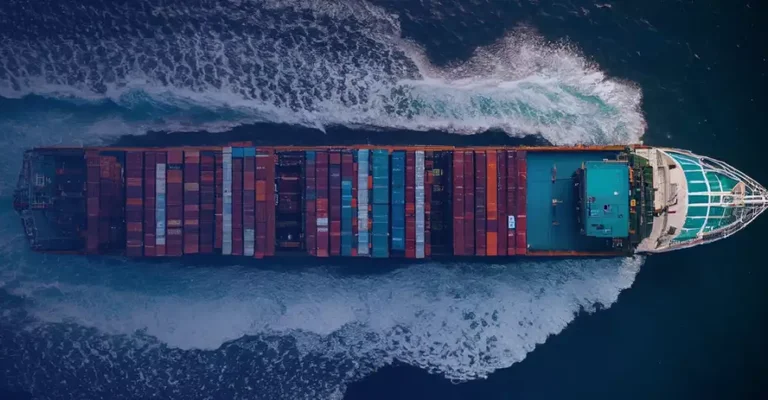
Multimodal container vessel loading cargo in Southeast Asia
US Customs & Tariff Audit

Transitioning Production to Southeast Asia? Ensure HTS & AD/CVD Compliance.

Our licensed US customs brokerage team conducts comprehensive Country of Origin audits, Section 301 tariff evaluations, and AD/CVD risk assessments for your ASEAN imports.

Send an Inquiry
Expert Analysis

Strategic Intelligence for ASEAN Supply Chain Managers

In-depth technical guides authored by Airlift USA’s Senior Logistics & Customs Directors.

Border Logistics6 min read

Navigating the Moc Bai / Bavet Border: Avoiding Cross-Border Grounding

Overland bonded trucking between Cambodia and Vietnam is the fastest route to Cai Mep port, but paperwork discrepancies at the border can freeze containers for days. Learn how pre-filed electronic transit manifests guarantee green-lane clearance.

Key Takeaway: Always execute bonded transit manifests under a single multimodal bill of lading.
US Customs8 min read

Avoiding Transshipment Penalties: Verifying Substantial Transformation in ASEAN

US Customs actively audits shipments originating in Southeast Asia to detect illegal tariff evasion. Discover how to document raw material inputs, value-add assembly thresholds, and non-manipulation certificates to maintain 100% compliance.

Key Takeaway: Audit supplier BOMs (Bill of Materials) prior to issuing purchase orders.
Routing Strategy5 min read

Barge vs. Trucking in the Mekong Delta: Cost & Speed Tradeoffs

Choosing between Mekong river feeder barges and container trucking out of Bac Ninh or Can Tho impacts your lead time by up to 96 hours. We break down the landed-cost differential for high-density versus low-value commodities.

Key Takeaway: Utilize barge feeders for heavy raw materials; truck high-value finished goods.
Buyer Intent & Technical FAQ

Frequently Asked Questions: Southeast Asia Multimodal Logistics

Direct operational answers to the most critical questions global buyers and supply chain executives ask about ASEAN multimodal transport.

Multimodal freight logistics involves moving cargo using two or more modes of transport (e.g., river barge, cross-border bonded truck, ocean vessel, and inland rail) under a single contract and single Multimodal Transport Bill of Lading (MTBL) issued by an FMC-licensed NVOCC like Airlift USA. The key distinction lies in legal accountability: in multimodal shipping, Airlift USA assumes sole responsibility for the entire journey from pickup at an origin inland factory to destination delivery in the US. In intermodal transport, the buyer or shipper enters into separate contracts with individual truck, rail, and ocean operators, managing liability and handoffs independently.

A single Multimodal Bill of Lading eliminates administrative gaps between land and sea carriers. In cross-border corridors (such as Cambodia to Vietnam or Thailand to Malaysia), bonded customs manifests are linked directly to the primary NVOCC house bill of lading. This ensures that customs authorities recognize the cargo as in-transit bonded goods, bypassing time-consuming local import/export re-declarations at physical border gates. Furthermore, if a delay occurs during an inland leg, Airlift USA's control tower automatically adjusts ocean vessel bookings without incurring secondary booking cancellation penalties.

Sea-Air multimodal solutions are optimal when your product schedule requires a middle-ground between the high cost of pure air freight and the longer lead time of direct ocean shipping. For example, moving cargo via ocean feeder from Ho Chi Minh City or Bangkok to Singapore, followed by immediate air transshipment to the US, delivers your goods in 7 to 10 days door-to-door. This is approximately 50% faster than standard ocean freight and costs up to 60% less than direct air freight out of origin hubs—making it ideal for seasonal inventory launches, unexpected factory delays, or high-value fashion and electronics.

Under US Customs regulations, the ISF 10+2 must be filed at least 24 hours before cargo is loaded onto the vessel bound for the United States. When cargo originates on a river barge or regional feeder vessel (e.g., leaving Phnom Penh or Hai Phong), US Customs considers the first ocean-going mother vessel at the transshipment port (e.g., Cai Mep or Singapore) as the filing deadline driver. However, best practice is to file the ISF prior to loading on the initial feeder. Airlift USA transmits ISF data in-house directly upon origin container stuffing, preventing liquidated damages of up to $5,000 per late filing.

To withstand US Customs & Border Protection (CBP) scrutiny, importers must establish that goods manufactured or assembled in ASEAN countries undergo "Substantial Transformation" in that nation, altering their character, name, or HTS classification. When utilizing multimodal transport across borders, importers must maintain: (1) A complete Bill of Materials (BOM) showing non-originating inputs, (2) Official Certificates of Origin issued by the origin country's ministry of trade, and (3) Non-manipulation certificates for transshipment ports. Airlift USA’s customs brokerage team conducts pre-shipment compliance reviews to verify your entry data before containers depart Asia.

Seasonal water levels in the Mekong River system directly dictate barge draft limits. During dry seasons, barges operating between Phnom Penh and Southern Vietnam ports must reduce container payload weights to prevent grounding. If cargo weight exceeds allowable limits, containers can be delayed at river terminals. Airlift USA mitigates this risk by dynamically shifting heavy cargo to bonded cross-border trucking corridors (e.g., Moc Bai land border) during low-water months, ensuring container weights remain unconstrained and vessel cut-off dates are reliably met.

An FMC (Federal Maritime Commission) license authorizes an NVOCC to issue legally binding Bills of Lading, publish tariffs, and negotiate confidential rate agreements directly with vessel-operating common carriers (VOCCs). For multimodal shipments, an FMC license guarantees that your transport document is legally enforceable in US courts and recognized by financial institutions for Letter of Credit (L/C) negotiations. Unlicensed forwarders must rely on intermediate brokers, creating layers of operational risk, unhedged liability, and potential cargo holds at US ports of entry.

Demurrage and detention costs occur when containers dwell excessively at ocean terminals or off-dock ICDs awaiting transshipment. To prevent these charges, Airlift USA structures multimodal contracts with extended free-time agreements (typically 10 to 14 days at origin transshipment ports and destination US ports). Additionally, our real-time tracking platform monitors terminal gate movements, instantly triggering alerts if a feeder vessel arrival misses its scheduled mother vessel connection, enabling immediate re-booking to secondary ocean carrier services.

Optimize Your Southeast Asia Supply Chain Today

Speak directly with our senior multimodal logistics architects. We will evaluate your ASEAN origin manufacturing nodes, analyze your current landed costs, and build a high-velocity, fully compliant multimodal transport blueprint tailored to your business.