
Direct vs. Transshipment Strings
Direct ocean liner services offer the fastest port-to-port transit. Transshipment routes transfer containers at intermediate hubs (e.g., Singapore, Busan), adding 7 to 12 buffer days to total transit time.
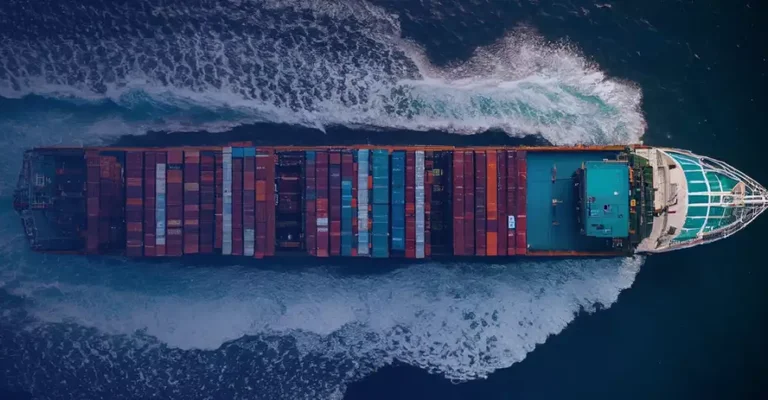
Ocean transit duration represents only the port-to-port water leg (Stage 3). A realistic import timeline must account for origin cut-offs, customs clearance, and final terminal drayage.
Cargo dispatch from supplier factory to origin Container Freight Station (CFS) or port terminal. Varies by inland distance and equipment readiness.
VGM submission, export documentation, and terminal gate cut-offs. Missing a gate cut-off pushes cargo to the subsequent weekly sailing.
Estimated vessel transit from Port of Loading ETD to Port of Discharge ETA. Influenced by direct strings, transshipments, and weather routes.
ISF 10+2 filed 24h prior to foreign loading. Customs entry submitted prior to vessel berthing to facilitate rapid release upon arrival.
Vessel unloading, container availability at terminal, and drayage delivery to distribution centers within free-time limits.
Practical operational insights drawn from 25+ years of managing container shipping routes across Asia, North America, and Europe.
Direct ocean liner services offer the fastest port-to-port transit. Transshipment routes transfer containers at intermediate hubs (e.g., Singapore, Busan), adding 7 to 12 buffer days to total transit time.
A vessel sailing delay is rarely the sole cause of late delivery. Container gate cut-offs and documentation deadlines occur 3–5 days prior to ETD. Missing these cut-offs rolls cargo to the next departure.
While ocean vessels travel at identical speeds, LCL cargo requires 3–5 additional days at origin for container consolidation and another 3–5 days at destination CFS for deconsolidation and release.
Representative ocean transit day ranges for major global trade corridors served by Airlift USA NVOCC contracts.
| Trade Corridor | Origin Port | Destination Port | Typical Ocean Transit Range | Service Type |
|---|---|---|---|---|
| China → US West Coast | Shanghai / Ningbo / Shenzhen | Los Angeles / Long Beach | 16 – 32 Days | Direct & Transshipment |
| China → US East Coast | Shanghai / Ningbo | New York / Newark | 32 – 47 Days | All-Water (Panama / Suez) |
| India → US East Coast | Nhava Sheva / Mundra | New York / Norfolk | 28 – 40 Days | Direct / Transshipment |
| India → US West Coast | Nhava Sheva / Chennai | Los Angeles / Long Beach | 37 – 56 Days | Transshipment string |
| Vietnam → US West Coast | Ho Chi Minh / Hai Phong | Los Angeles / Long Beach | 28 – 36 Days | Direct / Express string |
| Bangladesh → US East Coast | Chittagong | New York / Baltimore | 45 – 55 Days | Feeder + Transshipment |
| Southeast Asia → US Gulf | Laem Chabang / Jakarta | Houston | 33 – 44 Days | All-Water string |
Clear answers regarding ocean schedule calculations, carrier cut-offs, and B2B freight planning.
Estimates are derived from active carrier sailing schedules and historical shipping route data. Because schedule reliability varies due to port congestion, blank sailings, and weather, transit ranges are typical and schedule-dependent rather than guaranteed dates.
Routing choices create variance. Direct loops sail straight between major ports, whereas feeder and transshipment services stop at intermediate ocean hubs, adding transit days and potential connection delays.
No. This tool calculates ocean water transit (Port of Loading to Port of Discharge). Importers should allow additional time for origin freight drayage, terminal cut-off buffers, US Customs clearance (ISF and entry release), and final container delivery.
ETD (Estimated Time of Departure) is when the vessel departs the origin port. ETA (Estimated Time of Arrival) is vessel arrival at destination. Gate Cut-off is the strict deadline by which your loaded container must enter the port terminal to board the scheduled vessel.
Connect with an Airlift USA trade lane specialist to confirm upcoming vessel availability, secure space allocations, and streamline US customs clearance.