
0%

Choosing the right Importer Security Filing (ISF) Services provider can protect shipment timing, data quality, and operational confidence. The choice becomes practical when viewed through daily import details. Booking numbers arrive late. Supplier data changes. A single incorrect bill-of-lading detail can create expensive delays.

Michael Laden, a respected customs compliance professional, has said, “The ISF is a supply-chain security program, not merely a paperwork exercise.” His observation matters because reliable service involves more than submitting a form. A capable provider should understand ocean freight workflows, customs data requirements, filing deadlines, and communication between importers, brokers, carriers, and overseas suppliers.

Look for proven experience with comparable cargo and trade lanes. Ask how the provider validates manufacturer, seller, buyer, and container information. Request clear examples of exception handling. A good team should explain what happens when supplier data remains incomplete at the filing deadline. It should also provide accessible records, status updates, and escalation contacts.

Technology helps, but it is not the entire answer. Systems should connect with shipping platforms and reduce manual rekeying. Human review still matters. No provider is flawless. That deserves honest consideration. The importer remains responsible for supplying accurate information, even when a specialist manages the filing process.

Pricing should be transparent, with separate charges explained before onboarding. References, response times, security controls, and correction procedures deserve equal attention. The strongest Importer Security Filing (ISF) Services partner combines compliance knowledge with practical judgment. Choose the provider that can demonstrate dependable work under pressure, not merely promise fast submissions.
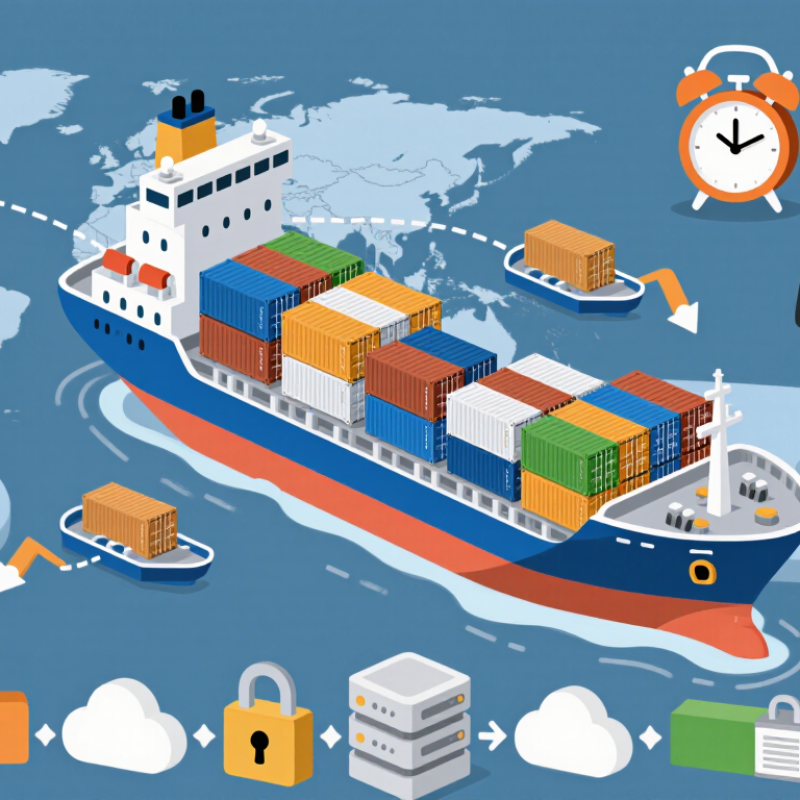
How to Choose Importer Security Filing ISF Services?

Understand the Purpose and Requirements of ISF Filing

How to Choose Importer Security Filing ISF Services?

Importer Security Filing, known as ISF or “10+2,” helps customs authorities assess ocean cargo risks before loading. U.S. Customs and Border Protection requires importers to submit ten data elements. Carriers submit two additional elements. Most information must arrive at least 24 hours before the vessel is loaded. The filing usually includes the seller, buyer, manufacturer, country of origin, delivery location, and container details. Accuracy matters more than speed. A wrong factory address can create delays, questions, or costly corrections.

UNCTAD’s Review of Maritime Transport 2023 states that ships carry over 80% of global merchandise trade by volume. That scale explains why early cargo data matters. The World Bank’s Logistics Performance Index 2023 also evaluates customs efficiency across 139 economies, showing how documentation affects supply-chain reliability. When comparing ISF services, check their data-validation process, filing timestamps, correction procedures, and communication records. Ask whether they review commercial invoices against packing lists. Ask who monitors late changes.

A practical provider should explain responsibility clearly. The importer remains accountable, even when an agent submits the filing. CBP guidance allows penalties of up to 5,000 dollars for certain ISF violations. That figure deserves attention. However, a cheaper service is not always riskier, and an expensive service is not automatically better. My own caution is simple: many selection checklists overlook supplier changes after booking. That weakness can quietly damage an otherwise accurate filing.

How to Choose Importer Security Filing (ISF) Services

A capable ISF service should collect accurate shipment data, validate the filing, monitor deadlines, and maintain amendment records. The chart below summarizes key timing requirements for ocean cargo subject to ISF.

For most U.S.-bound ocean cargo, the importer submits eight ISF data elements no later than 24 hours before the cargo is loaded onto the vessel. Under the 10+2 framework, the carrier separately submits the vessel stow plan within 48 hours after departure and container status messages within 24 hours of the relevant event. Actual filing obligations may vary by shipment type, so service providers should confirm the applicable ISF pathway and maintain complete documentation.

Compare ISF Service Providers and Their Industry Experience

Choosing an Importer Security Filing (ISF) service requires more than comparing prices. Experience matters when sailing schedules change, cargo details arrive late, or supplier data contains small inconsistencies. The World Bank’s 2023 Logistics Performance Index collected feedback from nearly 4,100 logistics professionals across 139 economies. Its results emphasize customs efficiency, tracking, and shipment timeliness. Ask providers how they measure these areas, not only how many filings they process.

Look for practical experience with different commodities, supplier networks, and port routes. A capable team should explain its data-verification steps, escalation process, and correction records clearly. U.S. Customs and Border Protection requires ISF information before vessel loading, generally at least 24 hours in advance.

Civil penalties can reach $5,000 per violation. Timing is not a minor detail. UNCTAD’s Review of Maritime Transport reports that ships carry over 80% of global merchandise trade by volume, so one weak filing process can affect a high-value supply chain.

Request anonymized performance figures, including on-time filing rates and average response times. A polished dashboard can still hide weak judgment. I would also test a provider with a sample shipment before committing. No service team is flawless; honest reporting about corrections is more credible than perfect-looking statistics.

Evaluate Filing Accuracy, Compliance Support, and Response Times

How to Choose Importer Security Filing ISF Services

A reliable ISF service begins with filing accuracy, not attractive pricing. Experienced teams verify importer details, supplier information, container data, and vessel schedules before submission. They compare booking confirmations with commercial documents to catch mismatched numbers. One small error can create costly delays and repeated corrections. Ask whether the provider uses document checklists, internal reviews, and secure records for every filing.

Compliance support should be practical and consistent. The service should explain required data clearly, monitor regulatory updates, and coordinate with customs professionals when information changes. It should also provide filing confirmations, correction procedures, and an accessible audit trail. Vague answers are a warning sign. A knowledgeable provider can explain what happens when a supplier submits incomplete details or changes cargo information late.

Response times deserve measurable standards. Ask when a message receives an initial reply, who handles urgent corrections, and how escalation works outside normal hours. A fast response is not enough if the answer lacks evidence. Request sample service levels and realistic correction timelines. No process is flawless. Supplier delays still happen, and human review can miss a detail. That is why transparent communication, documented checks, and thoughtful follow-up matter more than polished promises.

Review Pricing Models, Technology, and Customer Service

Choosing an Importer Security Filing service requires more than comparing monthly fees. Review the pricing model line by line. Some providers charge per shipment, while others use subscriptions or tiered volumes. Ask whether amendments, document storage, broker communication, and urgent corrections cost extra. A cheap quote may become expensive during a busy shipping week. In my experience, transparent invoices matter more than the lowest initial price.

Technology should reduce manual entry, not create another dashboard. The World Bank’s 2023 Logistics Performance Index evaluates customs, tracking, and shipment timeliness across 139 economies. These factors directly affect filing visibility and exception handling. Look for automated data validation, timestamped audit trails, secure integrations, and alerts before the 24-hour filing deadline. Maritime transport carries over 80% of global trade by volume, according to UNCTAD’s Review of Maritime Transport 2023. Small data errors can therefore repeat quickly across many containers.

Tips: Test the platform with a real shipment. Check how it handles missing manufacturer details, changed vessel schedules, and rejected data. Ask for a sample service-level agreement. Customer service should provide named escalation contacts, response targets, and clear after-hours coverage. Do not rely only on polished demonstrations. A live support test is more revealing. I would also question any provider promising zero errors; reliable systems still need informed human review.

Select an ISF Provider and Establish a Reliable Filing Process

A reliable ISF provider should understand your cargo, suppliers, and sailing schedule. The filing process cannot depend on one email thread. The U.S. Customs and Border Protection ISF guidance requires ten core data elements before shipment loading. Late or inaccurate filings can expose importers to penalties of up to $5,000 per violation. Choose a provider that assigns a trained specialist, records document ownership, and confirms deadlines in writing.

Build a repeatable process around a shipment-level checklist. The provider should collect commercial invoices, booking details, manufacturer information, and container data through a secure channel. It should also compare changes between purchase orders and final shipping documents. UNCTAD’s Review of Maritime Transport 2024 confirms that more than 80% of global merchandise trade moves by sea. Small data gaps can therefore affect many shipments. Ask for timestamped submission records, correction procedures, escalation contacts, and monthly accuracy reports.

A practical test is useful. Give the provider a sample shipment with missing information. Observe how quickly it identifies the gap and who receives the escalation. Do not judge service only by a low filing fee. A cheap process may create expensive rework. In operational reviews, manual spreadsheets still cause duplicated entries and missed updates. That weakness deserves honest attention. Automation helps, but it does not replace human review. The strongest arrangement combines system alerts, documented approvals, and a final pre-loading check. Based on CBP’s enforcement framework, your internal team should retain evidence of every submission, amendment, and communication.

FAQS

How should an importer compare filing service prices?

Compare each fee line by line. Check shipment charges, subscriptions, and volume tiers. Ask about amendments, storage, urgent corrections, and broker communication. A low monthly price may become expensive during a busy shipping week.

What technology should a filing platform provide?

Look for automated data validation, secure integrations, deadline alerts, and timestamped audit trails. The system should reduce manual entry. Another dashboard is not automatically useful.

Why are small data errors important?

One incorrect manufacturer detail can spread across several containers. Sea transport handles most global merchandise by volume. Repeated errors can create rework, delays, and confusing corrections.

How can an importer test a provider before selecting it?

Use a real or carefully prepared sample shipment. Remove one manufacturer detail and change the vessel schedule. Watch how the platform identifies the gap. A polished demonstration proves less than a live test.

What information should the filing process collect?

The process should collect invoices, booking details, manufacturer information, and container data. It should also compare purchase orders with final shipping documents. Secure document sharing matters.

How should filing deadlines be managed?

Use a shipment-level checklist with written deadlines. Confirm every submission before loading. Keep records of submissions, amendments, approvals, and communications. Memory is not enough.

What customer support features should an importer expect?

Ask for a named specialist, escalation contacts, response targets, and after-hours coverage. Test live support before signing. Slow replies become stressful near a filing deadline.

Can automation eliminate filing errors?

No system is flawless. Automation can validate data and send alerts, but trained people still need to review exceptions. I would question any promise of zero errors.

Conclusion

Choosing the right Importer Security Filing (ISF) Services provider is essential for maintaining an efficient and compliant import process. Start by understanding the purpose of ISF filing, the information required, and the deadlines that apply to your shipments. Then compare providers based on their industry experience, knowledge of customs procedures, filing accuracy, compliance guidance, and ability to respond quickly when questions or updates arise.

It is also important to review pricing structures carefully, including any setup, transaction, or support fees. Consider whether the provider offers reliable technology, shipment visibility, document management, and responsive customer service. After evaluating these factors, select a provider that matches your shipping volume, operational needs, and communication preferences. Establish a consistent filing process with clearly assigned responsibilities, timely document collection, and regular performance reviews to help reduce delays and support dependable international trade operations.

Amelia

Amelia

Amelia is a professional marketing specialist with extensive experience in developing clear, practical, and engaging content for business audiences. As a core member of the company’s marketing team, she combines market insight, customer understanding, and strong product knowledge to communicate how......