
0%

Choosing China’s best Bonded Warehousing and Fulfillment partner requires more than comparing storage prices. It requires evidence, operational discipline, and clear customs procedures.

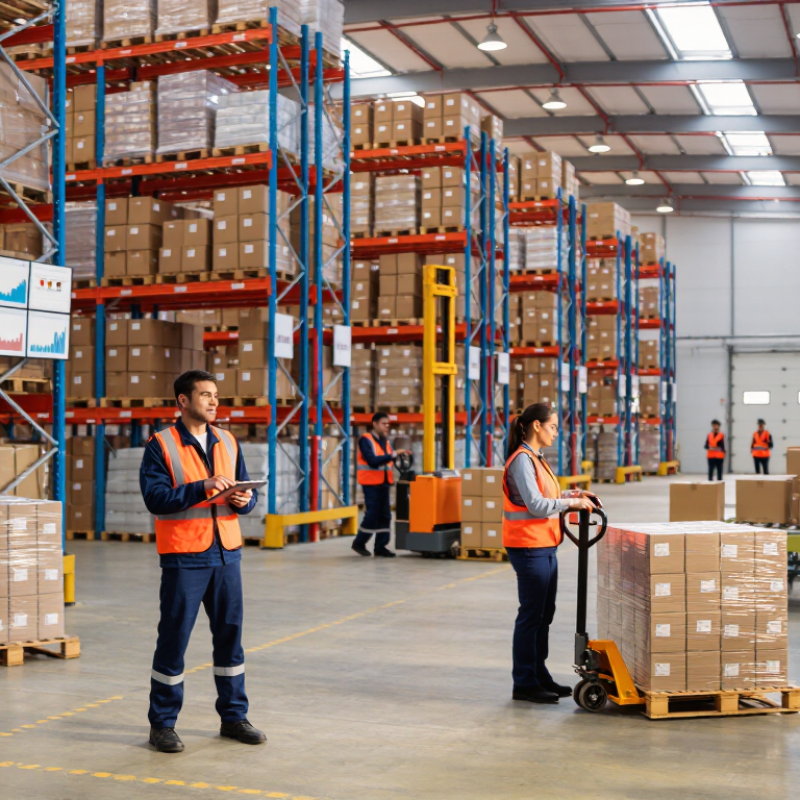
In practice, strong providers connect bonded storage with inventory control, order processing, labeling, packing, and compliant export documentation. Their facilities should show clean aisles, barcode scanning, secure access, and visible stock locations. A reliable warehouse can explain each handoff, from container arrival to final dispatch.

Martin Christopher, a respected supply chain scholar, describes this wider responsibility clearly: “The supply chain is the network of organizations that are involved, through upstream and downstream linkages, in the different processes and activities that produce value.”

That perspective matters in China. Bonded Warehousing and Fulfillment is not simply a cheaper storage option. It is a coordinated service network. Warehouse quality, customs experience, technology, and communication all affect delivery performance.

The strongest providers usually offer real-time inventory visibility. They also provide cycle-count records, exception alerts, and practical customer support. Ask for measurable service standards. Ask how damaged cartons, stock discrepancies, and delayed documents are handled.

Details matter.

Still, no provider is perfect. A large facility may lack flexibility, while a smaller operator may offer better attention but limited capacity. Published claims can also sound impressive without independent verification. This article compares leading China-based options through service scope, warehouse capability, fulfillment accuracy, compliance practices, technology, and customer experience.

The goal is not to name one universal winner. The better goal is finding the right operational fit for your products, shipping volume, sales channels, and long-term supply chain plans.
China Best Bonded Warehousing and Fulfillment Services?

What Are Bonded Warehousing and Fulfillment Services in China?

Bonded warehousing and fulfillment in China combines customs-controlled storage with order processing.

Goods enter a bonded zone before duties are paid. They can then be inspected, labeled, picked, packed, and dispatched after an order arrives. The process resembles a normal warehouse, but every inventory movement needs accurate records.

China Customs reported that cross-border e-commerce imports and exports reached RMB 2.63 trillion in 2024, increasing 10.8% year on year. This growth is expanding demand for compliant bonded fulfillment.

The service is useful for companies testing demand without placing all inventory into domestic circulation. A typical workflow includes overseas shipment, customs registration, bonded storage, online order matching, and final-mile delivery.

Duties and taxes depend on the product category, transaction method, and applicable policy.

Bonded does not mean tax-free.

That distinction matters. Operators should verify product documentation, declared values, SKU data, and return procedures before shipping.

The World Bank’s Logistics Performance Index highlights customs efficiency and shipment reliability as major logistics factors, which are also practical concerns in bonded operations.

A warehouse may promise fast dispatch, yet weak stock reconciliation can create delays.

A single incorrect barcode can hold an entire batch. It is not always cheaper. Service quality depends on system integration, trained staff, cycle counts, and transparent exception handling.

Businesses should request storage rules, processing times, inventory accuracy rates, and audit records.

China’s bonded model is powerful, but it requires careful planning and regular review.

How China’s Bonded Warehouses Operate Within Customs Regulations

China Best Bonded Warehousing and Fulfillment Services?

China’s bonded warehouses operate under customs supervision, not ordinary storage rules. Imported goods can remain inside the bonded zone while customs duties and import taxes are deferred. Goods must be declared accurately, recorded by batch, and stored in approved areas. Customs may review inventory, documentation, seals, and warehouse systems. A shipment usually needs commercial invoices, packing lists, transport records, and product information. Small errors can delay release.

When an order enters the domestic market, the operator submits the required import declaration and pays applicable duties and taxes. For re-export, the goods may leave China without domestic import clearance, subject to customs procedures and eligibility.

Fulfillment teams then pick, pack, label, and dispatch approved orders. Every movement should match the warehouse ledger. It sounds simple. It is not always simple. Product descriptions, quantities, and declared values must remain consistent across documents and systems.

Tips: Choose a warehouse with trained customs staff and traceable inventory software. Ask how it handles inspections, damaged stock, returns, and order changes. Keep product records current, especially when packaging or specifications change. Confirm requirements with qualified customs professionals before shipping. Regulations and local practices can differ, and operational assumptions may need review.

Which Services Are Included in Bonded Fulfillment Solutions?

China bonded fulfillment covers more than storing imported inventory. It connects customs control, warehouse handling, and final delivery. UNCTAD’s Review of Maritime Transport 2023 reports that over 80% of global trade by volume moves by sea. This scale makes accurate receiving and documentation essential.

Included services usually begin with container unloading, SKU counting, barcode scanning, and condition checks. Operators then record bonded stock in warehouse systems and match invoices, packing lists, and shipment data. Duties and taxes may remain suspended until goods enter the domestic market, depending on local rules. Pick-and-pack, relabeling, kitting, carton replacement, and order consolidation are also common. Some facilities support temperature monitoring and sealed cage storage.

The process continues after picking. Fulfillment teams can arrange inspection coordination, release documentation, last-mile dispatch, and return assessment. The World Bank’s Logistics Performance Index 2023 highlights customs efficiency, shipment reliability, and tracking as major logistics performance factors. These services require more than software. A misplaced carton can create inventory differences and delay release. Small errors matter. Regular cycle counts, access controls, photo records, and monthly reconciliation improve reliability. However, service boundaries are not always clear. Importers should confirm which party handles declarations, inspections, damaged goods, and return shipments before signing. A useful evaluation test is simple: ask for one complete order trace, from container receipt to customer delivery.

Which Services Are Included in Bonded Fulfillment Solutions?

A complete bonded fulfillment solution usually covers the full cross-border order cycle: bonded receiving, customs documentation support, inventory storage, pick-and-pack operations, value-added services, and returns handling. Bonded inventory remains under customs supervision until the required customs procedure is completed, helping businesses defer import duties and taxes where applicable.

How to Evaluate China’s Bonded Warehousing Providers

China’s bonded warehousing market needs more than low storage rates. China’s General Administration of Customs reported cross-border e-commerce trade of RMB 2.38 trillion in 2023. This growth increases pressure on inventory accuracy, customs documents, and release speed. Evaluate providers against your product flow, not their sales presentation.

Ask for recent audit records, warehouse licenses, and documented customs procedures. A reliable operator should explain duty suspension, inventory transfers, returns, and inspection handling clearly. The World Bank’s 2023 Logistics Performance Index ranked China 19th, with a score of 3.7. Strong national infrastructure helps, but local execution still varies. Request measured data for order accuracy, stock discrepancies, receiving time, and customs release time. Vague promises are weak evidence.

Walk through the warehouse if possible. Check barcode scans, cage security, camera coverage, fire controls, and temperature records. A carton should be traceable from unloading to final dispatch. Ask whether the warehouse management system connects with your inventory platform. Test one small shipment before signing a long contract. It exposes hidden delays.

Cost matters, but the cheapest quote can create expensive rework. Compare storage, handling, relabeling, inspection, system integration, and emergency fees separately. The International Trade Centre emphasizes transparent trade procedures and reliable logistics information. Providers should therefore share service-level reports, escalation contacts, and corrective-action records. No scorecard is perfect. I would still review failed orders, because polished performance data may hide operational weaknesses.

Which Businesses Benefit Most from Bonded Fulfillment Services?

Businesses with frequent cross-border inventory movements often benefit most from China bonded fulfillment services. Import duties and taxes can usually be deferred until goods enter the domestic market, subject to local customs rules. This improves cash flow for companies holding stock before final orders arrive. Seasonal sellers, overseas e-commerce merchants, and distributors with unpredictable demand are strong candidates.

The opportunity is significant. The United Nations Conference on Trade and Development reports that maritime transport carries over 80% of global merchandise trade by volume. China’s extensive port network can therefore support regional inventory positioning and faster order processing. The World Bank’s Logistics Performance Index 2023 also shows uneven customs efficiency across markets. A bonded facility may reduce clearance friction, but only with accurate product data and disciplined documentation.

High-value electronics, consumer products, replacement parts, and legally traded medical supplies may gain from this structure. Businesses serving several countries can consolidate goods, then release smaller shipments when demand becomes clearer. That reduces unnecessary duty payments and repeated international handling. However, the model is not automatically cheaper. Storage fees, inspection delays, classification errors, and minimum service charges can weaken the savings. A poor sales forecast may turn deferred tax into expensive idle inventory. Companies should compare landed cost, storage duration, return rates, and clearance performance before committing. Data from the World Trade Organization shows global goods trade volume fell 1.2% in 2023, reminding operators that demand assumptions remain fragile.

FAQS

What is bonded warehousing and fulfillment in China?

Goods stay in a customs-controlled warehouse before duties and taxes are paid. Inventory can be inspected, labeled, picked, packed, and dispatched after an order arrives. Bonded does not mean tax-free.

Why do companies use bonded fulfillment?

It helps businesses test demand without placing all inventory into domestic circulation. Companies may reduce early cash pressure and adjust stock more carefully. It is not always cheaper.

Which services are usually included?

Services often include unloading, SKU counting, barcode scanning, condition checks, storage, picking, packing, and dispatch. Some facilities also provide relabeling, kitting, carton replacement, inspection coordination, and return assessment. Service boundaries vary.

What documents and records require close attention?

Operators should match invoices, packing lists, declared values, SKU data, and shipment details. They should record every inventory movement accurately. One wrong barcode can delay an entire batch.

How can a business evaluate a bonded warehouse provider?

Request licenses, audit records, customs procedures, service-level reports, and inventory accuracy data. Ask for receiving times, stock discrepancy rates, and customs release times. Vague promises are weak evidence.

What should a warehouse inspection include?

Check barcode scanning, cage security, camera coverage, fire controls, and temperature records. Confirm that each carton remains traceable from unloading to final dispatch. Walk through the facility if possible.

Can the warehouse system connect with existing inventory software?

Ask whether the warehouse management system integrates with your inventory platform. Test order matching, stock updates, barcode scans, and exception alerts. Software alone is not enough.

What costs should be compared before signing a contract?

Compare storage, handling, relabeling, inspection, integration, emergency, and return fees separately. Also confirm who pays for damaged goods and additional customs work. The lowest quote may create expensive rework.

Should a company test the service before making a long commitment?

Yes, send one small shipment and trace it from container receipt to customer delivery. Review delays, stock records, exception handling, and final-mile dispatch. Test it first.

Conclusion

Bonded Warehousing and Fulfillment services in China provide a practical way for businesses to store, manage, and distribute imported or export-oriented goods under customs supervision. Products can remain in a bonded facility without immediate payment of import duties and taxes, provided that all storage, processing, transfer, and shipment activities follow applicable customs procedures. When goods enter the domestic market, duties and taxes are generally handled as required; when they are re-exported, the process may offer greater flexibility.

A complete bonded fulfillment solution may include inventory receiving, inspection, labeling, packaging, order processing, stock tracking, customs coordination, and domestic or international transportation. When evaluating a provider, businesses should consider facility location, customs compliance capabilities, inventory accuracy, technology systems, service responsiveness, security controls, and transparent pricing. These services are especially useful for cross-border e-commerce sellers, importers, exporters, manufacturers, and companies testing demand in the Chinese market while seeking better inventory flexibility and supply chain efficiency.

Nathan

Nathan

Nathan is a professional marketing specialist with extensive experience in developing clear, engaging, and results-driven content for modern businesses. As a dedicated member of our team, he has developed a deep understanding of the company’s products, services, and overall market position. His......