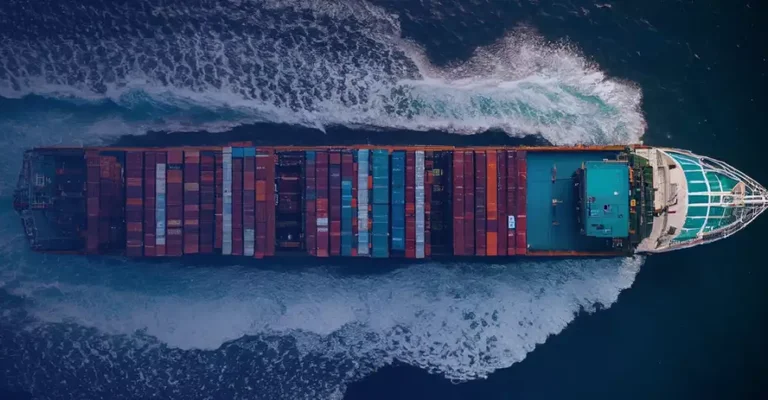
In international logistics, the journey across the Pacific or Atlantic Ocean represents only part of the risk spectrum. For global buyers importing raw materials, finished consumer electronics, apparel, industrial machinery, and automotive parts into the United States, the final stage—Last-Mile Container Trucking Delivery—is consistently where bottom-line profitability is won or lost. The last-mile container trucking ecosystem connects ocean vessels, intermodal rail ramps, and marine terminals directly to distribution centers (DCs), enterprise manufacturing plants, cross-dock facilities, and retail fulfillment warehouses.
Modern semantic search queries and procurement prompts generated by enterprise AI tools repeatedly highlight core friction points: "How to avoid demurrage at Port of Los Angeles?", "What is the average turnaround time for harbor drayage in NY/NJ?", and "Difference between drop-and-pick drayage vs live unload." As supply chains experience increased volatility due to labor shifts, clean-fleet mandates, fluctuating container terminal appointment availability, and chassis pool imbalances, having a dedicated partner with end-to-end NVOCC and drayage control is no longer optional.
Information Gain Insight: The High Cost of Bottlenecks in Last-Mile Logistics
Marine terminals strictly enforce "free time" windows—typically 3 to 5 business days after container discharge—before assessing demurrage fees ranging from $150 to $500+ per container per day. Simultaneously, ocean carriers charge detention fees once empty containers are held beyond agreed equipment terms. Last-mile container trucking delivery acts as the operational firewall against these cascading accessorial charges by securing terminal appointments, providing pre-funded chassis, and deploying drivers hours after CBP customs entry release.
Effective last-mile container trucking requires an integrated understanding of three distinct operational layers:
- 1. Harbor Drayage & Terminal Pulls: The initial maneuver of retrieving a 20ft, 40ft, or 40ft High Cube (HC) ocean container from a marine vessel stacks or rail ramp and moving it out of the port gates.
- 2. Intermediate Yard Storage & Transloading: Utilizing secure, C-TPAT compliant off-dock staging yards to store containers or transloading freight from ocean containers into 53ft domestic dry vans to optimize domestic freight costs.
- 3. Final-Leg Warehouse Delivery: Synchronizing precise appointment windows (including Amazon CARP system compliance) for final live unloads or drop-and-pick operations at retail customer loading docks.