
Featured Global Freight & Distribution Offerings for KSA Exporters
Direct ocean FCL/LCL, express air freight, door-to-door DDP, and bonded warehousing services tailored for seamless Riyadh market distribution.
Fast Boat Sea FCL/LCL Express Freight Service
High-speed ocean freight consolidation with prioritized berth access, ideal for replenishment cycles into Saudi Arabia and global hubs.
Inquire Now
Turnkey DDP Door-to-Door Multimodal Forwarding
End-to-end duty-paid freight forwarding featuring full customs brokerage, tax clearance, and last-mile delivery to Riyadh warehouses.
Inquire Now
Full Container FCL Duty-Paid Landed Delivery
Dedicated container shipping solutions providing seamless clearance, port drayage, and direct unloading at distribution parks.
Inquire Now
Standard 20GP/40GP/40HQ Ocean Container Logistics
Comprehensive port-to-port and port-to-door ocean liner shipping under FMC-licensed house bills of lading with direct space allocations.
Inquire Now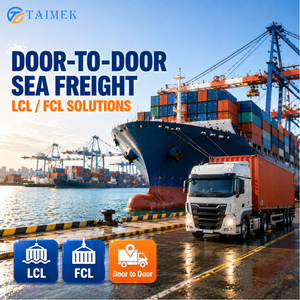
Import Handling & FCL Inland Distribution Support
Integrated port terminal handling, customs documentation inspection, and rapid onward trucking for commercial shipments.
Inquire Now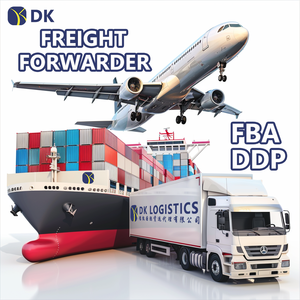
Global Middle East Freight & Transshipment Routing
Strategic ocean shipping connecting Asian manufacturing centers directly to GCC gateways including Dubai, Oman, Jeddah, and Dammam.
Inquire Now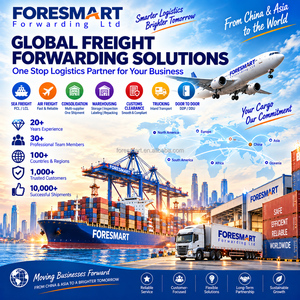
Integrated Container Logistics & Bonded Storage
Scalable container freight forwarding combined with origin consolidation and destination bonded warehousing for maximum tax efficiency.
Inquire Now
Air & Sea Hybrid Cargo Forwarding with Duty Pre-Clearance
High-priority air freight and sea-air multimodal logistics supported by proactive HTS coding and pre-arrival document verification.
Inquire NowThe Strategic Imperative of Warehouse Distribution in Riyadh
As the capital city of Saudi Arabia and the economic powerhouse of the Gulf Cooperation Council (GCC), Riyadh is undergoing an unprecedented logistical transformation. Under the ambitious framework of Saudi Vision 2030 and the National Industrial Development and Logistics Program (NIDLP), the Kingdom is establishing itself as a premier global logistics hub connecting Asia, Europe, and Africa. For international exporters, suppliers, and enterprise procurement managers, mastering the logistics corridor into Riyadh is no longer merely an operational task—it is a core strategic advantage.
Navigating the Riyadh warehousing ecosystem requires a sophisticated understanding of localized customs clearance platforms (such as FASAH), product compliance standards enforced by SABER and the Saudi Food and Drug Authority (SFDA), and tax integration under ZATCA (Zakat, Tax and Customs Authority). As an FMC-licensed NVOCC and C-TPAT certified global logistics architect, our organization bridges international supply chains directly into Riyadh's principal industrial corridors—including Al Sulay, Al Mashael, King Khalid International Airport (RUH) Cargo Zone, and the Special Integrated Logistics Zone (SILZ).
High-Impact Distribution Scenarios across Riyadh Districts
Custom-engineered supply chain execution tailored to the unique operational environments of Riyadh's major industrial and commercial sectors.
1. E-Commerce Fulfillment in Al Sulay & Al Mashael Industrial Hubs
With Saudi Arabia's e-commerce market accelerating rapidly, major retail platforms require rapid deconsolidation of ocean containers arriving from China, India, and Southeast Asia. Our distribution workflows coordinate immediate container drayage from King Abdulaziz Port Dammam or Jeddah Islamic Port via rail/truck corridors straight into 3PL facilities in Al Sulay. We enable automated SKU breakdown, cross-docking, and integration with Saudi Post (SPL) National Address systems for localized last-mile delivery.
2. Cold-Chain Logistics for SFDA-Regulated Pharmaceuticals & Food
Importing temperature-sensitive goods through King Khalid International Airport (RUH) requires strict adherence to SFDA cold-chain directives. Our localized supply solutions provide reefer container transport, continuous thermal monitoring, and direct transfer into humidity-controlled climate warehouses in Riyadh. We manage pre-arrival document verification to avoid border inspection delays and product degradation.
3. Heavy Machinery & Giga-Project Logistics (NEOM, Qiddiya, Diriyah)
Riyadh serves as the principal command and distribution center for Saudi Arabia's massive infrastructure projects. Oversized equipment, structural materials, and industrial components shipped via FCL or breakbulk are managed through dedicated project-freight teams. We coordinate bonded inland transit from port gateways directly to Riyadh staging grounds, managing specialized flat-rack and open-top container logistics.
4. Bonded Warehouse Transshipment & Special Logistics Zones (SILZ)
For international exporters seeking a Middle Eastern redistribution hub, Riyadh’s Special Integrated Logistics Zone (SILZ) offers zero-vat bonded inventory holding. Our NVOCC logistics network allows global suppliers to store inventory in Riyadh tax-deferred, executing fast outbound re-exports to GCC neighbors (UAE, Kuwait, Oman, Bahrain) or localized release into the Saudi market upon duty clearance.
Macro Trends Transforming Riyadh’s Supply Chain Landscape
Key economic, regulatory, and technological shifts reshaping warehouse procurement and export logistics in Saudi Arabia.
1. Digital Customs Integration via FASAH & ZATCA
Saudi Arabia has modernized customs clearance via the mandatory FASAH platform and ZATCA E-Invoicing (Fatoora Phase 2). Exporters must ensure digital matching of commercial invoices, bills of lading, and HTS codes prior to vessel berth to achieve 24-hour clearance standard.
2. Mandatory SABER & SASO Product Certification
Non-agricultural commercial imports into Riyadh require product and shipment conformity certificates issued through the SABER online portal. Warehousing suppliers must verify HTS alignment to prevent costly container demurrage at Jeddah or Dammam ports.
3. Shift Toward Automated & High-Density Warehousing
Industrial land demand in Riyadh's central corridors has driven a move toward vertical, high-density warehousing equipped with automated Warehouse Management Systems (WMS), IoT tracking, and automated guided vehicles (AGVs) to reduce labor overhead.
Proven Global Freight Capability Meets Localized Saudi Expertise
Backed by over two decades of international freight forwarding heritage, FMC licensing, and direct carrier contracts.
FMC-Licensed NVOCC Authority
We issue our own House Bills of Lading (HBL) and maintain direct contract allocations with top-tier ocean container shipping lines, ensuring guaranteed space and stable freight rates even during peak seasons.
C-TPAT & IATA Certified Security
Our operational framework strictly adheres to international security and customs compliance standards, reducing physical border audits and accelerating release timelines at key Saudi entry points.
Proprietary Visibility Platform
Gain full transparency over your shipment milestones. Monitor container locations from Asian factory floors through ocean transit to final gate-in at your Riyadh distribution facility in one centralized platform.
Frequently Asked Questions for Importing & Distributing in Riyadh
Expert clarity on regulatory compliance, transport corridors, customs duties, and operational logistics in Saudi Arabia.
What is the most efficient sea freight port route for shipping containers to Riyadh?
Importers shipping to Riyadh typically utilize two main sea port gateways: King Abdulaziz Port in Dammam (East Coast) and Jeddah Islamic Port (West Coast). Container cargo arriving in Dammam is efficiently transferred to Riyadh via the Saudi Railway Company (SAR) freight rail line or inland highway (approx. 400 km). Shipments landing at Jeddah are trucked via the Makkah-Riyadh expressway (approx. 950 km). Choice of port depends on origin ocean carrier schedules, transit lead times, and inland freight costs.
How do SABER and FASAH impact warehouse delivery timelines in Riyadh?
SABER registration ensures that imported products meet Saudi Arabian Standards Organization (SASO) safety and quality metrics. Without a valid Product Certificate of Conformity (PCoC) and Shipment Certificate of Conformity (SCoC) issued on SABER, customs clearance via the FASAH portal will be blocked. Having all certifications linked prior to vessel departure avoids demurrage and storage penalties at the port of entry.
Can your service handle DDP (Delivered Duty Paid) shipments directly to a warehouse in Al Sulay?
Yes. Our DDP service covers ocean/air freight booking, origin export documentation, destination customs brokerage, payment of Saudi customs duties (typically 5% for standard goods, higher for protected domestic items), 15% VAT processing through ZATCA, port drayage, and final offloading at your specified distribution center or warehouse in Al Sulay, Al Mashael, or northern Riyadh industrial parks.
What is the advantage of using bonded warehousing in Riyadh versus standard storage?
Bonded warehouses (and Special Integrated Logistics Zones like SILZ) allow commercial enterprise buyers to store imported goods without immediate payment of customs duties and 15% VAT. Duty and tax obligations are triggered only when the goods are cleared for domestic sale into the Saudi market. If products are re-exported to other GCC nations, duty payments can be avoided altogether.
How are customs duties and VAT calculated for goods imported into Saudi Arabia?
Saudi Arabia applies the GCC Unified Customs Tariff. Customs duty is generally calculated on the CIF (Cost, Insurance, and Freight) value of the shipment. Standard duty rates are 5%, though certain items may carry zero rate or elevated tariff rates (up to 12-15%) to protect local industry. Additionally, a 15% Value Added Tax (VAT) is levied on the total combined CIF value plus duty amount during ZATCA customs assessment.
What documentation is strictly required for seamless customs clearance into KSA?
To clear commercial shipments through Saudi customs, buyers must provide: (1) Commercial Invoice stating HTS codes and country of origin; (2) Detailed Packing List; (3) Original Bill of Lading (or Sea Waybill / Air Waybill); (4) Certificate of Origin legalized by an approved chamber of commerce; (5) SABER Shipment Certificate; and (6) Proof of Commercial Registration (CR) with appropriate activity permissions in Saudi Arabia.
Optimize Your Supply Chain Corridor into Riyadh
Consult with our senior supply chain strategists today. We provide personalized ocean/air freight rate calculations, compliance reviews, and localized distribution management across Saudi Arabia and the GCC.
Inquire Now