
Integrated German & Global Distribution Solutions
Direct ocean freight capacity, custom port drayage, bonded fulfillment, and licensed NVOCC door-to-door forwarding optimized for Central European industrial lanes.
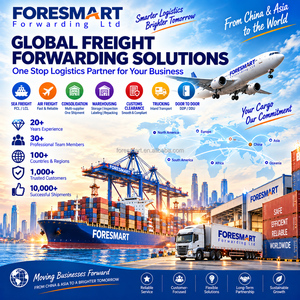
Navigating Germany’s Warehouse Distribution & Logistics Ecosystem
As Europe’s economic powerhouse, Germany demands unprecedented precision in supply chain execution. Modern manufacturers and B2B procurement leaders require scalable fulfillment hubs, seamless port connectivity, and absolute regulatory compliance across the European Single Market.
Golden Triangle Infrastructure
Strategic positioning within Rhine-Ruhr, Frankfurt/Main metropolitan, and Hamburg logistics corridors. Our distribution network maximizes access to over 450 million European consumers via automated cross-docking hubs.
LkSG & Regulatory Compliance
Full alignment with the German Supply Chain Due Diligence Act (Lieferkettensorgfaltspflichtengesetz). We ensure environmental responsibility, labor standards, and audited audit trails for enterprise procurement.
Real-Time Automated Tracking
Direct API integration into ocean carrier feeds and German rail/road telematics. Monitor every full container load (FCL) and consolidated batch (LCL) from origin manufacturing gates straight to domestic DC racks.
High-Yield Application Scenarios Across German Industrial Hubs
Tailored freight handling, bonded warehousing, and last-mile logistics engineered specifically for Germany's primary manufacturing and trade sectors.
Baden-Württemberg & Bavarian Production Corridors
Automotive tier-1 and tier-2 suppliers operating in Stuttgart, Munich, and Nuremberg require flawless Just-In-Time (JIT) and Just-In-Sequence (JIS) component delivery. By maintaining bonded buffer stock near regional assembly plants, our warehouse systems prevent line-stoppage penalties while handling complex import duty deferrals via ATLAS integration.
Frankfurt / Rhine-Main Multi-User Logistics Hubs
For high-volume consumer goods entering Europe, our Frankfurt warehousing infrastructure functions as a centralized gateway. Goods arriving via ocean at Hamburg or Bremerhaven—or air cargo via Frankfurt Airport (FRA)—are deconsolidated, quality-checked, and distributed across Germany, Austria, and Benelux within 24–48 hours.
North Rhine-Westphalia Heavy Industrial Network
Handling heavy machinery, heavy-duty 40HQ/Open Top containers, and specialized equipment throughout the Ruhrgebiet demands robust intermodal drayage. Combining barge transport along the Rhine with specialized low-boy trucking ensures heavy industrial components reach manufacturing facilities with zero demurrage overhead.
GDP-Compliant Temperature-Controlled Networks
German pharmaceutical leaders require strict Good Distribution Practice (GDP) adherence. Our specialized logistics protocols provide continuous temperature logging, thermal-blanket container insulation, and expedited customs inspection lanes for sensitive biologicals and specialty chemicals entering European trade lanes.
Legacy Forwarding vs. Tech-Driven NVOCC Distribution
Why modern German enterprise buyers are transitioning to integrated, FMC-licensed NVOCC partners over legacy freight broker networks.
| Operational Parameter | Legacy Freight Forwarders | Integrated NVOCC Warehousing Solution |
|---|---|---|
| Carrier Rate & Space Contracts | Secondary broker margins; prone to peak-season rolled cargo | Direct carrier service contracts; guaranteed FCL allocations |
| German Customs Clearance | Outsourced third-party brokers with communication friction | In-house licensed compliance team with direct ATLAS integration |
| Demurrage & Storage Control | Reactive alert systems resulting in costly port storage fines | Proactive 24-hour terminal monitoring & automated drayage dispatch |
| Supply Chain Transparency | Manual email updates and fragmented tracking spreadsheets | Single-login cloud platform with milestone alerts & telemetry |
| ESG & LkSG Compliance | Basic compliance statements without verifiable data audits | Audited supply chain workflows aligning with German federal laws |
The German Import & Warehouse Distribution Lifecycle
Five synchronized phases eliminating delays, tariffs risk, and storage bottlenecks from foreign port departure to local warehouse placement.
Origin Booking
FCL container allocation under direct carrier contracts; HTS code verifications performed at origin gate.
Compliance Filing
Pre-arrival ISF 10+2 filings and EU ENS (Entry Summary Declaration) submitted prior to vessel loading.
Ocean & Transit
Real-time satellite vessel tracking; active temperature and security sensor logging across oceanic transit.
Port & Customs
Vessel berth notification, automated ATLAS customs clearance, and immediate drayage within free-time limits.
DC Fulfillment
Cross-docking, palletization, bonded warehousing, and last-mile truck transport to German enterprise sites.
Why Global Manufacturers Partner With Our Network
Combining over two decades of global logistics mastery with specialized domestic European execution.
Licensed NVOCC Authority
Founded in 1999, our FMC-licensed Non-Vessel Operating Common Carrier (NVOCC) status allows us to issue house bills of lading, secure space directly with major ocean alliances, and guarantee tariff stability across volatile markets.
Integrated Trucking & Drayage
With dedicated container drayage capacity at major northern European ports (Hamburg, Bremerhaven, Rotterdam, Antwerp), we bypass port congestion and eliminate costly terminal demurrage and detention charges.
End-to-End Customs Management
Our trade compliance specialists manage full customs entry, classification audits, HTS verification, and anti-dumping duty assessments to ensure total compliance with German federal customs authorities (Zoll).
Frequently Asked Questions for Germany Procurement
Technical clarity on customs clearance, warehouse storage standards, transit schedules, and localized delivery logistics.
How do your warehouse distribution services integrate with German ATLAS customs processing?
Our logistics ecosystem interfaces directly with the German customs authority's automated ATLAS (Automatisiertes Tarif- und Lokales Zoll-Abwicklungs-System) software. This allows for pre-lodged customs entries prior to vessel berthing at European seaports, facilitating immediate release, minimizing port dwell times, and enabling seamless transfer into bonded warehouse facilities.
What primary trade corridors do you service into the German market?
We operate major ocean FCL/LCL routes connecting key manufacturing hubs in Asia (Shanghai, Ningbo, Shenzhen, Nhava Sheva) and North America directly to Germany’s primary entry ports: Hamburg and Bremerhaven, as well as gateway ports Rotterdam and Antwerp with bonded rail/barge feeder services into western Germany.
What measures are taken to avoid demurrage and detention at German seaports?
Demurrage and detention fees accrue quickly at major ports like Hamburg. We mitigate this risk by utilizing real-time vessel tracking, issuing early arrival notifications, submitting ISF/ENS data well in advance, and pre-booking container drayage trucks within free-time windows. Our dedicated port operations team monitors terminal equipment availability 24/7.
Can your facilities support specialized bonded storage and value-added fulfillment?
Yes. Our warehousing solutions include customs-bonded storage (Offenes Zolllager), allowing importers to defer duty and Import VAT (Einfuhrumsatzsteuer) until products enter local commerce. Value-added services include palletization according to European EPAL standards, shrink-wrapping, Kitting, serial number scanning, and direct B2B/B2C fulfillment.
How does your logistics process assist compliance with the German Supply Chain Due Diligence Act (LkSG)?
We provide full operational transparency across all transport legs. Our digital platform archives carrier certifications, environmental compliance audits, equipment safety metrics, and subcontractor documentation, giving enterprise procurement teams complete audit-ready records required by German federal regulators.
What is the typical ocean transit time from Asia to German industrial centers?
Ocean freight transit times typically range from 28 to 38 days depending on the origin port and routing (e.g., direct ocean vs. transshipment). Once the vessel berths at Hamburg or Rotterdam, inland drayage or barge transfer to distribution warehouses across North Rhine-Westphalia, Bavaria, or Baden-Württemberg takes an additional 24 to 72 hours.
What cargo documentation is required for importing goods into Germany?
Key required documentation includes the Commercial Invoice, Packing List, Bill of Lading (or House Air Waybill), Certificate of Origin (where applicable for tariff preferences), correct 10-digit EU HTS Classification Code, and safety/compliance certificates (such as CE markings). Our compliance team conducts pre-shipment audits on all documentation to prevent customs delays.
How do I initiate a commercial quote or operational consultation for German distribution?
Click the "Inquire Now" button on any product card or use our quick inquiry portal below. Submit your cargo dimensions, container volume (FCL or LCL), origin manufacturing site, and target delivery destination in Germany. A dedicated logistics specialist will respond with a comprehensive freight and fulfillment proposal.
Optimize Your German Supply Chain Today
Connect with our senior freight architecture team to review route efficiency, customs tariff optimization, and bonded warehouse availability across Central Europe.