
Optimized Cross-Border Logistics & Warehousing Catalog
Direct ocean, air, and 3PL warehousing programs tailored for Australian trade corridors (Sydney, Melbourne, Brisbane, Fremantle).
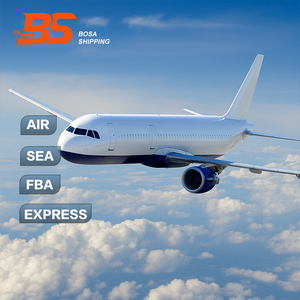
Best Price Fast Boat Ocean Freight FCL/LCL Service
Express containerized sea freight connecting major Asian port hubs directly to Port Botany (Sydney) and Swanson Dock (Melbourne) with expedited 11–14 day transit times.
Inquire Now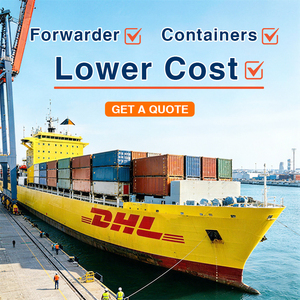
Multi-Destination DDP Sea & Air Forwarding Agent
Full turn-key Delivered Duty Paid (DDP) solutions including customs brokerage, GST deferral processing, and door-to-door drayage across AU metro zones.
Inquire Now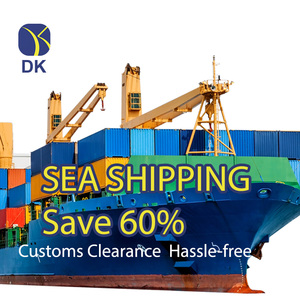
Oceania & Pacific Door-to-Door Duty Paid Container Freight
Specialized regional feeder service covering Australia, Papua New Guinea, and Pacific Island logistics networks with full duty-paid compliance.
Inquire Now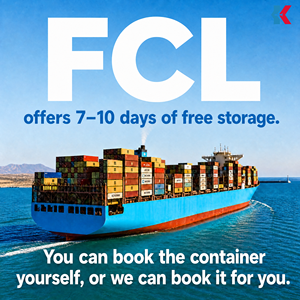
Standard & High-Cube (20GP / 40GP / 40HQ) Ocean Lines
Dedicated container allocations under tier-1 carrier service contract agreements, guaranteeing space lock during peak shipping seasons.
Inquire Now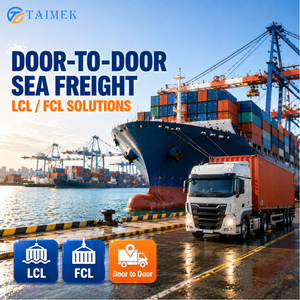
Industrial FCL Import Handling & Warehousing Support
End-to-end heavy industrial product transportation, bonded warehousing, cross-docking, and specialized container drayage for mining & construction.
Inquire Now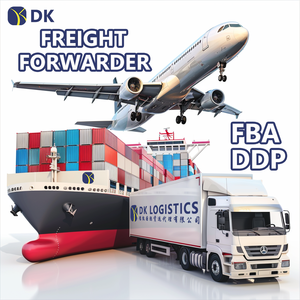
Global Ocean Freight & Multimodal Supply Chain Forwarding
Comprehensive international supply chain orchestration leveraging real-time tracking platforms and strategically located origin consolidation hubs.
Inquire Now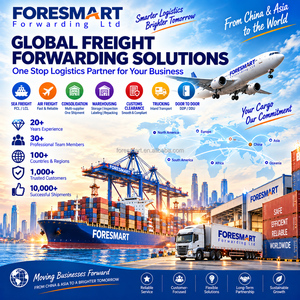
China-to-Australia Direct Ocean Lines & Port Drayage
Direct port-to-port ocean services with automated Australian Border Force (ABF) entry filing and zero-demurrage terminal pickup management.
Inquire Now
Express Air & Ocean Cargo DDP Distribution Solution
Integrated air charter, express air freight, and ocean FCL/LCL combined with last-mile Australian 3PL fulfillment and Amazon AU warehouse delivery.
Inquire NowExecutive Report: Navigating Asia-to-Australia Cross-Border Supply Chains
Australia’s geographic isolation, combined with its highly stringent biosecurity enforcement by the Department of Agriculture, Fisheries and Forestry (DAFF) and strict customs oversight by the Australian Border Force (ABF), makes cross-border logistics one of the most complex operational environments globally. For Australian importers, retailers, and industrial enterprises, choosing top-tier supply chain warehousing factories and exporting partners is not merely a purchasing decision—it is a critical determinant of supply chain resilience, landed cost efficiency, and brand compliance.
Over the past decade, bilateral trade between Asian manufacturing epicenters and Australian consumption nodes has shifted from transactional freight forwarding to fully integrated, end-to-end supply chain orchestration. Modern supply chains demand robust origin warehousing, pre-shipment quality control, automated cargo consolidation, and strict adherence to international maritime compliance frameworks such as FMC NVOCC licensing and C-TPAT security standards.
Key Supply Chain Imperative: Information Gain & Structural Control
Successful Australian importers prioritize logistics partners that own the data loop—combining physical origin warehousing assets with direct NVOCC carrier contracts to eliminate intermediary markups, prevent detention/demurrage fees at Australian container terminals, and mitigate biosecurity hold risks prior to ocean departure.
1. The Anatomy of Australia's Primary Port Corridors
Understanding port mechanics is essential for optimizing landed costs. Australia’s primary import gateways handle millions of TEUs (Twenty-Foot Equivalent Units) annually, each presenting unique drayage, storage, and customs dynamics:
- Port Botany (Sydney, NSW): Australia's largest container port for high-value consumer goods, retail electronics, and apparel. Facilities require pre-scheduled vehicle appointment system (VBS) slots to prevent terminal congestion.
- Swanson Dock & Victoria Dock (Melbourne, VIC): The premier hub for automotive components, industrial machinery, and fast-moving consumer goods (FMCG). Melbourne serves as the central distribution node for Victoria, South Australia, and Tasmania.
- Fisherman Islands (Brisbane, QLD): Key entry point for building materials, solar energy infrastructure, and agricultural machinery destined for Queensland’s expanding regional infrastructure projects.
- Fremantle Ports (Perth, WA): The gateway to Western Australia’s resource sector, demanding specialized heavy-lift, breakbulk, and mining-grade supply chain warehousing support.
2. Biosecurity (BICON) & ABF Compliance: Eliminating Border Bottlenecks
The Australian Department of Agriculture, Fisheries and Forestry (DAFF) enforces some of the world's strictest quarantine regulations. Non-compliant timber packaging, soil contamination, or improper Brown Marmorated Stink Bug (BMSB) treatments can lead to immediate re-export orders or catastrophic cargo destruction at the importer's expense.
Top-performing export factories and forwarders integrate ISPM-15 compliant heat-treated pallets, mandatory offshore BMSB fumigation during the September–April risk season, and digital submission of Clean On-Board Bills of Lading and Certificates of Origin under the China-Australia Free Trade Agreement (ChAFTA) to ensure zero-duty tariff preferences.
Supply Chain Application Scenarios Across Australian Sectors
Tailored cross-border logistics strategies built for Australia’s primary economic engines.
Omnichannel E-Commerce & Retail (Amazon AU / Catch)
Scenario: Australian e-commerce merchants expanding across Sydney and Melbourne regional distribution centers require high-velocity inventory turnover with zero stockouts.
Solution Package:
Origin LCL consolidation, SKU barcode labeling, Amazon FBA pallet prep, express fast-boat transit to Port Botany, and integrated 3PL cross-docking for same-day metro order fulfillment.
Mining, Heavy Equipment & Resources (WA & QLD)
Scenario: Mining operations in the Pilbara (Perth port entry) require oversized industrial equipment, replacement gears, and heavy machinery parts delivered under zero-downtime schedules.
Solution Package:
Breakbulk and Flat-Rack FCL ocean freight, heavy-lift drayage trucks, bonded storage, and automated ABF customs classification for specialized duty concessions.
Renewable Energy & Solar Infrastructure (National)
Scenario: Utility-scale solar farms and commercial energy projects importing thousands of photovoltaic modules, lithium batteries, and solar inverters.
Solution Package:
Dangerous Goods (DG) certified ocean container shipping, temperature-monitored bonded warehousing, staged site deliveries, and ChAFTA preferential tariff verification.
Key Australia Cross-Border Supply Chain Trends (2025–2030)
| Macro Trend | Supply Chain Impact | Strategic Optimization Response |
|---|---|---|
| 1. Near-City 3PL Warehousing Expansion | Rising industrial land costs in Sydney and Melbourne force importers to seek hybrid origin-warehousing and bonded cross-docking models. | Shift secondary SKU storage to low-cost Asian consolidation hubs; ship directly to Australian regional DCs in smaller FCL batches. |
| 2. BMSB Fumigation Seasonality Strictness | DAFF increases seasonal target risk countries and high-risk goods mandates, expanding quarantine hold times at major ports. | Implement certified offshore treatment at origin factory warehouses prior to vessel loading, avoiding $3,000+ per-container Australian port demurrage fees. |
| 3. ESG & Green Maritime Corridors | Major Australian public retailers mandateScope 3 carbon emissions auditing across international freight networks. | Deploy bio-fuel ocean vessels, optimized multi-modal rail-over-road logistics, and carbon-neutral warehouse consolidation programs. |
| 4. Automation & Real-Time API Visibility | Traditional manual freight updates fail to meet fast-paced Australian retail and manufacturing replenishment schedules. | Integrate direct carrier API tracking, automated port terminal milestone alerts, and predictive ETA risk scoring platforms. |
Core Competitive Advantages of Our Supply Chain Network
Combining 25+ years of FMC-licensed NVOCC authority with modern digital technology and localized Australian distribution capabilities.
FMC-Licensed NVOCC & C-TPAT Certified
We issue our own House Bills of Lading (HBL) and contract directly with ocean shipping lines, guaranteeing priority vessel space allocations, fixed contractual rates, and absolute control over cargo routing.
In-House ABF Customs & Duty Optimization
Our licensed customs brokers audit HTS classification, evaluate ChAFTA zero-duty qualification, and utilize Australian Deferred GST schemes to maximize working capital for local buyers.
Dual-End Warehousing & 3PL Footprint
Operating owned export warehouses across key Asian port cities alongside contracted 3PL distribution networks in Sydney, Melbourne, and Brisbane for total supply chain coverage.
Frequently Asked Questions by Australian Importers
Essential guidance on customs, tariffs, biosecurity, and container logistics for local procurement teams.
Optimize Your Australia-Bound Supply Chain Today
Connect directly with our senior cross-border logistics specialists to audit your trade lane, calculate landed costs, and secure competitive ocean & air rates.