
Enterprise Tariff Compliance & Cross-Border Logistics Products
Specialized compliance infrastructure, pre-shipment auditing, and international freight forwarding solutions designed for manufacturers exporting to West Africa, North America, and Europe.

Tariff Prepaid DDP Shipping & Oversized Heavy Cargo Trucking Compliance Services
Double Customs Clearance & Duty-Paid DDP Air & Ocean Freight Forwarding Hub

International Trade Compliance Pre-Shipment Quality Inspection & Certification Architecture

Cross-Border E-Commerce 9610/9710/9810 Compliance Customs Declaration & Tax Refund System
Specialized Trade Compliance & Duty Optimization Heavy Haul Freight Network
Customs Duty Optimization, VAT Regulatory Compliance & Import Tax Drawback Services
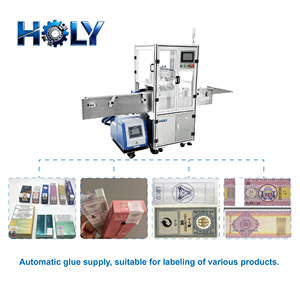
Anti-Counterfeit Tax Stamp Application System with Vision Verification for Excise Duty Compliance
Navigating Nigeria’s Trade & Regulatory Ecosystem: Technical Blueprint for Exporters
An authoritative breakdown of Harmonized System (HS) classifications, PAAR protocols, SONCAP compliance, and Central Bank of Nigeria (CBN) foreign exchange trade mechanisms.
ECOWAS Common External Tariff (CET) Alignment
Exporting to Nigeria requires rigorous adherence to the ECOWAS Common External Tariff (CET) regime, supplemented by national fiscal levies (NAC, Import Adjustment Tax). Misclassification of Harmonized System (HS) codes leads to sever demurrage, cargo seizures, or 25% to 35% duty reassessments by the Nigeria Customs Service (NCS).
- Precision HS Code auditing to avoid demurrage at Apapa & Tin Can ports
- Inclusion of National Advisory Council (NAC) levies into landed cost modeling
- ECOWAS Trade Liberalization Scheme (ETLS) regional origin documentation
PAAR & SONCAP Compliance Architecture
Every commercial consignment entering Nigeria must generate a valid Pre-Arrival Assessment Report (PAAR) issued by the NCS. PAAR generation relies on pre-shipment documentation including the e-Form M, Final Invoice, Bill of Lading, and SONCAP Certificate (CoC) issued by accredited international inspection agents.
- Product Certificate (PC-1, PC-2, PC-3) factory audits prior to shipment departure
- e-Form M registration via Central Bank of Nigeria (CBN) Trade Monitoring System
- Automated PAAR query resolution with NCS headquarters in Abuja
Excise Stamp & Vision Verification Technology
To combat illicit trade and secure excise revenues, the Federal Ministry of Finance enforces track-and-trace requirements. Manufacturers of beverage, tobacco, consumer goods, and industrial products must integrate Vision Verification Anti-Counterfeit Tax Stamp Systems directly into production and packaging lines.
- High-speed automated tax stamp application with zero throughput latency
- Machine-vision optical recognition for excise code validation
- Seamless integration with customs excise portal verification APIs
Nigeria Import Compliance Regulatory & Duty Framework Matrix
| Product Category | ECOWAS CET Duty | Mandatory Regulatory Permit | Inspection Regime | Key Compliance Risk & Mitigation Strategy |
|---|---|---|---|---|
| Industrial Machinery & Equipment | 5% - 10% | SONCAP PC-2 / CoC | Pre-Shipment Inspection (PSI) | High risk of valuation query by NCS; mitigate via audited manufacturer invoice & machinery valuation certificate. |
| FMCG & Packaged Foods | 20% - 35% + Levy | NAFDAC Import Permit | Laboratory Analysis & Port Sampling | Product detention at port due to label non-compliance; ensure dual English/Local language formatting and NAFDAC registration numbers. |
| Pharmaceuticals & Chemicals | 0% - 5% (Duty Exemptions) | NAFDAC CRIA & Special License | Clean Report of Inspection & Analysis | Strict temperature monitoring and batch-level COA verification required; green-channel corridor clearance essential. |
| Finished Luxury & Excise Goods | 35% + 20% Excise Levy | Excise Duty Stamp / Tax Verification | Vision-Verified Serialization | Counterfeit risk and seizure under excise tax acts; deploy vision-verified anti-counterfeiting digital stamps at source factory. |
| Automotive & CKD Components | 10% - 35% NAC Levy | NADDC Assembly Permit | Standards & Chassis Verification | VIN verification delays; require pre-cleared chassis numbers and NADDC approval before vessel berthing. |
Localized Application Scenarios in Nigeria’s Strategic Ports & Trade Corridors
Real-world trade execution models demonstrating how global manufacturers utilize compliant supply chain networks across Lekki Deep Sea Port, Apapa Port Complex, Onne Oil & Gas Hub, and West African Cross-Border Corridors.
Scenario A: Lekki Deep Sea Port & Free Trade Zone Heavy Equipment Clearance
The Context: A European heavy industrial manufacturer exported multi-million dollar turbine infrastructure into the Lekki Free Trade Zone for an energy facility project.
The Challenge: Avoiding standard 35% import tariffs while maintaining strict compliance with Temporary Importation Permits (TIP) and Customs Duty Suspension Regimes under Free Zone regulations.
The Execution: Airlift USA's compliance team engineered a streamlined duty-suspension protocol via specialized trade compliance forwarder channels. By securing pre-approved TIP documentation alongside a valid SONCAP Certificate of Conformity before vessel departure, the heavy machinery cleared Lekki's automated automated gantry terminals within 48 hours of discharge, eliminating container quay demurrage completely.
Scenario B: FMCG & Beverage Excise Stamp Compliance at Apapa Port
The Context: A Asian fast-moving consumer goods (FMCG) exporter shipped high-volume bottled beverages into Apapa Port Complex, Lagos.
The Challenge: Compliance with Nigeria's mandatory Excise Duty Stamp regulations and NAFDAC pre-market clearance while maintaining continuous factory line packaging speeds of 40,000 units per hour.
The Execution: The exporter deployed an inline Anti-Counterfeit Tax Stamp Application System with Vision Verification directly into their manufacturing line. High-speed cameras validated every tax stamp serial code against the Nigeria Customs excise database prior to container loading. Upon arrival at Apapa, customs officers verified the digital manifest via handheld scanners, granting instant green-channel release without physical container destuffing.
Scenario C: Oil & Gas Equipment Importation via Onne Port, Port Harcourt
The Context: A North American petroleum services supplier needed to move specialized drilling components to offshore rigs off the Niger Delta via Onne Port.
The Challenge: Dual regulatory oversight by the Nigerian Content Development and Monitoring Board (NCDMB), Nigeria Customs Service, and Nigerian Maritime Administration and Safety Agency (NIMASA).
The Execution: Utilizing Airlift USA’s FMC-licensed NVOCC network and direct carrier contracts, cargo was booked under a master house bill of lading with pre-filed PAAR documentation. The shipment utilized dedicated bonded drayage from Onne Port terminal directly to a bonded logistics warehouse, enabling continuous equipment inspection without stalling rig deployment timelines.
Scenario D: Cross-Border E-Commerce & Direct-to-Consumer Clearance
The Context: Global cross-border e-commerce brands fulfilling high volumes of consumer goods to retail buyers in Lagos, Abuja, and Port Harcourt.
The Challenge: Managing high-frequency, low-value parcels under evolving e-commerce customs tax regimes without incurring manual clearance bottlenecks at Murtala Muhammed International Airport (LOS).
The Execution: Integration of Shenzhen/Global General Taxpayer Cross-Border E-Commerce 9610/9710/9810 Compliance Protocols. Electronic manifest data was transmitted to Nigerian airport customs prior to air cargo landing. Consolidated bulk customs entries reduced individual parcel handling fees by 60%, delivering door-to-door delivery transit times of under 5 days.
Macro Trends Shaping Nigeria’s Import-Export Trade Landscape
Key economic, technological, and legislative shifts transforming cross-border logistics, foreign exchange, and customs duties across West Africa.
1. AfCFTA Implementation & Rules of Origin
The operationalization of the African Continental Free Trade Area (AfCFTA) is fundamentally altering tariff barriers. Exporters who establish regional manufacturing assembly or satisfy minimum local value-addition thresholds (typically 30–40%) gain preferential tariff access across Nigeria and the broader ECOWAS market.
2. Single Window Port Modernization
The Nigeria Customs Service is accelerating the transition toward a fully unified National Single Window trade portal. Traditional manual PAAR reviews are giving way to AI-driven automated tariff risk engine profiling, penalizing inaccurate invoice values while rewarding validated C-TPAT/AEO compliant forwarders.
3. Foreign Exchange (FX) & TRMS Reform
Central Bank of Nigeria (CBN) FX unification and e-Evaluated Invoice mandatory filing through the Trade Monitoring System (TRMS) require global exporters to strictly align commercial invoice figures with international benchmark pricing to secure foreign currency allocation via Letters of Credit (LC).
4. Green Corridor & Port Multimodal Drayage
Traffic congestion around historic Lagos port corridors has triggered a rapid shift toward multimodal logistics. Barging containers directly from Apapa/Tin Can to inland container depots (ICDs) in Ikorodu and rail connectivity to Ibadan are becoming mandatory to prevent port storage surcharges.
25+
Years Industry Expertise
100%
PAAR & SONCAP Compliance
20+
Global Network Offices
600+
Enterprise Global Clients
Frequently Asked Questions: Nigerian Tariff Compliance & Importation
Expert answers to critical legal, fiscal, and operational questions encountered by global procurement managers and exporters to Nigeria.
What is a Pre-Arrival Assessment Report (PAAR) and why is it mandatory for Nigeria?
The Pre-Arrival Assessment Report (PAAR) is an official legal document issued by the Nigeria Customs Service (NCS) National Targeting Center in Abuja. It confirms the verified customs valuation, tariff classification (HS Code), and applicable duties for imported goods prior to vessel arrival. Without a valid PAAR generated via a Nigerian commercial bank and linked to an authorized e-Form M, cargo cannot be cleared through customs, leading to severe storage and demurrage penalties.
How do manufacturers obtain SONCAP Certification for exports to Nigeria?
The Standards Organisation of Nigeria Conformity Assessment Programme (SONCAP) requires a two-step verification process: First, the manufacturer obtains a Product Certificate (PC) ranging from Type1 (Unregistered) to Type 3 (Factory Audit/Licensed) depending on shipment frequency. Second, for every specific consignment shipped, an accredited inspection agency (such as Cotecna, SGS, Intertek, or CCIC) conducts physical inspection and testing to issue a Certificate of Conformity (CoC), which allows the importer to finalize their SONCAP clearance online.
What is the difference between DDP and DPU/DAP terms when shipping to Nigeria?
Under Delivered Duty Paid (DDP) terms, the seller/exporter assumes full legal responsibility for paying all Nigeria Customs import duties, levies (NAC, ETLS), VAT, and local port clearance costs. This requires a dedicated local compliance partner or specialized forwarder to act as the legal importer of record. Under DAP or DPU terms, the seller delivers cargo to the designated Nigerian port or inland container terminal, while the local buyer manages custom duty payment and PAAR generation.
How can exporters mitigate demurrage risks at Apapa and Tin Can Island ports?
Port demurrage in Lagos is primarily driven by PAAR generation delays, late SONCAP submission, or customs documentation queries. Exporters can mitigate these risks by: 1) Filing the CBN e-Form M and securing product certificates at least 3 weeks prior to container loading; 2) Utilizing direct NVOCC ocean bills of lading with extended free-time agreements (14–21 days); 3) Transferring containers via accredited river barges directly from port quay to off-dock bonded warehouses.
Are there tax relief regimes or duty drawbacks for raw materials re-exported from Nigeria?
Yes. The Nigerian government offers the Export Expansion Grant (EEG) and the Manufacture-in-Bond Scheme (MIBS), which allows raw material importers to post a customs bond in lieu of cash duty payments if the finished goods are re-exported. Furthermore, operating within designated Free Trade Zones (such as Lekki FTZ, Calabar FTZ, or LADOL) grants 100% exemption from all federal import duties, taxes, and foreign exchange restrictions.
How does vision verification technology assist with excise duty compliance in Nigeria?
Vision verification systems utilize ultra-high-speed industrial optical cameras integrated directly into factory packaging lines. They read, verify, and log 2D matrix codes and anti-counterfeit tax stamps applied to individual products. This dataset is securely transmitted to customs authority databases, proving product authenticity and duty-paid status, which speeds up customs clearance at destination ports.
Why Enterprise Exporters Partner with Airlift USA for Global Compliance
Institutional reliability, FMC licensing, C-TPAT security certification, and global trade execution backed by over two decades of supply chain excellence.
FMC-Licensed NVOCC & C-TPAT Certified
Operating as a fully licensed Federal Maritime Commission (FMC) Non-Vessel Operating Common Carrier since 1999, Airlift USA issues its own House Bills of Lading and maintains direct contracts with ocean carriers. Our C-TPAT certification guarantees supply chain security audit compliance across international borders.
Global Office & Network Infrastructure
With fully staffed corporate offices across North America (Los Angeles, New Jersey), India (14 major trade hubs), Vietnam, Bangladesh, and Cambodia—backed by WCA and NCBFAA network partnerships—we deliver seamless origin-to-destination visibility and hands-on compliance management.
Specialized Duty Audit & Tariff Refund Services
Our licensed customs brokerage team specializes in complex HTS code auditing, Anti-Dumping/Countervailing Duty (AD/CVD) compliance, IEEPA tariff refund recovery, and pre-shipment quality inspection services, ensuring manufacturers pay only the duties legally owed.
Optimize Your Nigerian Trade & Tariff Compliance Strategy Today
Connect directly with our senior trade compliance experts and international freight forwarders to audit your HS codes, streamline PAAR/SONCAP processing, or review duty refund eligibility.