
Recommended Multimodal Transport & Insurance Offerings
Tailored freight forwarding, container shipping, and marine risk underwriting tailored for Eurasian and Central Asian trade routes.
Fast Sea FCL/LCL Freight & Cargo Insurance from China
- Institute Cargo Clauses (A) All-Risk
- FCL Containerized & LCL Consolidation
- Trans-Caspian & China-Central Asia Routes
Top Global Logistics & DDP Multimodal Cargo Coverage
- Door-to-Door DDP Duty Paid Delivery
- Integrated Marine & Overland Risk Rider
- Customs Clearance & Warehouse Buffer
Specialized FCL Container Transit & Marine Underwriting
- Full Container Load Seal Integrity Protection
- End-to-End Intermodal Tracking Telematics
- Underwritten for Heavy & Capital Goods

20GP / 40HQ Ocean & Rail Container Insurance Solutions
- Port-to-Landlocked Destination Cover
- Warlike & Strike Endorsements Available
- General Average & Salvage Protection
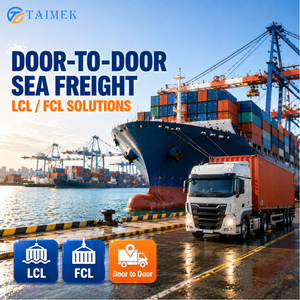
Asia-Europe-Central Asia Intermodal Freight Coverage
- Cross-Border Railway & Trucking Coverage
- Comprehensive Import Duty & Freight Value Cover
- Fast-Track CIS Claims Assessment
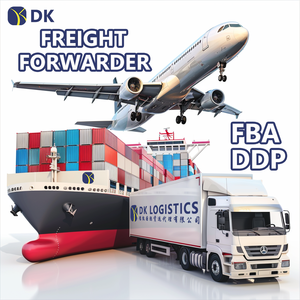
Multimodal Ocean & Feeder Freight Insurance Network
- Direct NVOCC Carrier Negotiated Terms
- Covering Transshipment Hubs & Dry Ports
- Zero Deductible Options for High-Value Cargo
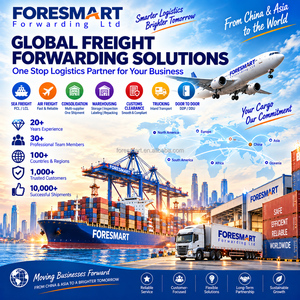
Door-to-Door Container Logistics Risk Underwriting
- Seamless Factory-to-Warehouse Liability Protection
- Moisture, Shock & Temperature Variation Coverage
- Tailored for Textile & Industrial Exporters

Air & Ocean Multimodal High-Value Cargo Insurance
- Time-Critical Air Cargo & Feeder Transit
- Complete Landlocked Corridor Protection
- C-TPAT Certified Supply Chain Security
Marine Cargo Insurance Architecture for Uzbekistan Exporters
Navigating the complex geographical realities of double-landlocked logistics with Institute Cargo Clauses, intermodal transit riders, and specialized risk mitigation strategies.
Institute Cargo Clauses (A) - All-Risk Defense
For industrial plants, textile mills, and agricultural exporters across Uzbekistan, Institute Cargo Clauses (A) [ICC (A)] serves as the benchmark for absolute financial defense during export-import operations. It covers all risk of loss or damage to cargo except explicitly excluded perils (such as willful misconduct, ordinary leakage, and unseaworthiness).
Institute Cargo Clauses (B) & (C) - Named Perils
While ICC (A) provides comprehensive coverage, ICC (B) and ICC (C) offer tailored, cost-optimized protection for bulk commodities, raw cotton yarn, mineral ores, and scrap metals. ICC (B) covers loss attributable to fire, explosion, vessel stranding, collision, jettison, earthquake, volcanic eruption, and entry of sea, lake, or river water into the hold or container.
The Strategic Imperative of Marine Underwriting in a Double-Landlocked Market
Uzbekistan occupies a unique logistical position in Central Asia as one of only two double-landlocked countries in the world. Every single container of cotton textiles, dried fruits, fertilizers, or mechanical components exported from factories in Tashkent, Samarkand, or Andijan must cross at least two international borders before reaching open ocean ports such as Poti/Batumi (Georgia), Bandar Abbas (Iran), Vladivostok (Russia), or Qingdao/Lianyungang (China). This complex geography exposes cargo to elevated hazards, including border delays, temperature fluctuations across Kazakh steppes, multi-modal transfer risks at dry ports, and customs inspection handling.
Without adequate Marine Cargo Insurance tailored specifically to Central Asian transit corridors, Uzbek exporters bear enormous financial liabilities. Standard carrier liability under CIM/SMGS (railway transport) or CMR (road transport) offers minimal compensation—often limited to 8.33 SDR per kilogram (approx. $11 USD/kg)—which fails to cover the actual invoice value of high-precision industrial goods, electronic appliances, or premium apparel products.
| Coverage Aspect | Carrier Liability (CMR / CIM) | Standard Marine Insurance | Airlift Tailored Uzbek Marine Cover |
|---|---|---|---|
| Financial Limit | 8.33 to 17 SDR per kg (Strict Cap) | Invoice Value (CIF / CIP) | 110% CIF/CIP Value + Duty & Freight Advance |
| Cross-Border Transit Risks | Excluded under Force Majeure | Basic Marine Port-to-Port Only | Seamless Door-to-Door Multimodal Coverage |
| Caspian Sea Feeder Transit | Not Covered | Requires Special Add-on | Included (Trans-Caspian / Middle Corridor) |
| Gauge Change & Handling Damage | Proved Fault Required (Difficult) | Conditional Under ICC (B) | Fully Covered Under Institute Cargo Clauses (A) |
| General Average & Salvage | Shipper Liability Intact | Covered | Full Guarantee Issued to Ocean Carriers Immediately |
Localized Risk Profiles Across Uzbek Industrial Hubs
Tailored insurance structures designed for the dominant manufacturing sectors and economic zones operating within the Republic of Uzbekistan.
Fergana Valley Textile & Garment Exporters
The Fergana Valley (Namangan, Andijan, Margilan) represents Central Asia's cotton and garment production heartland. Exporters shipping yarn, processed fabrics, and finished apparel to the EU, North America, and East Asia face extreme moisture damage and condensation ("container sweat") risks during winter rail transits across Eurasia.
Navoi Free Economic Zone (FEZ) Heavy Machinery
Navoi FEZ serves as a major manufacturing center for chemical processing units, mining machinery, automotive spare parts, and electrical transformers. Heavy breakbulk and project cargo transported via truck and rail require specialized insurance against tipping, structural strain, shifting, and crane lifting mishaps at dry ports.
Samarkand & Tashkent Agro-Food Exporters
Exporters of high-value dried fruits, walnuts, cherries, and processed agricultural commodities shipping via reefer containers or temperature-controlled trucks across Kazakhstan and Russia face cargo spoilage risks due to reefer unit mechanical breakdown or customs clearance holdups.
Emerging Trends Shaping Cargo Risk Management in Uzbekistan
Key economic reforms, infrastructure investments, and international trade integration initiatives altering Central Asian supply chain dynamics.
1. Trans-Caspian (Middle Corridor) Expansion
With traditional Northern rail corridors facing bottlenecks and geopolitical friction, Uzbek exporters are aggressively rerouting cargo through the Trans-Caspian International Transport Route (TITR)—moving via Turkmenbashi or Aktau ports across the Caspian Sea to Baku (Azerbaijan), Poti (Georgia), and onward to Turkey and Europe. Marine insurance policies must now explicitly cover marine feeder transfers, Caspian storm risks, and multi-jurisdictional customs transit protocols.
2. China-Kyrgyzstan-Uzbekistan (CKU) Railway Construction
The landmark CKU railway initiative promises to shorten freight lead times from Eastern China to Uzbekistan by up to 7–10 days, bypassing Kazakhstan. As construction progresses, insurance underwriters are establishing new risk matrices for high-altitude mountainous rail tunnels, landslide hazards, and multi-modal container transshipment at the Kyrgyz border.
3. WTO Accession & Regulatory Harmonization
Uzbekistan’s active push toward World Trade Organization (WTO) accession is modernizing the local insurance market. Commercial banks and international buyers increasingly demand strict compliance with international Incoterms 2020 (specifically CIP and CIF clauses requiring Institute Cargo Clauses A level coverage), shifting local factories away from un-insured FOB or FCA sales terms.
4. IoT Telematics & Digital Claims Verification
Modern marine cargo insurance for Central Asia incorporates IoT sensory integration. Real-time GPS, humidity, impact, and door-opening sensors embedded in export containers automatically transmit anomaly data to cloud portals. In the event of damage at a border post, instant digital telematics telemetry drastically accelerates insurance claims processing times from months down to days.
Our Authority & Enterprise Competence in Eurasian Risk Underwriting
Combining 25+ years of licensed NVOCC freight operations with specialized marine insurance brokerages for seamless global logistics.
FMC-Licensed NVOCC & C-TPAT Certified
Operated under strict regulatory oversight since 1999. Our global NVOCC licenses and C-TPAT supply chain security accreditations ensure your insured shipments receive fast-track customs priority and institutional reliability.
Global Loss Adjustment Network
Our claims network spans major transshipment ports, rail junctions, and dry ports across Eurasia—including Tashkent, Almaty, Baku, Poti, Qingdao, and Hamburg—ensuring immediate on-site damage surveys and fast claim payouts.
Zero-Deductible & Duty-Inclusive Policies
We structure marine insurance tailored to Uzbekistan customs law, allowing manufacturers to insure not just invoice value, but also prepaid international freight costs, anticipated profit margins (typically 10%), and customs duty liabilities.
Frequently Asked Questions: Uzbek Marine Cargo Insurance
Practical answers to key legal, financial, and logistical insurance questions asked by factories and trading houses in Uzbekistan.
Despite being landlocked, exports from Uzbekistan bound for international destinations utilize multimodal bills of lading that involve ocean vessels (e.g., from Poti, Lianyungang, or Vladivostok) combined with rail and truck transit. Standard railway (CIM/SMGS) and road (CMR) carrier liabilities contain severe financial caps (often under $11 per kg) and exempt carriers from liability in cases of extreme weather, border delays, or unproven fault. Marine Cargo Insurance under Institute Cargo Clauses (A) provides seamless, full-value coverage across all transport modes from factory gate to final overseas buyer warehouse.
Under Incoterms 2020, CIP (Carriage and Insurance Paid To) and CIF (Cost, Insurance and Freight) explicitly require the seller to procure cargo insurance. Crucially, Incoterms 2020 upgraded CIP to require high-level Institute Cargo Clauses (A) All-Risk coverage, whereas CIF requires a minimum of Institute Cargo Clauses (C). Uzbek exporters selling under CIP terms to European or Asian buyers must ensure their insurance certificates align with these updated international standards.
Yes. Our specialized policies include a dedicated Trans-Caspian & CIS Multimodal Rider. This guarantees continuous coverage during vessel loading/unloading at Caspian ports, rail car-to-feeder transfers, and temporary warehousing at border customs control points along the Middle Corridor.
Standard marine insurance valuation follows the formula: Insured Value = CIF/CIP Invoice Value + 10% (Anticipated Buyer Profit). Optionally, Uzbek importers can also incorporate prepaid import customs duties, VAT liabilities, and inland drayage expenses to prevent financial losses if goods are destroyed at border points prior to clearance.
To expedite claim processing, the insured party must provide: (1) Original Marine Insurance Certificate / Policy, (2) Master Bill of Lading / Rail Waybill (SMGS) / CMR truck waybill, (3) Commercial Invoice and Packing List, (4) Official Survey Report issued by an authorized local cargo surveyor, and (5) Written claim notice submitted to the transport carrier holding them responsible for damage.
Yes. If an ocean vessel carrying an Uzbek container declares General Average (e.g., due to vessel fire, grounding, or emergency salvage actions), maritime law dictates that all cargo owners on board must contribute proportionally to the salvage costs. Without marine insurance, your container will be impounded at port until a massive cash deposit is paid. An active marine insurance policy posts an immediate insurer bond, releasing your container without delay.
Protect Your Export Shipments Out of Uzbekistan Today
Connect directly with our senior marine underwriting and multimodal logistics specialists to configure an All-Risk insurance framework tailored to your supply chain.
Inquire Now