

Fast Express Sea Freight & LCL Consolidation to Greece
- Direct express ocean routes to Piraeus & Thessaloniki
- Flexible LCL shared-container space allocation
- Guaranteed weekly departures with priority loading
Direct ocean, air, and intermodal transport solutions seamlessly connecting Asian manufacturing hubs with Piraeus, Thessaloniki, and European hinterlands.

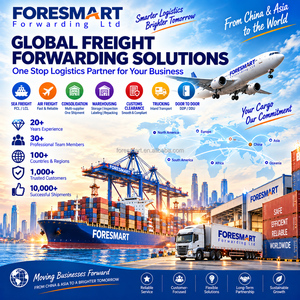

An in-depth analysis of how Greece has transformed into the primary southern maritime entryway for European trade flows, intermodal freight connectivity, and regional factory-to-market distribution.
Greece occupies an extraordinary geopolitical and logistical position at the intersection of Asia, Africa, and Europe. The Port of Piraeus (PPA/PCT), managed via state-of-the-art terminal operations, serves as the premier deep-water container hub in the Eastern Mediterranean. By bypassing western European ports like Rotterdam or Hamburg for goods originating in Asia via the Suez Canal, importers save 7 to 10 days of maritime transit time.
Navigating this maritime gateway requires precise factory-to-supplier coordination, specialized terminal handling knowledge, and seamless container drayage execution within the Attica logistical core.
The strategic deployment of logistics management in Greece centers heavily around the Thriasio Pedio Freight Center near Athens. Spanning over 2.2 million square meters, Thriasio acts as the primary dry port and consolidation engine connecting container ships directly to the Hellenic Train rail network.
Our integrated logistics management solutions exploit this intermodal corridor, allowing factory shipments from China and Asia to be offloaded at Piraeus, transferred to rail, and dispatched under T1 transit documents directly to Central Europe, North Macedonia, Serbia, Hungary, and Austria.
How tailored freight forwarding and supply chain management solve real-world operational challenges for Greek factories, importers, and multinational regional hubs.
Context: Large-scale infrastructure modernization across Greek ports, renewable energy farms (wind and solar installations in Thessaly and Peloponnese), and construction projects requires specialized heavy-lift transportation.
Solution: Utilizing 40' Open Top, Flat Rack, and SOC (Shipper Owned Containers) with direct carrier booking, our team coordinates specialized terminal handling at Piraeus and Thessaloniki. We execute heavy-haul road trucking with local police escorts and route-clearance permits, ensuring zero downtime for project site deliveries.
Context: Greece is a premier exporter of olive oil, feta cheese, and fresh seafood, while importing high-value raw active pharmaceutical ingredients (APIs) for local pharmaceutical manufacturing hubs in Attica.
Solution: Deployment of active GDP-compliant reefer containers (Refrigerated FCL) with automated IoT temperature tracking and remote humidity sensors. Rapid customs entry clearance under simplified EU procedures ensures perishable items maintain strict compliance with zero thermal degradation.
Context: Fast fashion, consumer electronics, and home goods suppliers importing from Asian factories to distribute across Southern Europe and the Balkan peninsula.
Solution: Implementation of DDP (Delivered Duty Paid) door-to-door freight models. Cargo is cleared under Greek fiscal representation, customs duties are managed seamlessly, and bonded deconsolidation at local warehouses enables quick parcel sorting and last-mile dispatch across Greece and neighboring EU member states.
Key regulatory, environmental, and technological shifts shaping procurement strategies for suppliers and logistics directors operating within the Greek trade market.
| Strategic Trend | Operational Driver in Greece | Business Impact & Market Value | Our Technological & Logistics Solution |
|---|---|---|---|
| EU ETS & Maritime Decarbonization | Inclusion of maritime transport in the EU Emissions Trading System (ETS) and FuelEU Maritime regulations. | Increased ocean freight surcharges on Mediterranean routes; push for bio-fuel and LNG vessels. | Route optimization algorithms, eco-friendly carrier selection, and transparent carbon offset reporting. |
| Nearshoring & Regional Hubbing | European enterprises shortening supply chains by shifting safety stock to Greece bonded zones. | Surge in demand for Class-A logistics facilities in Aspropyrgos, Magoula, and Thessaloniki. | Flexible bonded warehousing, VMI (Vendor Managed Inventory), and fast cross-docking capabilities. |
| Digital Customs & Union Customs Code (UCC) | Mandatory migration to digital customs systems across EU Member States (NCTS Phase 5, ICS2). | Strict enforcement of advance cargo data; risk of severe port holds for non-compliant filings. | Automated HS classification engines, pre-lodged import declarations, and direct EORI validation. |
| Balkan Rail Corridor Expansion | Upgrades to the railway axis connecting Piraeus to Skopje, Belgrade, and Budapest. | Transit times to Central Europe cut by 50% compared to traditional northern ocean gateways. | Seamless Sea-Rail intermodal bills of lading with single-point accountability and real-time tracking. |
Combining rigorous global credentials with localized operational execution to eliminate risks, reduce total landed costs, and accelerate transit times.
As an established FMC-licensed Non-Vessel Operating Common Carrier (NVOCC) and C-TPAT certified partner, we operate under strict international regulatory compliance. We issue our own House Bills of Lading (HBL), negotiating directly with major ocean carrier alliances to secure priority vessel allocations and competitive contract pricing even during peak shipping seasons.
Our custom digital logistics management platform replaces manual status requests with automated precision. Importers gain total visibility into container milestones, port terminal telemetry, customs status updates, and automated alerts for potential demurrage risks before costs accumulate.
Navigating EU import tariffs, Antidumping/Countervailing Duties (AD/CVD), and Greek VAT rules requires specialized expertise. Our licensed customs brokerage team conducts rigorous pre-shipment HTS code audits, protecting your enterprise against customs penalties while utilizing legal duty suspension and bonded storage mechanisms.
Expert insights addressing key regulatory, operational, and financial considerations for managing factory-to-door supply chains in Greece.
To clear commercial shipments through Greek customs (Piraeus, Thessaloniki, or Athens Airport), you must provide: a Commercial Invoice detailing Incoterms, an accurate Packing List, a Bill of Lading (B/L) or Air Waybill (AWB), an EORI number registered within the EU system, and accurate Harmonized System (HS/HTS) codes. Depending on the commodity, product safety CE Certificates, Certificates of Origin (Form E/EUR.1), or phytosanitary certificates may be required under EU regulations.
Vessels sailing from Asia through the Suez Canal encounter Piraeus as their first major Mediterranean deep-water port of call. Disembarking cargo at Piraeus saves approximately 7 to 10 ocean transit days compared to circumnavigating the Iberian Peninsula to reach Atlantic or North Sea ports. Combined with intermodal rail transport via the Balkan corridor, goods reach Central Eastern European destinations significantly faster.
A T1 transit document allows non-EU duty-paid goods to move freely through EU territory (e.g., from Piraeus Port across non-EU or EU states to a destination warehouse) without paying customs duties or VAT at the initial point of entry. Duties and taxes are deferred until the cargo reaches its ultimate destination customs office or bonded facility.
Terminal Handling Charges are standard fees levied by terminal operators for unloading containers from ocean vessels to the port yard. To prevent expensive port storage and demurrage charges—which begin after free-time periods expire (typically 5 to 7 days)—our local operations team coordinates pre-cleared customs documentation and pre-booked container drayage chassis prior to vessel arrival.
Yes. Under our DDP logistics framework, we manage the entire supply chain end-to-end. We handle ocean/air transport, pre-pay import duties and Greek VAT via authorized fiscal representation, execute customs entry, and deliver the cargo directly to the buyer's door in Greece with zero administrative burden on the end recipient.
For smaller shipments, we offer Less-than-Container Load (LCL) consolidation services. Your cargo is safely combined with other goods in a shared container at our origin hub in Asia. You only pay for the exact volume (CBM) your cargo occupies, making it highly cost-effective for regular restocks or smaller trial orders entering the Greek market.
Whether you are sourcing raw materials from Asian factories, shipping equipment to Greek industrial centers, or establishing a regional European distribution network, our freight experts are ready to engineer your ideal supply chain solution.