
Featured Ocean & Air Freight Products Serving Greater Boston
Explore our direct FMC-contracted carrier routes, expedited LCL consolidations, and comprehensive customs clearance packages tailored for New England importers and local manufacturing plants.
China to Boston Port Ocean FCL & LCL Fast Shipping Services
Top FMC Freight Forwarder DDP Sea & Air Freight Door-to-Door
Global Door-to-Door FCL Container Delivery Duty Paid (DDP)
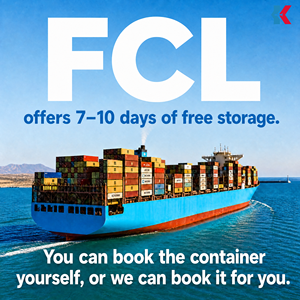
20GP / 40HQ FCL Ocean Freight Forwarding to Conley Terminal
Import Customs Clearance & FCL Container Drayage Services
Asia to USA (Boston / NYC) Direct Multimodal Logistics Route
Container Freight Forwarding & Port Drayage to New England DCs
Time-Critical Air & Sea Cargo Logistics with Full Customs Entry
Navigating US Customs & Global Logistics for Boston's Industrial Ecosystem
As a family-run, FMC-licensed Non-Vessel Operating Common Carrier (NVOCC) and C-TPAT certified customs brokerage firm, we bridge the complex gap between international origin manufacturing plants in Asia/India and local factories operating across Greater Boston, Route 128, and the I-495 industrial corridors. Our direct ABI/ACE Customs Border Protection (CBP) integrations eliminate costly demurrage, ensure 100% ISF 10+2 compliance, and safeguard supply chain velocity.
Customs Brokerage & Supply Chain Scenarios for Boston Manufacturers
The Greater Boston metropolitan area is an economic powerhouse driven by biotechnology, robotics, advanced industrial machinery, marine defense, and clean tech. Each sector demands specialized tariff strategies, strict regulatory clearances, and precise intermodal drayage.
Biotechnology & Life Sciences (Cambridge & Boston Corridor)
Serving Kendall Square and Greater Boston pharma hubs with expedited FDA Prior Notice clearance, cold-chain air cargo via Boston Logan Airport (BOS), and precise HTS classification for laboratory equipment and active pharmaceutical ingredients (APIs).
- FDA FSVP (Foreign Supplier Verification Program) validation
- Cold-chain thermal monitoring & express air clearance
- Duty drawback & zero-defect CBP entry filing
Robotics & Advanced Manufacturing (Route 128 / I-495 Belt)
Supporting industrial plants in Waltham, Marlborough, and Worcester importing precision servo motors, CNC componentry, and structural assemblies from Asian factories under complex Section 301 tariff structures.
- Section 301 tariff exclusion auditing & refund recovery
- Out-of-gauge (OOG) and heavy-lift FCL container drayage
- Direct vessel delivery from Conley Terminal to production floors
Electronics, Clean Tech & Defense (North Shore & South Shore)
Managing high-value electronic componentry, marine industrial gear, and solar power equipment requiring strict C-TPAT supply chain security and specialized Anti-Dumping / Countervailing Duty (AD/CVD) compliance.
- C-TPAT green-lane priority customs inspection status
- AD/CVD duty deposit calculation & scope ruling guidance
- Bonded warehousing & FTZ (Foreign Trade Zone) integration
Navigating CBP Compliance & Tariff Optimization
Importing industrial commodities into New England requires rigorous legal alignment with US Customs regulations (19 CFR). Below is an architectural overview of how our licensed brokerage mitigates financial and operational risks for Boston manufacturers.
1. ISF (10+2) Timely Filing Protocol
Under 19 CFR § 149.2, Importer Security Filing (ISF) must be transmitted to CBP at least 24 hours prior to container loading at foreign origin ports (e.g., Shanghai, Ningbo, Nhava Sheva). Missing or late ISF submissions incur automatic $5,000 liquidated damages per violation. Our automated validation engine cross-references container stow plans with bill of lading data to guarantee 100% compliance.
2. HTS Classification & AD/CVD Auditing
Misclassifying a single 10-digit Harmonized Tariff Schedule (HTS) digit can lead to massive overpayment of customs duties or severe civil penalties under 19 U.S.C. § 1592. Our internal customs attorneys and licensed brokers conduct comprehensive binding ruling reviews and analyze Anti-Dumping and Countervailing Duty (AD/CVD) cases to shield Boston factories from unexpected retro-active duty assessments.
3. Section 301 & IEEPA Tariff Refund Recovery
Many Boston-based manufacturers importing industrial components from Asian manufacturing partners remain eligible for Section 301 duty exclusions or refund adjustments under ongoing federal court litigation. We conduct historic entry audits going back 5 years to file Post-Summary Corrections (PSC) and protests, recovering hundreds of thousands of dollars in overpaid duties for local clients.
Conley Container Terminal Direct Vessel Calls vs. NY/NJ Rail Trucking
Evaluating transit time, drayage expense, and carbon footprints for New England manufacturing supply chains.
| Logistics Gateway Route | Average Ocean Transit (Asia Core Ports) | Port Free Time & Demurrage Risk | Intermodal Drayage Cost to Route 128 / Boston | Carbon Footprint (gCO2/ton-mile) |
|---|---|---|---|---|
| Direct Ocean Call to Conley Terminal (Boston) | 32 - 35 Days (Direct All-Water) | Low (Faster turnaround, lower congestion) | $350 - $650 (Short-haul local dray) | Lowest (Direct maritime route) |
| Port of NY/NJ with Interstate Drayage to MA | 28 - 31 Days (First Port of Call) | Moderate to High (Port congestion risk) | $1,200 - $1,850 (Over-the-road trucking) | High (200+ miles interstate truck transport) |
| US West Coast (LA/LB) + IPI Rail to Worcester/Boston | 22 - 26 Days (Sea) + 8-12 Days (Rail) | High (Rail ramp dwell & chassis bottlenecks) | $800 - $1,200 (Rail ramp drayage) | Moderate (Transcontinental rail transit) |
| Air Freight via Boston Logan (BOS) Express | 3 - 5 Days (Door-to-Door Air Cargo) | Zero Demurrage (24-48 hr terminal clearance) | $250 - $450 (Local airport courier) | Highest (High-velocity emergency reroute) |
Transforming New England Manufacturing & Supply Chains
Logistics managers serving the Boston market face evolving economic headwinds. Here are the core structural trends dictating customs strategy and freight sourcing across Massachusetts and New England.
1. Nearshoring & Southeast Asia Sourcing Diversification
Boston industrial enterprises are actively shifting manufacturing footprints from mainland China toward Vietnam, India, Bangladesh, and Cambodia. As an FMC-licensed NVOCC with owned infrastructure in Chennai, Mumbai, Ho Chi Minh City, and Phnom Penh, Airlift USA provides seamless multi-country consolidation under one unified House Bill of Lading (HBL).
2. Conley Terminal Modernization & Deep-Water Berth Access
With the completion of the Boston Harbor Dredging Project (deepening the harbor to 47 feet) and Massport’s addition of new neo-Panamax cranes at Paul W. Conley Container Terminal, ocean carriers are expanding direct feeder services. Boston importers can now avoid NY/NJ port surcharges and reduce regional delivery schedules by up to 4 days.
3. Automated CBP Paperless Clearance & Real-Time Tracking
Modern supply chains cannot tolerate manual paperwork delays. Our automated EDI platform integrates carrier GPS tracking with U.S. Customs ACE portal data. Procurement directors get real-time milestone alerts covering vessel departure, ISF confirmation, customs release status, and terminal gate-out timestamps.
Frequently Asked Questions by Boston Logistics Procurement Managers
Clear, authoritative answers regarding US Customs clearance, Conley Terminal operations, and ocean freight forwarding into New England.
What is the difference between a Freight Forwarder and a Licensed NVOCC?
A Non-Vessel Operating Common Carrier (NVOCC) is licensed by the Federal Maritime Commission (FMC) to issue its own House Bills of Lading (HBL), publish tariffs, and enter into direct service contracts with ocean container lines. Standard freight forwarders act merely as agents. As an FMC-licensed NVOCC since 1999, Airlift USA negotiates directly with major vessel alliances, giving Boston manufacturers guaranteed container space, locked-in contract rates, and complete legal accountability over ocean transport.
How long does ocean freight take from major Asian ports to Conley Terminal in Boston?
Direct all-water ocean freight services from primary origin hubs in China (Shanghai, Ningbo, Shenzhen) and Southeast Asia (Ho Chi Minh City) to Conley Container Terminal in Boston typically take between 30 and 35 transit days via the Panama Canal. Transshipment routes or services routing via the Port of NY/NJ with intermodal drayage to Massachusetts average 28 to 33 days overall.
How can our Boston plant avoid costly port demurrage and container detention fees?
Port demurrage occurs when a container remains at the marine terminal past its free time (typically 4 to 5 days post-discharge), while detention applies to delays returning empty equipment. We mitigate these fees by filing ISF 10+2 and Customs entries 5 days prior to vessel arrival. Once cleared, our local drayage fleet schedules immediate container pull-out, matching factory receiving hours across Route 128 and regional warehouse facilities.
What documents are mandatory to clear US Customs for industrial goods in Massachusetts?
Standard commercial import documentation includes: (1) Commercial Invoice stating transaction value, currency, and country of origin; (2) Detailed Packing List; (3) Ocean Bill of Lading or Air Waybill; (4) Timely ISF 10+2 Filing confirmation for ocean shipments; (5) Continuous or Single Entry Customs Bond; and (6) Applicable Partner Government Agency (PGA) permits such as FDA, EPA, or USDA approvals.
How do you manage FDA regulatory clearance for Boston life sciences and pharmaceutical importers?
Our specialized medical and life-science customs desk submits electronic FDA Prior Notice filings concurrently with entry summary data. We ensure complete supplier verification (FSVP compliance), device registration numbers (DUNS/FEI), and product code accuracy to prevent customs holds or physical inspections at Boston Logan Airport (BOS) or maritime discharge ports.
Can you audit historical import entries to recover overpaid Section 301 tariffs?
Yes. Our licensed US Customs brokers perform retroactive customs entry audits going back up to 5 years. By auditing HTS code classifications, verifying eligibility for granted Section 301 exclusions, or participating in active trade litigation protests, we file Post-Summary Corrections (PSC) with CBP to secure direct duty refund checks for our clients.
What are the advantages of clearing imports directly in Boston versus the Port of NY/NJ?
Clearing cargo directly at Conley Terminal in Boston significantly lowers over-the-road trucking and drayage fees to New England destinations (saving $600–$1,200 per container compared to trucking from NY/NJ). Furthermore, Conley Terminal boasts significantly faster gate turn-times, lower terminal congestion, and reduced exposure to port demurrage penalties.
Do you handle DDP (Delivered Duty Paid) shipments for foreign manufacturers shipping to Boston buyers?
Absolutely. Under DDP Incoterms, we act as the foreign principal's U.S. customs agent or non-resident importer (NRI). We handle the complete door-to-door logistics chain—covering origin booking, ocean/air transport, US Customs bond issuance, import duty payment, and final lift-gate truck delivery directly to the Boston buyer's warehouse door with no tax hassle for the buyer.
What security certifications protect our high-value industrial cargo during transit?
Airlift USA is fully C-TPAT (Customs-Trade Partnership Against Terrorism) certified by U.S. Customs and Border Protection. This certification ensures our global supply chain infrastructure meets stringent security criteria. For importers, C-TPAT status translates into significantly lower CBP inspection rates, priority processing during security disruptions, and expedited green-lane clearance.
How quickly can our enterprise open an account and obtain a binding freight quote?
Setting up a commercial import account takes under 5 minutes. Once registered, our trade specialists analyze your cargo dimensions, HTS codes, and delivery timeline to provide transparent, all-inclusive rate quotes covering ocean/air carriage, customs brokerage fees, and local New England drayage without hidden surcharges.
Optimize Your Boston Supply Chain & Customs Compliance
Connect with our licensed US Customs Brokers and FMC Freight Specialists today. Get transparent ocean/air rates, professional HTS tariff auditing, and dependable door-to-door delivery tailored to your local factory requirements.
Get a Quote