
Specialized Morocco Freight Forwarding & Warehousing Products
Seamlessly connecting Asian production lines with North African economic corridors through optimized ocean, air, and customs-bonded warehousing solutions.
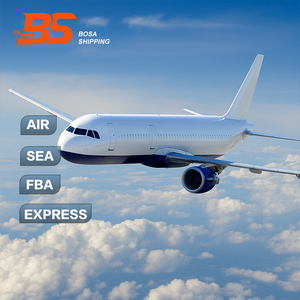
- Direct Express Sailings to Tanger Med
- Weekly LCL Shared Container Service
- Real-Time GPS & Temperature Tracking
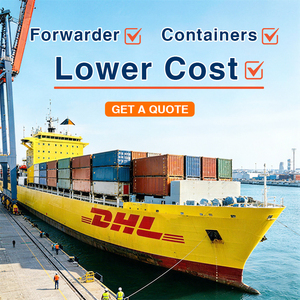
- Guaranteed Customs Pre-Clearance
- Includes Import Duties & Moroccan VAT
- Final-Mile Trucking to Casablanca/Rabat
- 20GP, 40GP & 40HQ High Cube Specs
- Customs Clearance via BADR System
- Dedicated Port Drayage Operations
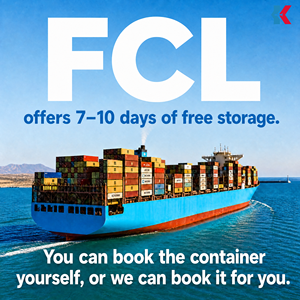
- Direct Carrier Alliances (Maersk, CMA CGM)
- Flexible Storage & Extended Free Time
- Comprehensive Bill of Lading (NVOCC)
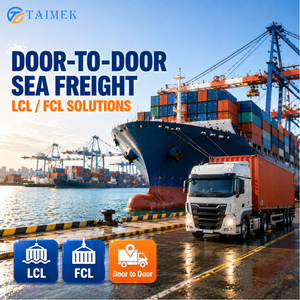
- Tanger Free Zone Bonded Warehousing
- SKU Sorting, Packaging & Kitting
- Certificate of Conformity (CoC) Handling
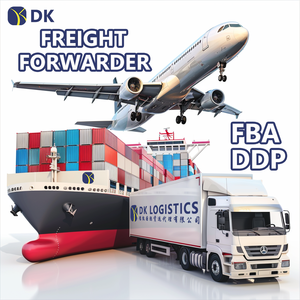
- Dedicated Feeder Connectivity to Agadir
- Automotive & Textile Sector Logistics
- Customs Duty Optimization Audits
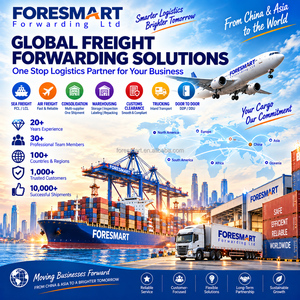
- Kenitra Industrial City Last-Mile Delivery
- JIT (Just-In-Time) Warehouse Feeders
- Hazardous Material & Heavy Machinery

- IATA-Certified Air Cargo Chartering
- Mohammed V Airport (CMN) Clearance
- Temperature-Controlled Pharmaceutical Transport
Architecting Resilient Asia–Morocco Cross-Border Logistics Infrastructure
An executive analysis of Morocco’s evolution into Africa's premier nearshoring bridge, industrial hub, and trade gateway connecting Asian manufacturing ecosystems with European and Euro-Mediterranean markets.
The Strategic Role of Tanger Med & Casablanca Hubs
Morocco occupies an unprecedented geopolitical position in contemporary international trade. Positioned at the juncture of the Atlantic Ocean and the Mediterranean Sea, the Kingdom has transformed into a strategic industrial springboard. The mega-port of Tanger Med—now ranking among the top container terminals globally with an annual capacity exceeding 9 million TEUs—serves as the primary engine for cross-border containerized traffic coming from major Asian ports (Ningbo, Shanghai, Shenzhen, and Singapore).
For multinational manufacturers and trading houses, managing the supply chain into Morocco requires navigating both deep-sea transshipment dynamics and localized onshore distribution. Warehousing infrastructure positioned within Morocco's Zones Franches (Free Logistics Zones) allows enterprises to defer customs duties, conduct light assembly, perform labeling, and re-export seamlessly into the European Union under preferential trade agreements, or distribute domestically into Casablanca, Rabat, Kenitra, and Marrakech.
Regulatory Framework & Customs Clearance Mastery
Importation into the Kingdom of Morocco requires rigorous compliance with the Administration des Douanes et Impôts Indirects (ADII). Utilizing the digitized BADR system (Base Automatisée des Douanes en Réseau) and the PortNet single-window platform, our logistics operations ensure every shipment complies with local regulatory mandates prior to ocean vessel arrival.
Critical elements include verifying the Certificat de Conformité (CoC) under Morocco’s Verification of Conformity (VoC) program for industrial goods, managing standard 20% Taxe sur la Valeur Ajoutée (TVA), applying correct Harmonized System (HS) classifications, and executing duty drawback programs for raw materials intended for re-export. Operating with FMC-licensed authority and C-TPAT security standards, our cross-border supply chain eliminates port demurrage risks and compliance bottlenecks.
Asia to Morocco Supply Chain Performance & Transit Matrix
| Origin Region | Primary Port Gateways | Destination Port (Morocco) | Transit Mode | Avg. Transit Time | Customs System Clearance |
|---|---|---|---|---|---|
| East China (Shanghai/Ningbo) | Shanghai / Ningbo-舟山 | Tanger Med II | Ocean FCL / Direct Express | 22 - 26 Days | BADR Pre-Filing / Green Lane |
| South China (Pearl River Delta) | Yantian / Nansha / Hong Kong | Tanger Med / Casablanca | Ocean FCL / LCL Consolidation | 20 - 24 Days | PortNet Single-Window Direct |
| Southeast Asia (Vietnam/Malaysia) | Ho Chi Minh (Cat Lai) / Port Klang | Tanger Med Hub | Transshipment Ocean Route | 26 - 30 Days | Bonded Warehousing Transfer |
| North China Industrial Hubs | Qingdao / Tianjin (Xingang) | Casablanca Commercial Port | Breakbulk / FCL Heavy Machinery | 28 - 34 Days | VoC Inspection / CoC Pre-Cleared |
| Air Cargo Hubs (Global) | PVG / CAN / HKG / DEL | Casablanca (CMN Airport) | Air Freight Express / Charter | 3 - 5 Days | Expedited Airport Customs Clearance |
Localized Supply Chain Application Scenarios Across Morocco
Tailored cross-border warehousing, bonded storage, and last-mile logistics architectures engineered for Morocco’s key economic hubs and industrial platforms.
Automotive Industry: Kenitra & Tangier Ecosystems
Morocco has emerged as Africa's top passenger vehicle producer, centered around the Renault Tangier Med complex and the Stellantis facility in the Kenitra Atlantic Free Zone. Our cross-border warehousing operations manage Sub-tier (Tier 2 & Tier 3) component feeds imported from China, South Korea, and Taiwan.
We provide Just-In-Time (JIT) and Just-In-Sequence (JIS) bonded warehousing, component kitting, and temperature-controlled storage for electrical wire harnesses, automotive electronics, and stamped metal parts, keeping assembly lines operational without carrying excess inventory.
Textile & Fast Fashion Nearshoring (Casablanca-Tangier)
Morocco’s textile sector supplies major European apparel retailers under strict lead-time constraints. We supply raw fabric rolls, accessories, zippers, and synthetic fibers directly from Asian textile factories to our bonded warehouses in Casablanca and Tangier.
Importers leverage our Admission Temporaire (AT) protocol management, enabling raw material entry without upfront VAT payment. Fabrics are held in inventory until drawn down by local garment factories, enabling rapid turnaround for fashion exports into Europe.
Renewable Energy & Infrastructure Projects (Ouarzazate & South)
Morocco’s ambitious green transition—highlighted by the Noor Ouarzazate Solar Complex and massive wind farm expansions in Dakhla and Midelt—demands heavy-lift project cargo forwarding. We handle out-of-gauge (OOG) shipping for solar panels, wind turbine blades, and power transformers.
Our inland logistics team coordinates flat-rack containers, low-boy heavy trailers, and specialized staging warehousing near installation sites, ensuring full compliance with Moroccan Ministry of Transport road haulage permits.
Emerging Trends Reshaping Moroccan Cross-Border Logistics (2025–2030)
Understanding the structural shifts in global manufacturing, regional trade integration, and green infrastructure impacting supply chain design in North Africa.
1. The Nearshoring Boom & "China+1" Asia-to-Morocco Triangular Trade
Multinational corporations are increasingly adopting nearshoring strategies to buffer against geopolitical disruptions. European brands are shortening their supply chains by moving manufacturing operations from Far East Asia to Northern Morocco. This shift has created a vibrant "triangular logistics corridor."
Raw materials, machinery tooling, and intermediate components originate in Asian factories, move via deep-sea routes to Tanger Med, undergo processing in Moroccan free zones, and are dispatched across the Strait of Gibraltar into the EU market within 48 hours. Our warehousing hubs are purpose-built to facilitate this high-velocity cross-docking and re-export model.
2. AfCFTA & Morocco’s Gateway Status into West Africa
With the implementation of the African Continental Free Trade Area (AfCFTA), Morocco is solidifying its position as the commercial gateway to West and Central Africa. Royal Air Maroc’s expanded air-freight network paired with expanded maritime feeds from Tanger Med down to Dakar, Abidjan, and Lagos make Morocco an ideal regional distribution center (RDC).
Enterprise suppliers store buffer stock in Moroccan customs-bonded warehouses, allowing them to fulfill replenishment orders across West African regional markets in days rather than waiting 40+ days for direct shipments from Asia.
3. The Nador West Med Development & Port Multi-Polarity
The ongoing construction and commissioning of the Nador West Med port complex will add massive energy and container handling capacity to Eastern Morocco. This infrastructure expansion breaks the historical concentration of port operations around Casablanca and Tangier, opening new industrial hinterlands in the Oriental region.
Our forward-looking logistics network integrates Nador West Med into our routing software, giving clients additional flexibility to bypass seasonal port congestion, optimize domestic haulage routes, and access new green energy manufacturing corridors.
4. Digitalization of Customs & Green Logistics Standardizations
Morocco's Douane ADII is rapidly transitioning to paperless operations driven by AI customs risk profiling, digital smart seals, and mandatory PortNet electronic documentation. Concurrently, environmental regulations like the EU's Carbon Border Adjustment Mechanism (CBAM) are compelling Moroccan supply chains to report embedded carbon footprints.
Our platform integrates direct API feeds into PortNet and BADR, while offering solar-powered, LEED-certified warehousing options in Tangier and Casablanca to ensure full compliance with global ESG standards.
Our Core Institutional Competencies & Strategic Advantages
Built upon 25+ years of operational excellence, accredited NVOCC authority, and direct carrier ownership, we provide unmatched execution across the Asia-Morocco trade lane.
FMC-Licensed NVOCC & C-TPAT Certified
As a fully licensed Federal Maritime Commission (FMC) non-vessel operating common carrier, we issue our own House Bills of Lading (HBL). This legal authority gives our clients direct contract pricing, guaranteed space allocations during peak seasons, and stringent C-TPAT supply chain security compliance from factory origin to Moroccan door delivery.
Integrated BADR & PortNet EDI Infrastructure
Avoid costly port demurrage and customs delays. Our direct Electronic Data Interchange (EDI) interfaces with the Moroccan Customs BADR system and PortNet platform allow pre-filing of import declarations, automated HS code duty calculation, and instant clearance processing while your container is still at sea.
Multi-Lingual Trade Support Teams
Cross-border supply chains require clear, real-time communication across multiple languages and time zones. Our operational hubs in Los Angeles, Asia, and North Africa feature dedicated logistics specialists fluent in English, French, Arabic, and Mandarin, ensuring zero miscommunication between origin manufacturers and Moroccan consignees.
Transparent DDP All-Inclusive Tariff Structure
Eliminate hidden accessorial fees, surprise port fees, or unexpected local handling surcharges. We provide clear, itemized Delivered Duty Paid (DDP) rate structures covering sea/air freight, origin export documentation, Moroccan customs tariffs, 20% TVA management, port drayage, and door delivery under a single invoice.
Strategic Bonded Warehousing Footprint
Take advantage of our state-of-the-art bonded warehouses in Tanger Free Zone (TFZ), Tanger Med Logistical City (TMLC), and Casablanca Tit Mellil. Defer customs duties indefinitely, store safety stock, execute pick-and-pack fulfillment, and conduct re-export operations with complete security.
End-to-End Real-Time Container Visibility
Gain complete control over your international pipeline through our proprietary digital portal. Track vessel locations via live AIS data, monitor customs clearance statuses within BADR, view warehouse inventory levels in real-time, and receive automated milestone alerts directly to your desktop or mobile device.
Frequently Asked Questions for Moroccan Enterprise Importers
Expert answers addressing the regulatory, financial, and operational nuances of importing and warehousing cargo in the Kingdom of Morocco.
Optimize Your Cross-Border Supply Chain to Morocco Today
Consult with our senior logistics trade specialists to design a resilient, tax-optimized, and cost-effective shipping and warehousing strategy tailored to your business needs.
Contact Us