
Recommended Global Container Drayage & Ocean FCL Products
Explore top-performing drayage equipment configurations, international freight forwarding pathways, and door-to-door full container load (FCL) delivery systems optimized for transpacific and global trade networks.
- Modes: Ocean FCL (20GP/40HQ), Drayage
- Port Drayage: Express Gate Release
- Compliance: Direct FMC House BOL
- Services: DDP Door-to-Door & Drayage
- Chassis Types: Tri-Axle & Gooseneck
- Clearance: Pre-cleared US Customs Entry
- Reach: Samoa, PNG, Marshall Islands
- Handling: Island Drayage & Port Delivery
- Tariffs: Integrated Duty Payment
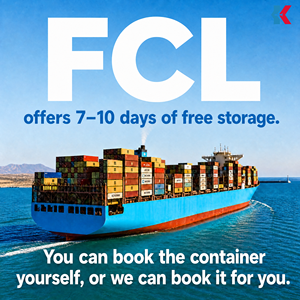
- Equipment: Standard & High Cube ISO
- Payload Support: Up to 28,000 kg
- Integrations: Live Port Terminal API
- Gateway: Valencia, Barcelona, Algeciras
- Services: On-carriage & Chassis Split
- Compliance: EU Tariff & Customs Filing
- Coverage: US West/East Coast, Dubai, Czech
- Carrier Contracts: Alliance Space Allocation
- Drayage Securing: Guaranteed Chassis Pool
- Pickup: Factory Gate Load & Weighing
- Drayage Distance: Short-haul & Regional
- Tracking: Real-time Telematics GPS
- Customs: ISF 10+2 & Automated Brokerage
- Drayage Fleet: C-TPAT Certified Drivers
- Storage: Bonded Off-Dock Yard Access
25+
Years Logistics Mastery
FMC / NVOCC
Licensed & Bonded Status
20+
Global Direct Branch Offices
C-TPAT
Validated Supply Chain Security
Executive Overview: The Evolution of Global Container Drayage & Intermodal Equipment
In modern supply chain architecture, container drayage represents the crucial first- and last-mile bridge linking ocean container terminals, rail ramps, bonded warehouses, and inland distribution centers. As global trade volumes swell and port congestion challenges fluctuate across maritime hubs like Los Angeles, Long Beach, New York/New Jersey, and major European hubs, the structural efficiency of drayage equipment manufacturing and execution has become a paramount strategic priority for B2B procurement officers.
This whitepaper synthesizes technical manufacturing standards for container drayage chassis, analyzes operational trends in international freight forwarding, and provides enterprise buyers with an authoritative framework to evaluate top container drayage manufacturers, exporters, and integrated logistics partners. By unifying engineering excellence with licensed FMC NVOCC oversight, modern shippers can significantly eliminate container detention, minimize terminal demurrage, and maintain end-to-end cargo velocity.
Defining Container Drayage Categories in Supply Chain Logistics
To formulate an efficient procurement strategy, logistics directors must differentiate between the primary operational operational modes within the container drayage landscape:
Pier & Port Drayage
Direct movement of ocean ISO containers (20GP, 40GP, 40HQ) from port marine terminals to off-dock staging yards, container freight stations (CFS), or local warehouses within a designated harbor commercial zone.
Intermodal Rail Drayage
Short-haul highway transfer connecting inland intermodal rail hubs with regional distribution hubs, utilizing specialized heavy-duty drayage chassis engineered for multi-stage crane transfers.
Shuttle & Cross-Dock Drayage
Rapid high-frequency drayage loops carrying full container loads between fulfillment facilities, transloading centers, and bonded warehouses to minimize equipment hold-times.
Container Drayage Chassis Engineering Specs & Procurement Comparison Matrix
When sourcing drayage equipment from global manufacturers and exporters, structural integrity, tare weight optimization, and axle payload limits must adhere to rigid regulatory frameworks—such as the US DOT Federal Bridge Gross Weight Formula and EU Council Directive 96/53/EC. Below is an engineering comparison matrix of primary container drayage chassis types manufactured for global export.
| Chassis Specification | 20ft Standard Gooseneck | 40ft Tandem Axle Chassis | 40ft/45ft Extendable Tri-Axle | Heavy-Haul Tank/Flexi Chassis |
|---|---|---|---|---|
| Primary ISO Container Match | 20GP, 20 ISO Tank | 40GP, 40HQ Dry Van | 40HQ, 45HQ Overweight FCL | 20ft Heavy Liquid ISO Tanks |
| Frame Steel Material | Q345B High-Tensile Steel | Q345B / HG60 High Yield | Q460 Micro-Alloy Steel | High-Strength Low-Alloy (HSLA) |
| Tare Weight (Approx.) | 3,100 kg (6,830 lbs) | 3,950 kg (8,700 lbs) | 5,200 kg (11,460 lbs) | 4,100 kg (9,030 lbs) |
| Max Gross Payload | 30,480 kg (67,200 lbs) | 32,500 kg (71,650 lbs) | 40,000 kg (88,180 lbs) | 36,000 kg (79,360 lbs) |
| Surface Protection Coating | Hot-Dip Galvanized / EP Paint | Zinc-Rich Primer + Polyurethane | Hot-Dip Galvanized Marine Coating | Anti-Corrosive Epoxy Primer |
| Telematics Integration | GPS Tracking Optional | Standard BLE Hubodometer | Smart IoT Axle Load Sensors | Hazmat IoT & Temp Monitoring |
Technical Innovations Shaping Drayage Manufacturing (2026–2030)
The global container drayage chassis market is experiencing a profound technological transformation driven by carbon reduction mandates, smart telematics, and heavy-haul efficiency requirements:
- Hot-Dip Galvanizing & Marine Corrosion Resistance: Ocean harbor salt-spray environments cause rapid oxidation on standard carbon steel frames. Modern exporters utilize full-immersion hot-dip galvanizing, offering a 25-year maintenance-free lifespan for port-operating fleets.
- Automatic Tire Inflation Systems (ATIS) & Smart Hubs: Integrated pneumatic ATIS maintains ideal tire pressure during intensive port shuttle operations, reducing fuel consumption by up to 3.5% and preventing unexpected highway blowouts.
- Zero-Emission Electric Drayage Compatibility: Heavy-duty electric class-8 drayage tractors require chassis with optimized weight distribution to offset heavy battery packs while remaining fully compliant with gross vehicle weight caps (GVWR).
Strategic Procurement Trends: How Enterprise Importers Optimize Container Drayage
Procuring international drayage services or purchasing chassis fleets requires navigating shifting economic policies, ocean carrier alliance schedules, and stringent customs compliance standards. Forward-thinking supply chain leaders are adopting five strategic initiatives to mitigate landed-cost volatility:
Direct NVOCC Contracting
By partnering with licensed Non-Vessel Operating Common Carriers (NVOCCs) operating under FMC oversight, importers secure locked-in ocean rates combined with dedicated inland drayage capacity, avoiding spot-market surcharges.
Automated ISF 10+2 Clearance
Transmitting Importer Security Filings at least 24 hours prior to foreign departure prevents US Customs hold-orders, ensuring seamless off-dock drayage dispatch immediately upon vessel discharge.
Real-Time Demurrage Shielding
Deploying predictive terminal gate tracking systems alerts dispatchers when container free-time drops below 48 hours, triggering priority drayage pickup before costly port penalties accrue.
Enterprise Capability & E-E-A-T Superiority Baseline
Navigating cross-border ocean freight and container drayage demands demonstrated Experience, Expertise, Authoritativeness, and Trustworthiness (E-E-A-T). Powered by over 25 years of global freight leadership, our integrated logistics framework combines direct-asset drayage dispatch with international ocean brokerage.
Verified Industry Credentials & Infrastructure Strength
FMC-Licensed NVOCC Certification
Fully licensed by the Federal Maritime Commission to issue independent House Bills of Lading (HBL), contract directly with primary ocean alliances, and guarantee container space allocations.
C-TPAT & IATA Tier-1 Validation
Certified under U.S. Customs and Border Protection Customs-Trade Partnership Against Terrorism, providing expedited border clearance, reduced inspection rates, and priority drayage processing.
20+ Direct Global Branch Offices
Own operational headquarters across North America (Los Angeles, New Jersey) and Asia-Pacific (India, Vietnam, Bangladesh, Cambodia), supported by WCA & NCBFAA international member networks.
In-House HTS & Duty Refund Auditing
Specialized trade compliance team managing HTS classification, Antidumping/Countervailing Duty (AD/CVD) defense, and tariff recovery under IEEPA and Section 301 frameworks.
Frequently Asked Questions: Global Drayage Procurement & Logistics
Essential operational insights for enterprise buyers, procurement managers, and supply chain directors sourcing drayage equipment and international freight services.