
Featured OEM/ODM Freight & Port Logistics Services
Seamlessly connecting manufacturing hubs across China and Southeast Asia to North America, Europe, Australia, and Pacific territories with verified ocean FCL/LCL and DDP customs capabilities.
- Lanes: China to AU / CA ports
- Modes: Fast Vessel FCL & LCL
- Tracking: Live Carrier API Integration
- Coverage: USA, UK, Spain DDP
- Services: Sea/Air Freight & Duty Paid
- Handling: Procurement & Consolidation
- Routes: South Pacific Islands
- Service: Duty Paid Door-to-Door
- Cargo: Standard FCL Containers
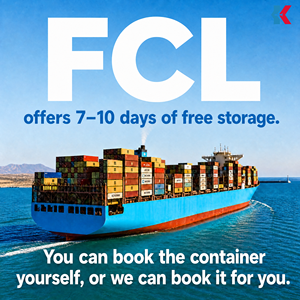
- Equipment: 20GP / 40GP / 40HQ
- Term: Port to Port Ocean Freight
- Contract: NVOCC Direct Vessel Rates
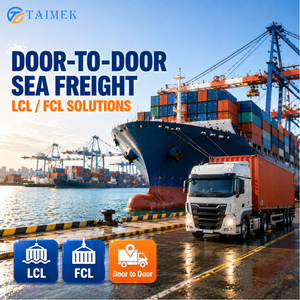
- Destination: Spain Ports & Inland
- Clearance: Import Handling Included
- Drayage: On-time Delivery Support
- Reach: Worldwide Multimodal Hubs
- Support: Customs & Document Filing
- Flexibility: Multi-Carrier Space Allocation
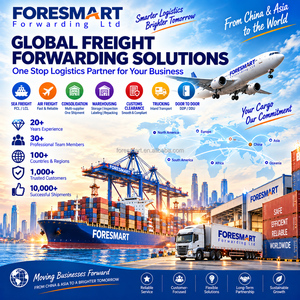
- Service: Full Container Load (FCL)
- Execution: Origin Pickup to Final Door
- Security: Sealed Drayage Protocol
- Options: Express Air & Ocean DDP
- Solutions: End-to-End Supply Chain
- Compliance: Full Tariff Auditing
Why OEM/ODM Global Procurement Managers Partner With Us
Combining licensed regulatory oversight with high-density global origin networks to mitigate maritime bottlenecks and eliminate hidden landed costs.
FMC-Licensed NVOCC Control
Unlike basic freight brokers, we issue our own House Bills of Lading (HBL) under official Federal Maritime Commission authorization. This allows direct carrier contract negotiation, guaranteed space protection, and absolute legal accountability.
Dual-End Origin Infrastructure
We maintain fully owned physical branch operations across critical Asian manufacturing hubs (including 14 strategically positioned offices in India, Vietnam, Bangladesh, Cambodia) paired with key US gateways in Los Angeles and New Jersey.
Pre-Clearance & ISF Compliance
Our automated in-house compliance suite handles Importer Security Filing (ISF 10+2) prior to origin loading, ensuring strict compliance with US Customs and Border Protection (CBP) to eliminate costly liquidated damages.
OEM/ODM Port Logistics & Multimodal Supply Chain Trends (2025–2030)
Navigating global supply chain volatility demands a fundamental shift from reactive freight purchasing to structural logistics engineering. B2B buyers sourcing OEM/ODM products across Asia must adapt to systemic shifts in port infrastructure, regulatory compliance, and decarbonization mandates.
1. The Evolution of Multi-Origin Sourcing & Regional Port Hubs
As multinational brands diversify manufacturing beyond traditional coastlines into Southeast Asia and the Indian subcontinent, supply chain architecture has become fragmented. Managing port logistics across Nhava Sheva (JNPT), Mundra, Cat Lai (Ho Chi Minh City), and Chittagong requires localized operational knowledge. Successful OEM/ODM suppliers now integrate standardized port drayage protocols with cross-border feeder networks, preventing long container dwell times at transshipment ports like Singapore and Colombo.
Information Gain Insight: Advanced B2B buyers are migrating from single-port contracting to regional feeder contracts. By leveraging NVOCC carriers with multi-gateway access, importers save up to 14% on total demurrage penalties during localized peak port congestion.
2. Digital API Visibility vs. Traditional Freight Tracking
The global ocean transport sector is retiring manual tracking updates in favor of direct carrier API integrations and IoT container telemetry. Procurement managers now require real-time visibility into terminal milestones: Container Discharged, Out of Gate, Rail Departure, and Inland Delivery. Immediate automated alerts for demurrage free-time expiration allow logistics managers to dispatch container drayage fleets before costly daily penalties accrue.
3. Strategic Tariff Mitigation & AD/CVD Audit Governance
Customs duties, Section 301 tariffs, and Antidumping/Countervailing Duty (AD/CVD) regulations represent a massive component of total landed cost. Procurement excellence requires auditing Harmonized Tariff Schedule (HTS) classifications *prior* to factory production release. OEM/ODM importers must partner with freight forwarders capable of filing Post Summary Corrections (PSC) and navigating tariff refund mechanisms under IEEPA and executive trade provisions.
Executive Comparison: Selecting Ocean & Air Modes for OEM/ODM Goods
Choosing the optimal freight mode depends on volumetric density, production lead times, and landed margin sensitivities. The table below outlines operational parameters for global B2B procurement:
| Transport Mode | Avg. Transit Time (Asia to US) | Cost Structure | Demurrage / Detention Risk | Optimal Cargo Application |
|---|---|---|---|---|
| Ocean FCL (20GP / 40HQ) | 14 - 28 Days | Lowest cost per CBM | Moderate (Mitigated by Free-Time) | High-volume standardized OEM/ODM finished goods |
| Ocean LCL Consolidation | 18 - 32 Days | Variable per CBM / W/M | High at CFS Deconsolidation Hubs | Small-batch component runs (3 - 14 CBM) |
| Air Freight (Direct / Deferred) | 3 - 7 Days | Premium cost per Chargeable Kg | Minimal (Short airport free-time) | Time-critical prototypes, high-value electronics |
| DDP Multimodal Express | 12 - 20 Days | All-Inclusive Landed Cost | Zero (Forwarder absorbs risk) | Turnkey B2B supply, Amazon FBA, direct-to-DC |
4. IMO 2030 Decarbonization Mandates & Green Logistics
The International Maritime Organization (IMO) has introduced stringent carbon intensity measures (CII and EEXI regulations), compelling ocean carriers to slow-steam vessels or replace legacy fleets. OEM/ODM suppliers must factor potential transit duration adjustments into safety stock calculations while utilizing forwarders that offer verified Scope 3 carbon emission reporting.
Frequently Asked Questions for Port Logistics & Freight
Expert answers addressing regulatory compliance, customs risk management, and international freight execution for B2B buyers.
Optimize Your Global OEM/ODM Logistics Network Today
Request a comprehensive landed-cost audit, vessel sailing schedule, or custom ocean FCL/LCL rate quotation from our licensed freight specialists.
Send an Inquiry