
OEM/ODM Duty-Compliant Freight & Factory Shipping Services
Explore specialized freight solutions designed for OEM/ODM manufacturers, vetted for strict international tariff compliance, door-to-door execution, and customs clearance efficiency.
Best Price Freight Forwarder Fast Boat Sea FCL LCL Shipping Agent From China to Australia/Canada
Get Catalog
Top 10 Freight Forwarder China To Usa Uk Spain Ddp Shipping Agent Logistics Services Sea Air Freight Agente De Compras
Get Catalog
China Agent Offers Door-to-Door FCL Container Delivery Duty Paid to Samoa Papua New Guinea Marshall Islands Micronesia
Get Catalog
20GP 40HQ 40GP Container FCL Sea Freight Shipping Agent Port to Port Ocean Freight Forwarder International Logistics Service
Get Catalog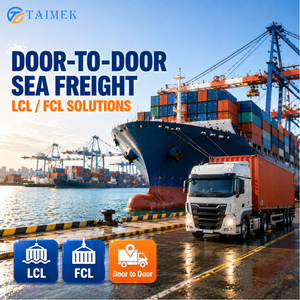
FCL Sea Freight From China to Spain with Delivery Support With Import Handling Shipping Agent
Get Catalog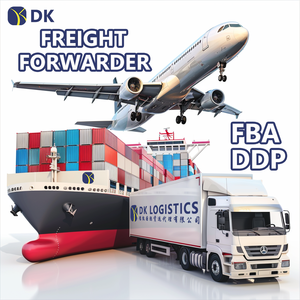
Ocean Sea Freight Shipping Agent From China To USA UK Czech Ghana Oman Dubai Italy UAE
Get Catalog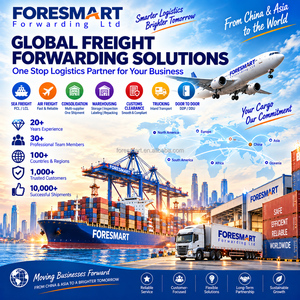
China Sea Shipping Agents Freight Forwarding Fcl Logistics Service Container Door to Door
Get Catalog
Professional Shipping Agent DDP Door To Door Logistics Services Freight Forwarder Air Sea Shipping From China
Get CatalogOEM/ODM Duty Compliance Factories & Factory Trade Architecture
An authoritative analysis of regulatory compliance, duty mitigation, and supply chain governance for enterprise importers and global procurement executives.
1. The Paradigm Shift in OEM/ODM Sourcing & Tariff Risk Infrastructure
In today's volatile macroeconomic environment, selecting an OEM (Original Equipment Manufacturer) or ODM (Original Design Manufacturer) involves far more than simply auditing factory floor square footage, production lines, or unit labor costs. Strategic procurement directors and enterprise importers face an increasingly stringent global regulatory framework characterized by complex geopolitical tariff structures, active Antidumping and Countervailing Duty (AD/CVD) enforcement, rigorous Importer Security Filing (ISF 10+2) mandates, and evolving Rules of Origin governance.
A truly duty-compliant OEM/ODM factory must operate as an integrated extension of your corporate legal and supply chain audit teams. Factory compliance no longer stops at environmental ISO certifications or labor standards; it extends directly to bill-of-materials (BOM) transparency, precise Harmonized Tariff Schedule (HTS) classification support, valuation audit readiness, and seamless synchronization with licensed NVOCCs and customs brokers.
AD/CVD Risk Mitigation
Antidumping and Countervailing Duties can elevate landed costs by up to 200%–500% if raw materials or sub-components originate from restricted secondary supply bases. Duty-compliant factories provide granular, audited origin documentation for every metal, chemical, or electronic component used in production.
HTS Engineering & Valuation
Proper product design allows for legitimate tariff engineering. By consulting compliance experts during the ODM phase, product features can be modified slightly to align with advantageous 10-digit HTS tariff subheadings without compromising product performance or quality.
The 4 Pillars of Factory-Level Duty Compliance
How top-tier OEM/ODM manufacturers safeguard cross-border shipments against border seizures, penalties, and unexpected duty surcharges.
1. Substantial Transformation
Ensuring that multi-country manufacturing operations execute legitimate substantial transformation, legally establishing true Country of Origin (COO) to satisfy customs authorities globally.
2. First Sale Valuation
Leveraging multi-tier transaction structures to declare customs entry value based on the first sale price between manufacturer and vendor, substantially lowering duty liability.
3. ISF 10+2 Precision
Transmitting exact factory-floor loading data, manufacturer identification numbers (MID), and container stuffing details 24 hours prior to foreign vessel loading to prevent liquidations.
4. C-TPAT Sealed Logistics
Partnering exclusively with C-TPAT certified logistics networks to guarantee high security standards, reducing physical customs inspection frequency at destination ports.
Future Sourcing & Global Procurement Trends (2025–2030)
The next decade of international manufacturing will be dominated by tariff transparency, nearshoring integration, and automated regulatory compliance.
Alt-Asia Supply Chain Clustering
Enterprise procurement is rapidly adopting the China+1 and Southeast Asia hybrid sourcing model. Duty compliance factories are establishing twin-facility operations across Vietnam, India, Bangladesh, and Cambodia. This enables flexible routing and production shifting depending on trade policy shifts and duty rate changes.
Real-Time Landed Cost Calculation
Legacy procurement calculated landed costs post-shipping. Modern OEM/ODM ecosystems integrate live freight tariffs, local drayage fees, current HTS duty tables, Section 301/232 extra duties, and port accessorial charges directly into the factory purchase order phase.
De Minimis & Section 321 Regulatory Reform
Global customs enforcement agencies are tightening oversight on low-value e-commerce import exemptions. Future-ready OEM/ODM manufacturing networks are shifting toward bulk ocean FCL delivery paired with bonded warehouse distribution to ensure full duty reporting compliance.
Why Global Buyers Partner with Our FMC-Licensed NVOCC Network
Operating since 1999 as a family-run, customer-centric logistics powerhouse, Airlift USA Inc. delivers end-to-end supply chain mastery. As a fully credentialed FMC-Licensed NVOCC, C-TPAT Certified enterprise, and IATA Certified agent, we bridge the critical gap between overseas OEM/ODM factory floors and US import destinations.
Unlike digital forwarders who lack local infrastructure, Airlift operates physical offices at both ends of the major global trade lanes. With dedicated corporate teams across the United States (Los Angeles, New Jersey), India (14 regional offices including Chennai, Mumbai, New Delhi), Vietnam (Ho Chi Minh City), Bangladesh (Dhaka), and Cambodia (Phnom Penh), we maintain complete operational control over your cargo, documentation, and duty compliance.
- Direct Carrier Contracts: Secure FCL ocean space and stable contract rates directly with major shipping alliances.
- In-House ISF & Customs Filing: Seamless Importer Security Filing (10+2) and customs entry coordination through licensed broker networks.
- Specialized AD/CVD Auditing: Comprehensive pre-shipment review of HTS codes to eliminate exposure to retroactive customs penalties.
- End-to-End Drayage & Trucking: Controlled container pickup within port free-time windows to prevent costly demurrage and detention charges.
Frequently Asked Questions: OEM Sourcing & Duty Compliance
Critical guidance for global sourcing managers, logistics directors, and compliance officers.
How does factory choice directly impact my total landed import duties?
Your factory choice determines the physical location of manufacturing, which legally sets the Country of Origin (COO). True origin dictates applicable HTS duty rates, preferential trade agreement eligibility (such as USMCA or GSP), and exposure to trade remedies like Section 301 tariffs or Antidumping/Countervailing Duties (AD/CVD).
What documentation is required to verify an OEM factory's duty compliance status?
Importers should audit the factory’s detailed Bill of Materials (BOM), raw material purchase invoices, mill test certificates, proof of processing equipment capability, and records showing substantial transformation. These documents are vital if customs authorities conduct a COO or valuation audit.
What is the difference between an FMC-Licensed NVOCC and a standard freight forwarder?
An FMC-licensed Non-Vessel Operating Common Carrier (NVOCC) issues its own House Bills of Lading, publishes public tariffs, and negotiates ocean space contracts directly with vessel operators. This delivers higher legal accountability, direct control over space allocation, and better rate stability compared to unlicensed freight intermediaries.
How does ISF (10+2) filing protect ocean freight from border holds?
US Customs requires 10 data elements from the importer and 2 from the carrier at least 24 hours prior to vessel loading at the foreign origin port. Timely, accurate ISF submission prevents automatic customs holds, physical container scans, and liquidated damages penalties of $5,000 per violation.
Can we legally optimize HTS classification before mass production starts?
Yes. Tariff engineering during the ODM product design stage allows engineering teams to alter non-critical product components or assembly steps. This can reclassify products under lower-duty HTS subheadings legally and safely before high-volume shipping begins.
How do DDP (Delivered Duty Paid) shipments function with OEM/ODM factories?
Under DDP terms, the seller/factory accepts responsibility for freight, insurance, export customs, import clearance, and duty payments. However, US Customs legally holds the ultimate Ultimate Consignee accountable for compliance, making expert freight auditing essential even under DDP terms.
What happens if our imported product is targeted by retroactive AD/CVD duties?
Customs entries targeted by AD/CVD orders can be reassessed up to several years after importation, requiring the importer to pay retroactive duties with interest. Partnering with a compliance-focused forwarder ensures pre-classification and component tracing prior to shipment creation.
How fast can a new OEM/ODM customer account be established for shipping?
Account setup and compliance profile verification take under 5 minutes. Once registered, enterprise buyers can immediately search live ocean freight rates, review vessel schedules, file ISFs, and track container shipments in real-time.
Optimize Your OEM/ODM Sourcing & Duty Compliance Today
Connect with our senior compliance officers and global freight specialists to audit your product HTS codes, review foreign factory origin status, and secure cost-effective ocean and air transport.
Get Catalog