
Global Temperature-Controlled & Container Shipping Catalog
Explore our FMC-certified ocean FCL/LCL, air freight, and door-to-door DDP cold chain logistics solutions engineered for pharma, perishable food, and high-value industrial manufacturing.


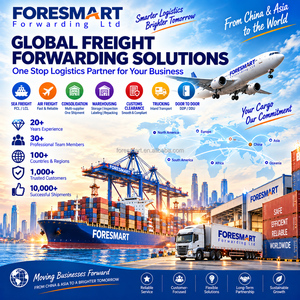

Why Procurement Leaders Trust Our OEM/ODM Cold Chain Network
Combining 25+ years of FMC-licensed NVOCC operations with custom engineered cold chain solutions, C-TPAT supply chain security, and proprietary IoT telematics.
FMC-Licensed NVOCC & C-TPAT Certified
Founded in 1999, we hold direct ocean carrier contracts, issue our own House Bills of Lading, and maintain C-TPAT certification for expedited US Customs processing without third-party friction.
Owned Global Offices in 5 Key Markets
We do not rely solely on external brokers. We operate dedicated offices across the USA (Los Angeles, New Jersey), India (14 regional offices including Mumbai & Delhi), Vietnam, Bangladesh, and Cambodia.
Full Cold Chain OEM/ODM Customization
From phase-change material (PCM) passive containers to active multi-zone reefer units and IoT smart monitoring telemetry, we design, manufacture, and export tailored thermal packaging systems.
Seamless DDP & In-House ISF Clearance
We eliminate supply chain bottlenecks with pre-arrival ISF (10+2) filings, HTS classification auditing, FDA/USDA partner agency clearance, and last-mile port container drayage.
Real-Time Telematics & Temp Alerts
Our centralized cloud platform delivers real-time visibility into temperature curves, humidity, shock, location, and demurrage risks, preventing cold chain excursions before they occur.
Transparent Landed Cost & Tariff Audit
Avoid unexpected accessorial charges. We audit past entries for Section 301/IEEPA duty recovery and deliver guaranteed all-inclusive DDP shipping quotes tailored to your budget.
Cold Chain Product & Reefer Equipment Comparison Matrix
Compare our engineered cold chain packaging systems and maritime temperature-controlled container capabilities designed for strict regulatory compliance.
| Equipment / Solution Type | Controlled Temp Range | Thermal Integrity / Hold Time | Compliance Standards | Ideal Industry Application |
|---|---|---|---|---|
| Active Dual-Zone Reefer Containers (20GP/40HQ) | -30°C to +30°C (±0.2°C precision) | Continuous power / Genset supported | ISO 1496-2, GDP Certified, ATO | Biopharmaceuticals, Vaccines, Frozen Seafood |
| Passive PCM Vacuum Insulation Panels (VIP) | -20°C, +2°C to +8°C, +15°C to +25°C | Up to 144 Hours (72h–144h) | ISTIA 7D, WHO PQS, FDA 21 CFR | Clinical Trials, Biologics, High-Value APIs |
| IoT Smart Telematics Reefer Units | Real-time multi-sensor monitoring | Cloud-synced 24/7 battery backup | C-TPAT, NIST Traceable, IP67 | Global Cross-Border Cold Chain Logistics |
| Cold Chain Air Freight Containers (RKN / RAP) | -20°C to +25°C active dry ice/compressor | 72h+ Flight & Tarmac Hold | IATA CEIV Pharma, FAA Approved | Time-Critical Bio-logistics & Organs |
| Controlled Atmosphere (CA) Reefers | Humidity: 60%-95% | O2/CO2 regulation | Voyage-long dynamic gas control | HACCP, USDA Organic Transport | Fresh Exotic Fruits, Produce, Cut Flowers |
Future Procurement & Technological Trends in OEM/ODM Cold Chain Manufacturing
As global regulatory bodies intensify scrutiny on pharmaceuticals, food safety, and environmental impact, procurement directors must adapt to modern cold chain demands. Below is an analytical breakdown of emerging trends transforming international temperature-controlled logistics.
1. Transition to Eco-Friendly Refrigerants & Zero-Emission Reefers
Global decarbonization mandates (such as the EU F-Gas Regulation and US AIM Act) are phasing out high-GWP hydrofluorocarbons (HFCs). Leading OEM/ODM manufacturers are pioneering natural refrigerants like R-744 (CO2) and R-290 (Propane), alongside electric solar-assisted Genset reefer systems, cutting carbon footprints by up to 60% during maritime and intermodal transit.
2. Autonomous IoT Telematics & Predictive Thermal Modeling
Static data loggers are quickly becoming obsolete. Next-generation cold chain procurement prioritizes active IoT sensors integrated with AI algorithms. These systems continuously monitor temperature, humidity, door openings, and ambient atmospheric pressure—predicting thermal degradation hours before an excursion occurs and dynamically adjusting cooling output.
3. High-Density Phase Change Materials (PCM) & Vacuum Insulation
To reduce shipping volume and overall payload weight in air and ocean freight, OEM/ODM suppliers are embedding advanced Vacuum Insulation Panels (VIP) with engineered PCMs. This technology maintains critical temperature windows (such as +2°C to +8°C or deep frozen -20°C) for over 120 hours without external power, drastically lowering LCL freight costs.
4. Regulatory Standardization: GDP & FDA 21 CFR Part 11 Compliance
Importers facing strict regulatory enforcement from the US FDA, EMA, and Health Canada demand end-to-end audit trails. Modern OEM/ODM cold chain solutions feature immutable digital logging systems compliant with FDA 21 CFR Part 11, ensuring unbroken thermal documentation from origin factories in Asia to final US warehouse distribution centers.
Strategic Procurement Best Practices for International Cold Chain Logistics
When sourcing OEM/ODM cold chain equipment or engaging a specialized freight forwarder for temperature-sensitive cargo, purchasing teams must evaluate more than base freight rates. A complete total cost of ownership (TCO) evaluation requires analyzing thermal redundancy, risk mitigation protocols, customs brokerage efficiency, and accessorial charge management.
By leveraging an FMC-licensed NVOCC that controls both manufacturing/packaging customization and maritime space allocation, enterprises eliminate communication gaps between equipment suppliers and shipping lines. This dual integration safeguards product integrity while protecting against costly demurrage, detention, and regulatory rejections at US ports of entry.
Frequently Asked Questions (FAQ) – Cold Chain Procurement & Logistics
Explore expert technical responses to common operational, regulatory, and logistics queries regarding OEM/ODM cold chain manufacturing and international shipping.
What distinguishes an OEM/ODM Cold Chain Supplier from a traditional freight forwarder?
How do you ensure unbroken cold chain integrity during ocean FCL shipping from Asia to the US?
What documents are mandatory for importing pharmaceutical or food products into the United States under DDP?
Can active reefer temperature logs be monitored in real time during sea transit?
What is the cost difference between FCL reefer shipping and LCL thermal container consolidation?
How does C-TPAT certification benefit cold chain importers?
What custom OEM/ODM packaging options are available for temperature-sensitive biologics?
How do you prevent port demurrage and detention fees on reefer containers?
Ready to Optimize Your Global Cold Chain Procurement?
Speak directly with our cold chain engineers and FMC-licensed logistics specialists. Get an immediate total landed cost quote, custom OEM/ODM packaging evaluation, or trade lane feasibility assessment.