
Featured China Freight Brokerage & Shipping Solutions
Explore our top-tier freight forwarding services tailored for global importers, featuring ocean FCL/LCL, fast boat routes, DDP door-to-door delivery, and comprehensive customs handling.
Best Price Freight Forwarder Fast Boat Sea FCL LCL Shipping Agent From China to Australia/Canada
Top 10 Freight Forwarder China To Usa Uk Spain Ddp Shipping Agent Logistics Services Sea Air Freight Agente De Compras
China Agent Offers Door-to-Door FCL Container Delivery Duty Paid to Samoa Papua New Guinea Marshall Islands Micronesia
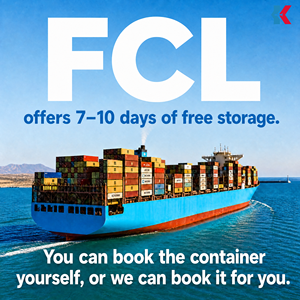
20GP 40HQ 40GP Container FCL Sea Freight Shipping Agent Port to Port Ocean Freight Forwarder International Logistics Service
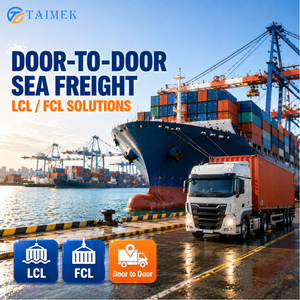
FCL Sea Freight From China to Spain with Delivery Support With Import Handling Shipping Agent
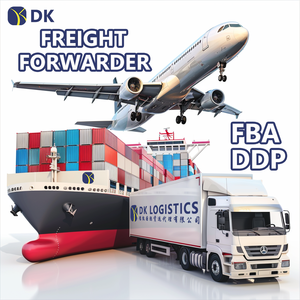
Ocean Sea Freight Shipping Agent From China To USA UK Czech Ghana Oman Dubai Italy UAE
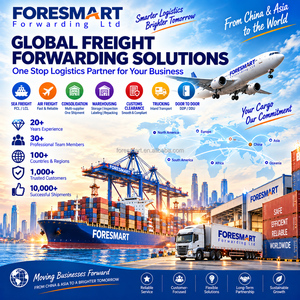
China Sea Shipping Agents Freight Forwarding Fcl Logistics Service Container Door to Door

Professional Shipping Agent DDP Door To Door Logistics Services Freight Forwarder Air Sea Shipping From China
Why Partner with a Premier FMC-Licensed Shipping Broker
With decades of operational excellence, direct carrier allocations, and strict regulatory compliance, we bridge Asian manufacturing hubs with global commercial centers.
FMC-Licensed NVOCC & C-TPAT Certified
As a fully bonded FMC-licensed NVOCC and C-TPAT certified logistics operator, we issue our own House Bills of Lading (HBL), negotiate direct ocean carrier contracts, and guarantee secure, expedited US Customs clearance with reduced inspection risk.
End-to-End Origin & Destination Control
Unlike simple middlemen, we operate dedicated teams across strategic gateways including Los Angeles, New Jersey, Ho Chi Minh City, Dhaka, Phnom Penh, and 14 major hubs in India. We manage cargo seamlessly from factory gate pickup to last-mile drayage.
Customs & Duty Compliance Auditing
Our in-house compliance specialists oversee ISF (10+2) filings, precise HTS code classifications, and AD/CVD tariff risk management. We assist importers in auditing past entries to claim duty refunds under IEEPA and Section 301 provisions.
1. Defining the Value Matrix: China Shipping Broker vs. Traditional Freight Forwarder
In the evolving landscape of international trade, selecting a qualified China shipping broker supplier is no longer merely an operational line-item—it is a cornerstone of corporate risk management and landed-cost optimization. Importers often navigate a complex matrix of logistics intermediaries, ranging from digital aggregators to non-vessel-operating common carriers (NVOCCs).
A true strategic shipping broker does not simply resell freight space. They operate as an architect of the supply chain, leveraging deep ocean carrier relationships (Vessel Sharing Agreements such as 2M, Ocean Alliance, and THE Alliance), regulatory licenses (FMC, IATA, C-TPAT), and automated Customs Border Protection (CBP) interfaces to shield cargo owners from costly supply chain disruptions.
Strategic Information Gain Insight: Selecting an FMC-licensed shipping broker that maintains direct Service Contracts (SC) with ocean lines enables B2B buyers to circumvent spot-market volatility. Furthermore, having an origin presence in China combined with licensed US customs brokers dramatically mitigates demurrage and detention exposure at gateway terminals such as Los Angeles/Long Beach, NY/NJ, and Savannah.
Technical Comparison: Logistics Partner Operating Models
| Evaluation Criteria | FMC-Licensed NVOCC Broker | Traditional Freight Forwarder | 3PL Digital Freight Aggregator |
|---|---|---|---|
| Bill of Lading Authority | Issues own legally binding House Bill of Lading (HBL) | Acts strictly as an agent for master ocean lines | Third-party digital matchmaker (no HBL authority) |
| Customs Compliance (ISF 10+2) | In-house automated CBP transmission prior to loading | Subcontracted to external customs brokers | Automated upload (manual oversight limited) |
| Space Allocation in Peak Season | Guaranteed under direct carrier Service Contracts | Subject to carrier blank sailings & rollovers | Highly vulnerable to spot market space shortages |
| Tariff Auditing & AD/CVD Mitigation | Comprehensive HTS audit & IEEPA refund tracking | Basic customs documentation standard | None (focuses strictly on booking interface) |
2. Future Procurement Trends in China Shipping & Global Freight Sourcing (2026–2030)
As global supply chains shift toward supply chain resilience and multi-country sourcing models ("China + 1"), procurement executives must adjust their logistics sourcing strategies. Analyzing trade data and regulatory mandates reveals four structural shifts defining the future of China shipping broker procurement:
Algorithmic Tariff & Duty Minimization
With Section 301 tariffs, antidumping (AD), and countervailing duties (CVD) scrutinizing Chinese imports, future procurement favors brokers utilizing AI-driven HTS classification engines to identify legitimate lower-duty subheadings and utilize bonded fulfillment centers.
Automated ISF (10+2) Real-Time Validation
US Customs enforces strict $5,000 penalties for late or inaccurate Importer Security Filings. Modern shipping suppliers now integrate ERP data streams directly with CBP, validating manufacturer IDs and HTS numbers 48 hours prior to vessel departure.
Integrated Drayage & Last-Mile Demurrage Shields
Port congestion and container dwell charges represent substantial unseen procurement expenses. Advanced shipping brokers now bundle ocean freight directly with port drayage, securing guaranteed container retrieval within free-time windows.
Predictive Exception & Milestone Tracking
Legacy tracking numbers are being replaced by direct carrier API integrations, AIS vessel satellite tracking, and IoT sensor monitoring that alert supply chain managers to weather delays, port skips, or transshipment holds well before impact.
3. Industry Development Trends: Maritime Logistics & Technology Synergies
The global shipping brokerage sector is undergoing rapid technological convergence. As ocean liners transition toward carbon neutrality mandates (such as the EU Emissions Trading System and IMO 2030 decarbonization goals), shipping suppliers in China are expanding their service capabilities:
A. Seamless Multimodal Hub Integration
China's key shipping hubs—ranging from Shanghai (Yanshan), Ningbo-Zhoushan, and Shenzhen (Yantian/Chiwan) to Guangzhou (Nansha)—now interface directly with feeder networks across Southeast Asia. Leading shipping brokers coordinate multimodal sea-air-land solutions that bypass congested gateways, allowing cargo originating in inland Chinese provinces to move on unified multimodal bills of lading.
B. End-to-End DDP (Delivered Duty Paid) Transparency
E-commerce expansion and direct-to-enterprise supply chains have fueled massive demand for comprehensive DDP shipping solutions. A certified China shipping agent manages every leg: origin export documentation, ocean container consolidation (LCL), destination customs clearance, duty payment processing, and final delivery to Amazon FBA or private distribution centers— eliminating hidden fees for the buyer.
Frequently Asked Questions for Sourcing Directors
Get authoritative answers regarding international shipping broker services, regulatory compliance, Incoterms, and landed cost optimization.
1. What is the precise role of a China Shipping Broker Supplier in international trade?
2. How does an FMC License protect US importers shipping goods from China?
3. What is the critical threshold to choose between LCL and FCL shipping from China?
4. What documents are required for seamless US Customs Clearance from China?
5. How can importers avoid severe demurrage and detention charges at destination ports?
6. What is the difference between DDP and FOB Incoterms when buying from China?
Optimize Your China Freight Logistics Today
Partner with an FMC-licensed NVOCC and trusted shipping broker. Contact our global trade specialists for customized rate comparisons, route optimization, and instant customs compliance reviews.